


In a landmark ruling, Tesla was ordered by a jury in Florida to pay a total of 329 million US dollars in damages. The case concerns an accident in 2019 in which a Tesla Model S ran a stop sign with Autopilot activated and hit a parked SUV. A 22-year-old woman was killed and her partner was seriously injured. The jury held Tesla 33 percent responsible for the accident and awarded the surviving family members both substantial damages and a punitive payment. This is the first verdict of this magnitude in a federal court to hold Tesla directly liable for a fatal Autopilot accident.
Background and reasons for the judgment
Tesla emphasizes that Autopilot is merely a driver assistance system that requires constant attention. It is explicitly not an autonomous driving function. However, according to the plaintiffs, this distinction was deliberately blurred in practice. The accident occurred in April 2019 in Key Largo, Florida. The driver of the Model S, George McGee, was distracted when the vehicle ran a stop sign without braking and hit a parked SUV, despite Autopilot being activated. The driver, 22-year-old Riley Nealy, died at the scene and her partner was critically injured.
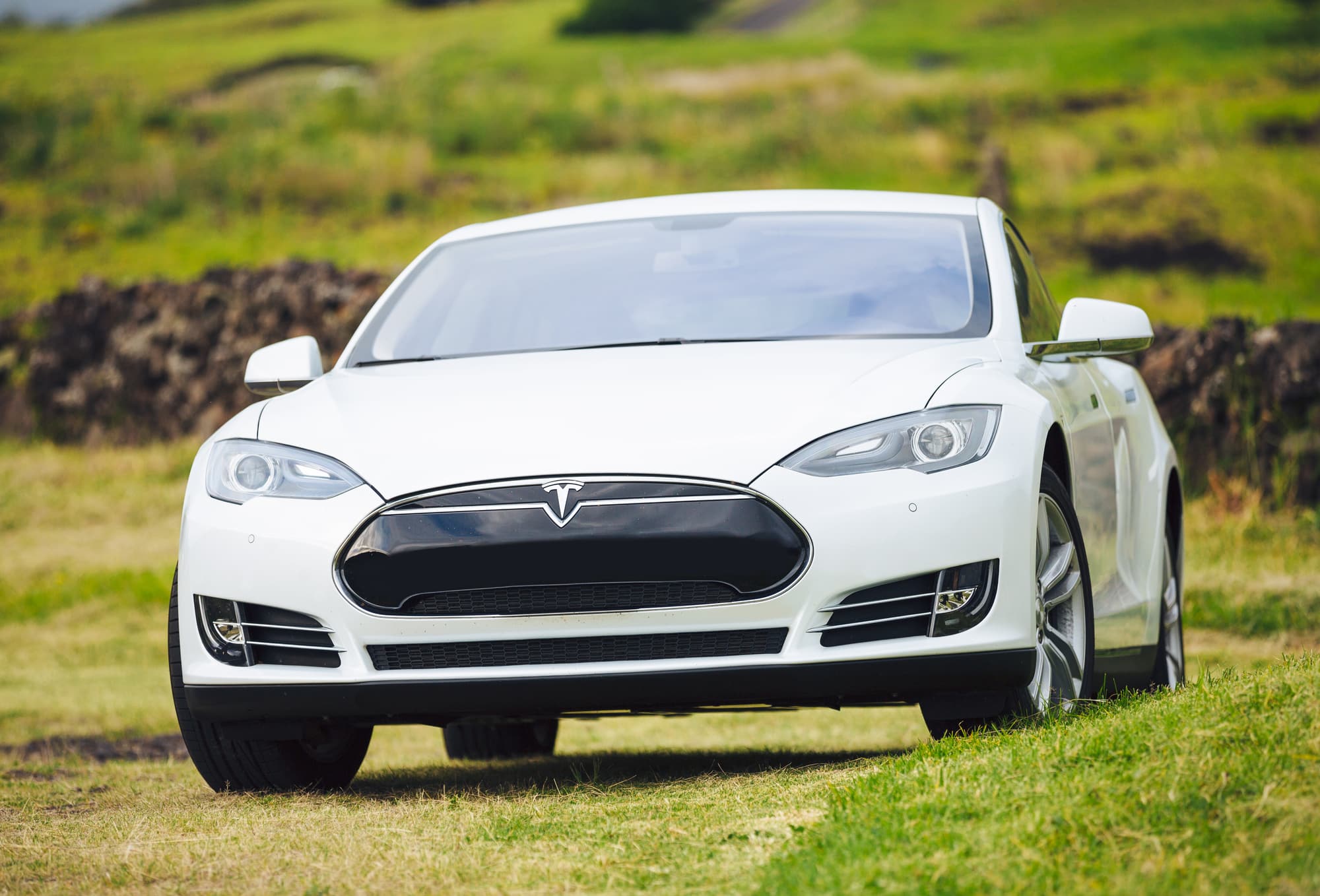
The core of the charge was the accusation that Tesla had not taken sufficient measures to prevent the use of Autopilot on unsuitable roads. This is despite the fact that the system was demonstrably designed for use on freeways. The plaintiffs’ lawyer, Brett Schreiber, accused Tesla of having made a conscious business decision not to implement these technical restrictions. In doing so, the company accepted that users could use the system incorrectly for economic reasons.
The court partially followed this argument and came to the conclusion that Tesla bore 33 percent of the responsibility. In total, damages of 129 million US dollars were awarded, of which Tesla must pay around 42.6 million dollars in accordance with its share of responsibility. In addition, punitive damages of 200 million US dollars were imposed, which are due regardless of the percentage of fault. This sends a clear message from the jury, which accused Tesla of “reckless disregard for human life”.
Significance for technology, users and the law
The verdict marks a turning point in the handling of semi-automated driving functions. For the first time, Tesla is being held directly responsible, although the company has always emphasized that the drivers themselves remain responsible. Experts see the ruling as a signal that courts will pay more attention to the actual use and marketing of such systems in future. This is particularly true if their communication leads consumers to make false assumptions about safety. The ruling also has an economic impact.
Tesla shares reacted slightly negatively, not least because the case could be a model for further lawsuits. The company has already announced that it will appeal. It warns that such rulings could hinder the further development of safety technologies and slow down the introduction of innovative assistance systems. Nevertheless, the question arises as to how manufacturers will have to design and communicate their systems in future. The ruling will undoubtedly influence future product developments and regulatory approaches.
Conclusion
The jury’s decision sends a clear signal to manufacturers of semi-autonomous vehicles: those who offer systems that can be used beyond their actual capabilities share responsibility for the consequences. Tesla was ordered to pay a total of 329 million US dollars, of which around 242.6 million dollars are effectively to be borne by the company. Tesla has announced its intention to appeal – but the ruling could already go down as a precedent in the history of autonomous driving.


