


35°C in the shade, the motorhome has been standing in the blazing sun for hours – anyone who has ever camped in the heat knows that without air conditioning, a relaxing trip can quickly turn into torture. Traditional stationary air conditioning systems are expensive, complex to install and require a power socket. Mobile solutions such as the EcoFlow WAVE 3 promise a remedy: set up, connect, cool – without drilling or an installer. With 6,100 BTU cooling capacity, 6,800 BTU heating power and an optional 1,024 Wh battery, it is designed to run independently for up to 8 hours. New features such as dehumidification and pet protection are also included. Our test shows where the mobile air conditioner scores and where it has its limits.
EcoFlow Wave 3: Technical specifications in detail
| Cooling capacity | 6,100 BTU (1,800 W) / 690W power consumption |
| Heating capacity | 6,800 BTU (2,000 W) / 645W power consumption |
| Air flow | 330 m³/h (increase of 40 m³/h compared to predecessor) |
| Refrigerant | R290 (propane, GWP value: 3) |
| Temperature range | 16-30°C adjustable, ±1°C accuracy |
| Operating modes | Eco, Max, Sleep, Auto, Dehumidification, Pet mode |
| Dimensions | 519 × 297 × 336 mm |
| Weight | 9.7 kg (main unit), 15.6 kg (with battery) |
| LFP battery | 1,024 Wh, 4,000 cycles, IP65 protection |
| Operating time | 8h (Eco), 2-3h (Max), depending on temperature |
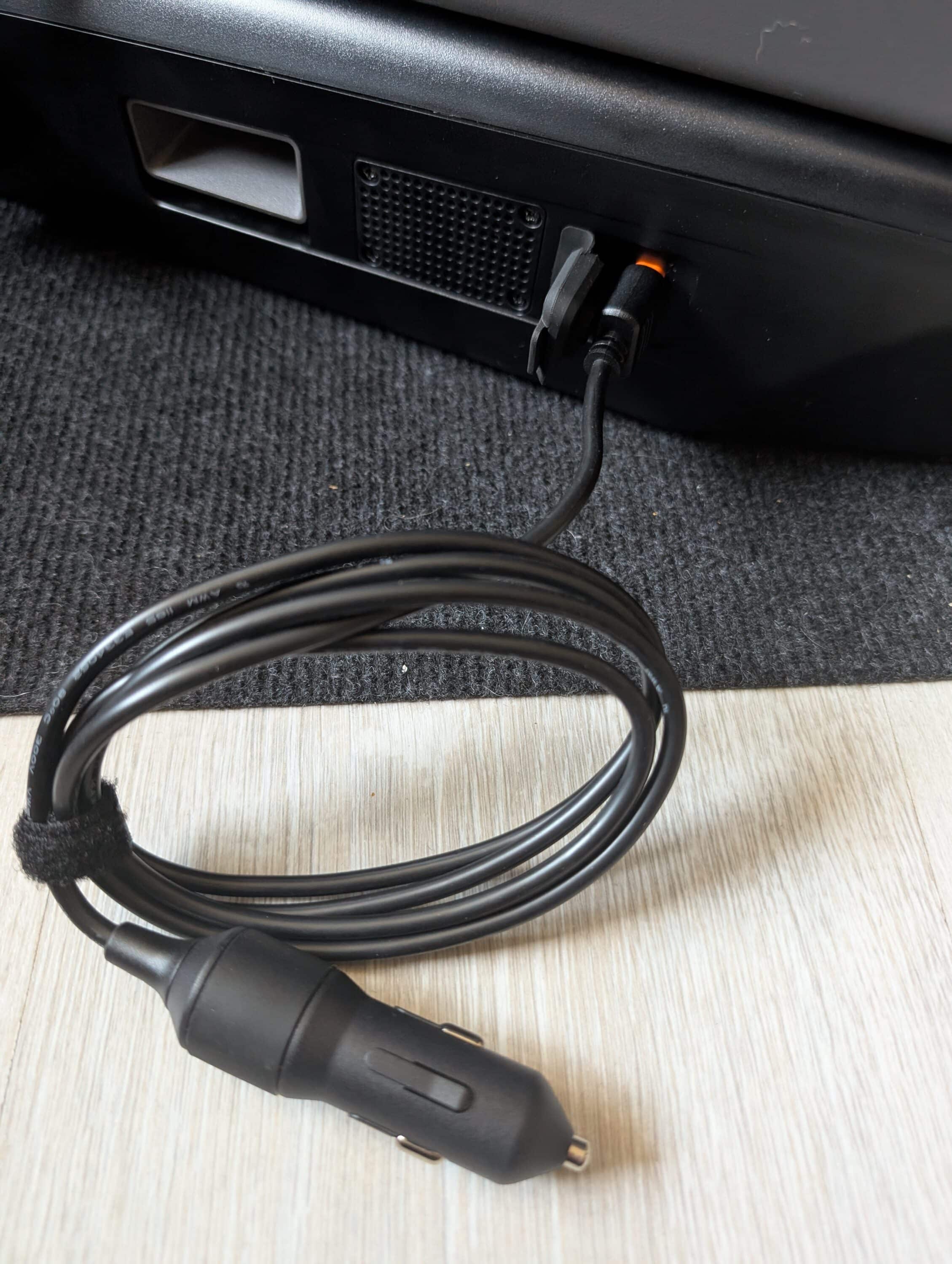
| Charging options | AC 700W, solar 400W, DC 200W, combined 1,000W |
| Noise level | 44 dB (Sleep), 50-58 dB (Normal/Max) |
| Protection class | IPX4 (main unit), IP65 (battery) |
| Price | € 799.00 * (without battery), € 1,399.00 * (complete set) |
Scope of delivery: Well thought-out, but without battery in the basic version
Opening the box makes a positive impression: The individual parts remain in place in well thought-out cardboard grids and do not require any additional plastic packaging.

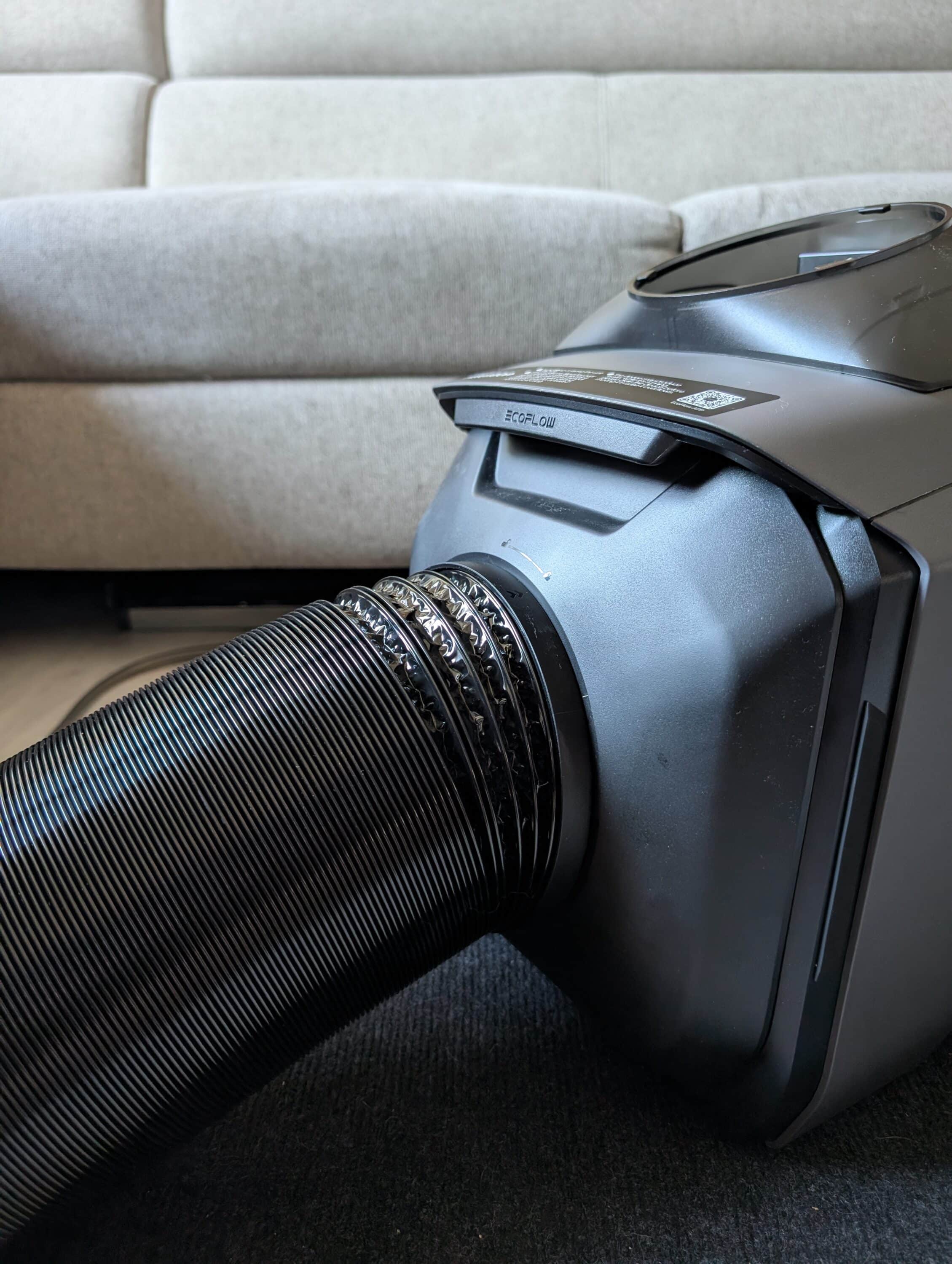
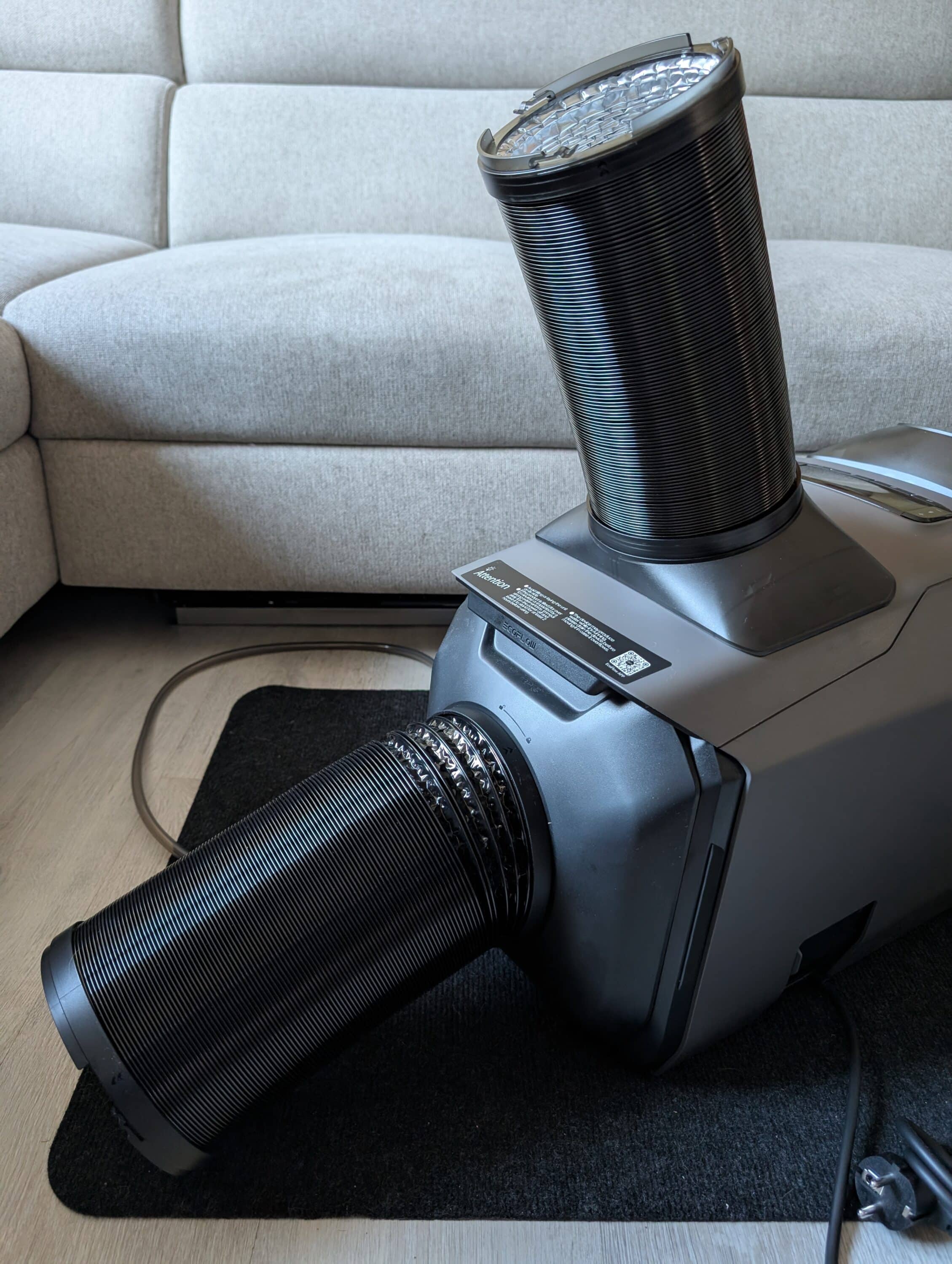
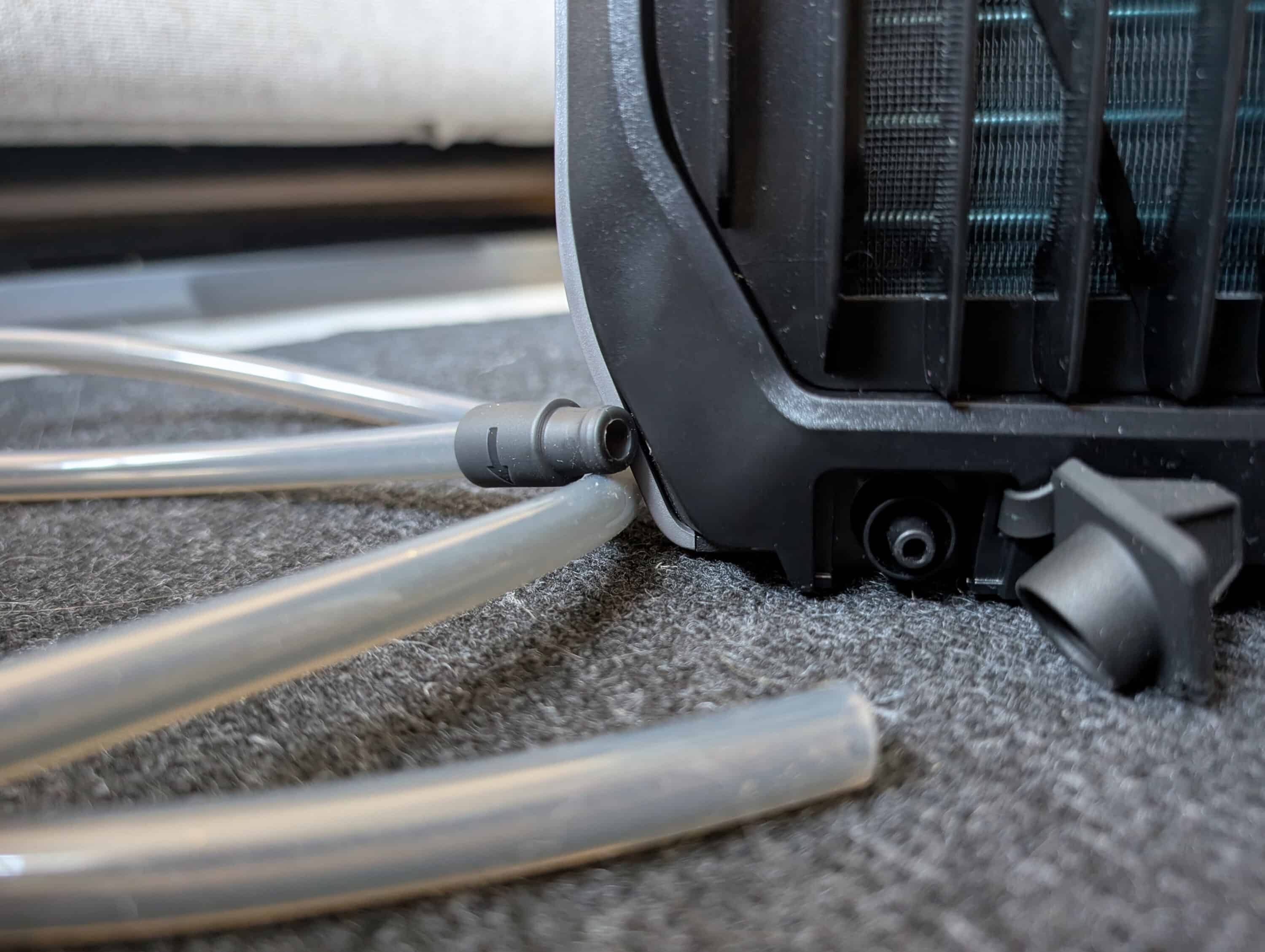
The box contains the main unit (9.7 kg), two insulated air pipes (can be flexibly extended from 25 to 150 cm), various connection adapters for the air pipes, a drain hose for the condensation water, stickers, a cable holder and the instructions.

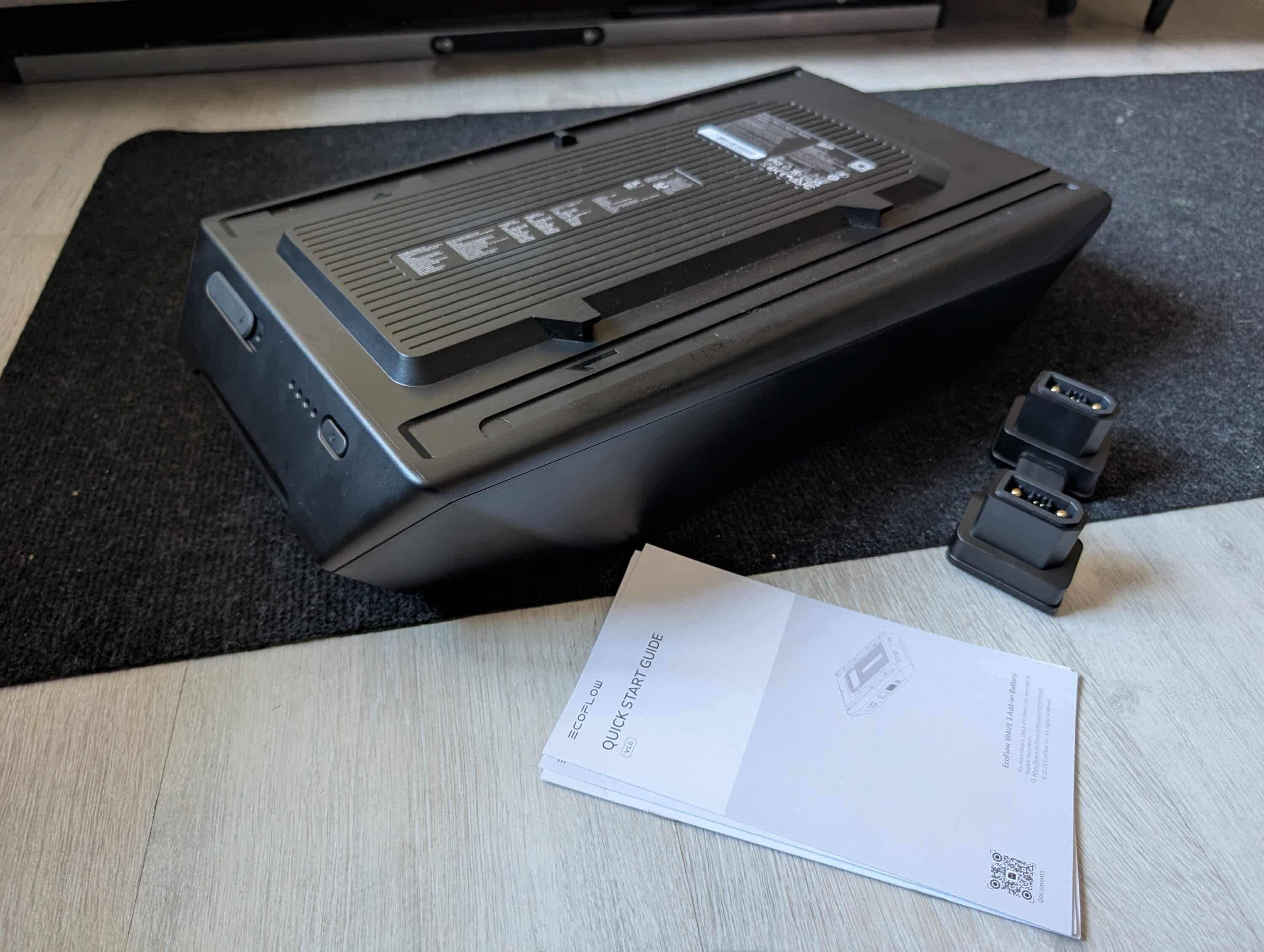
The 1,024 Wh battery is sold separately and weighs a further 6 kg – making a total of 15.6 kg. It is practically indispensable for real mobility, without it you are tied to a socket or power station.
Workmanship: High quality with minor weaknesses
The quality of the components is largely impressive. The flexible air tubes are thickly insulated and can be pulled out like an accordion, while the various adapters allow flexible mounting. The housing is made of thick ABS plastic with clean gaps and the electronics make a high-quality impression. Practical details such as the cable holder on the side show that EcoFlow has also thought of the little things – the power cable can be neatly stowed away.
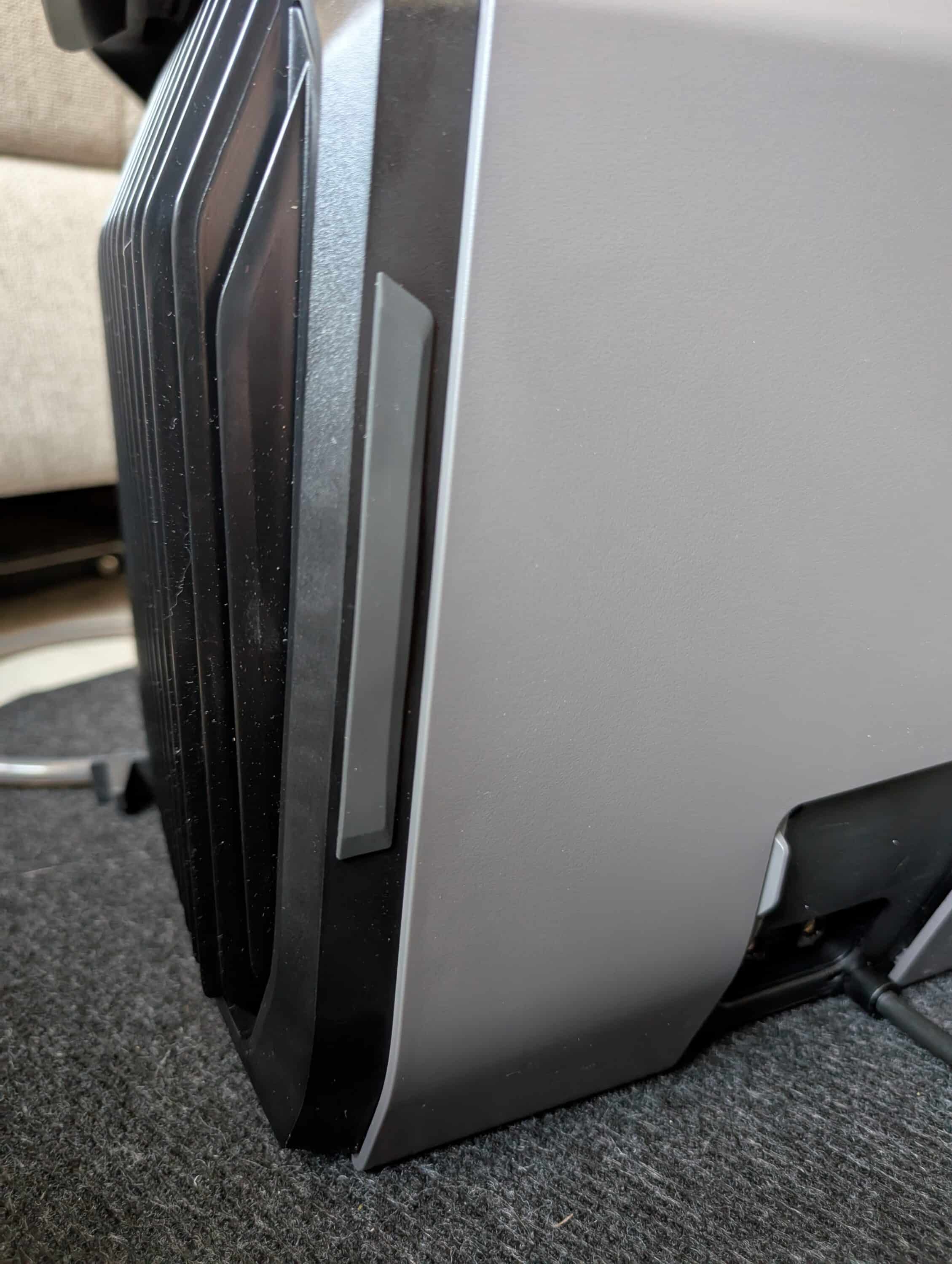
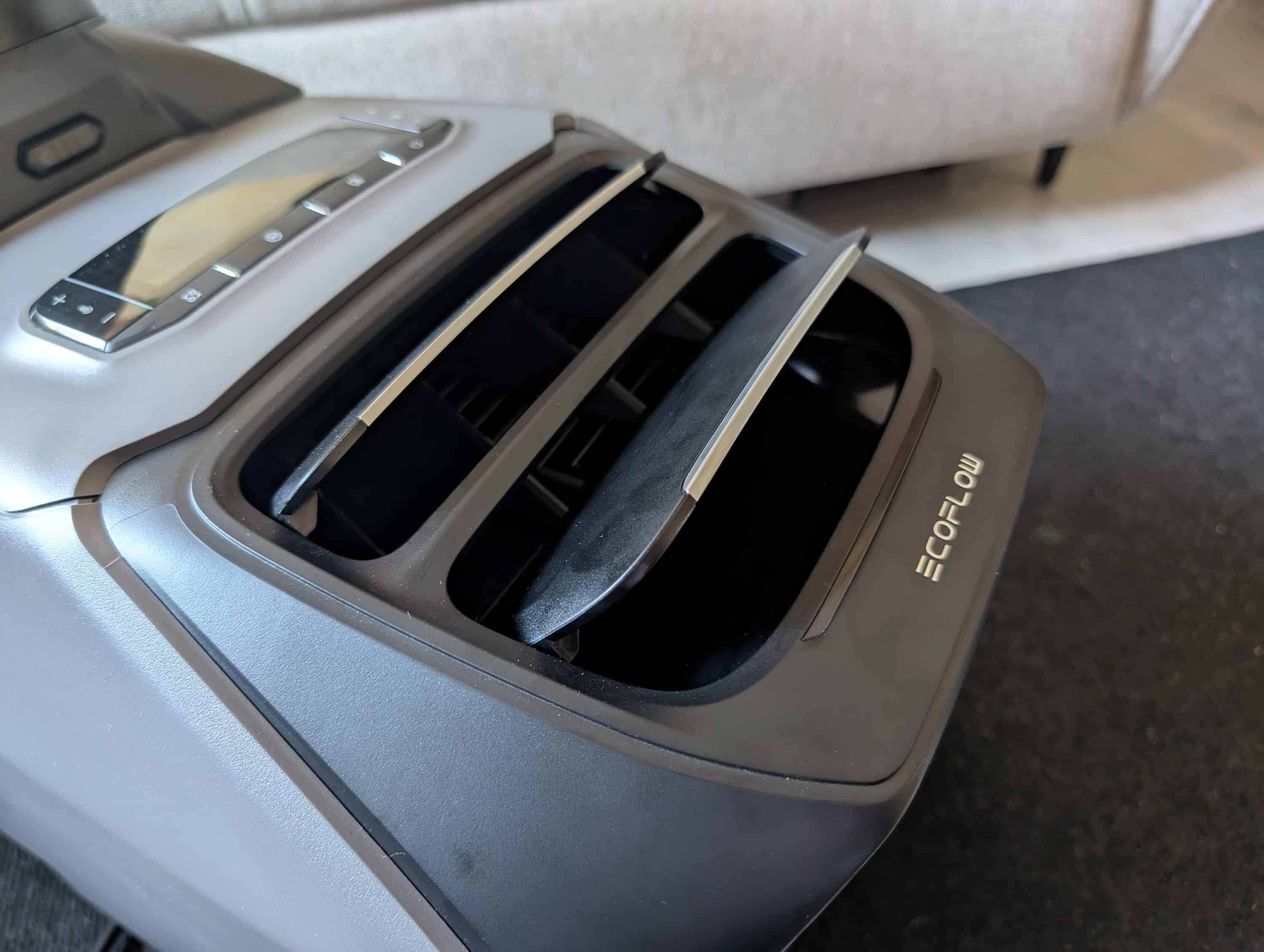
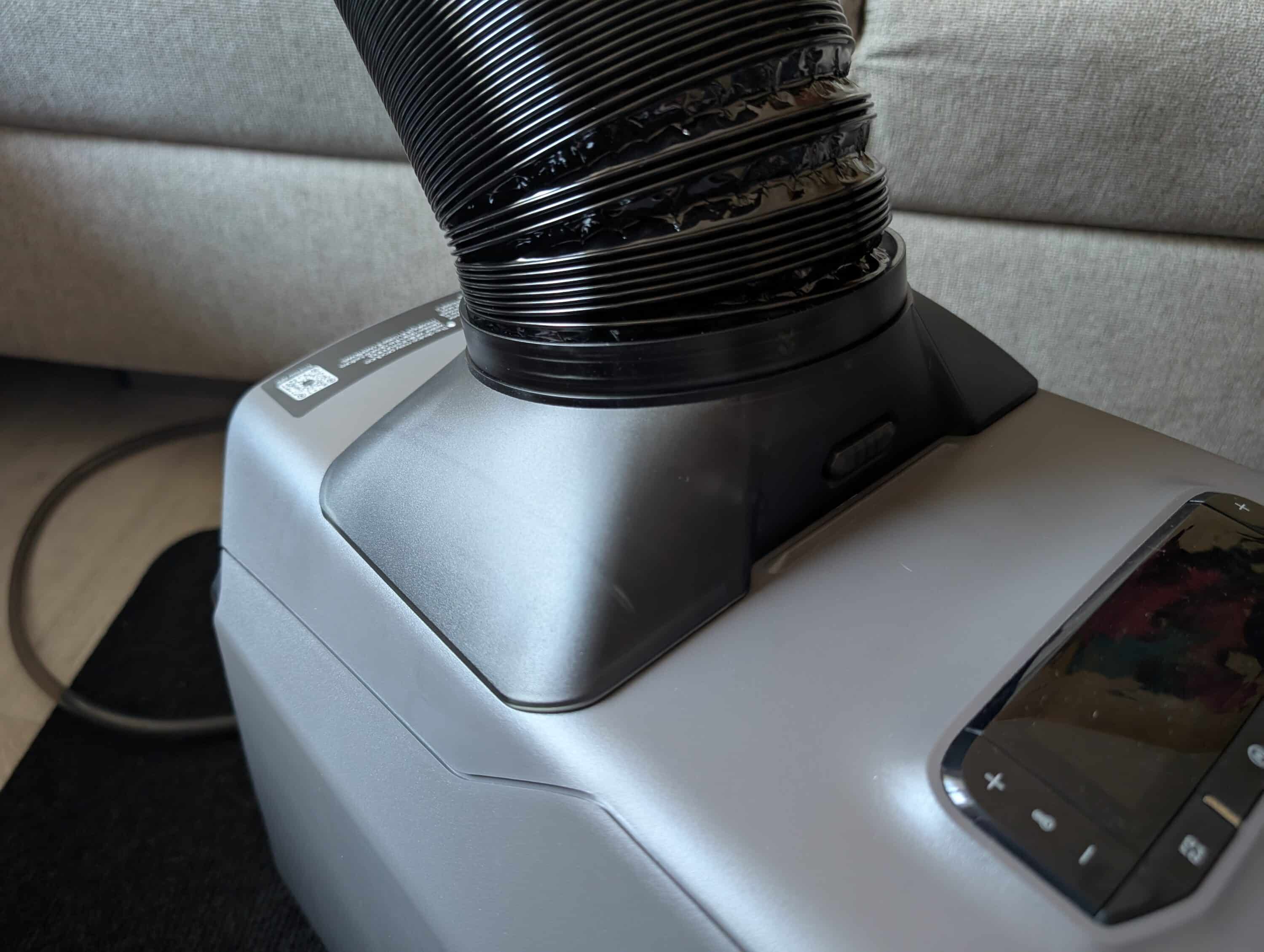
Most of the connections snap into place properly, only the front cover is a little looser – but this is not a major problem. EcoFlow offers a 2-year warranty on the main unit and a 1-year warranty on the battery.
The weak points are the hose connections as wearing parts – the adapters can suffer from frequent assembly and disassembly. As usual with mobile air conditioners, you need to take your own initiative to seal the windows.
Technology: Environmentally friendly and durable
EcoFlow relies on two pioneering technologies for the WAVE 3: The environmentally friendly R290 refrigerant (propane) replaces the usual R32 and reduces the Global Warming Potential from 675 to just 3. The inverter compressor modulates the output continuously instead of in typical on-off cycles – this saves energy and reduces wear and tear. Ready for operation from -10°C to 50°C, the system covers all camping scenarios.
For the battery, EcoFlow switches from NCM to LFP technology (lithium iron phosphate). The result: 4,000 instead of 800 charging cycles, better heat resistance and no use of rare earths such as cobalt. However, the price for this is reflected in the weight: the 1,024 Wh battery weighs 6 kg instead of 4 kg with NCM technology.
The integrated USB-A (18W) and USB-C (140W) ports are practical – the battery functions as a stand-alone power bank. IP65 protection and intelligent battery management with automatic shutdown at critical values round off the package.
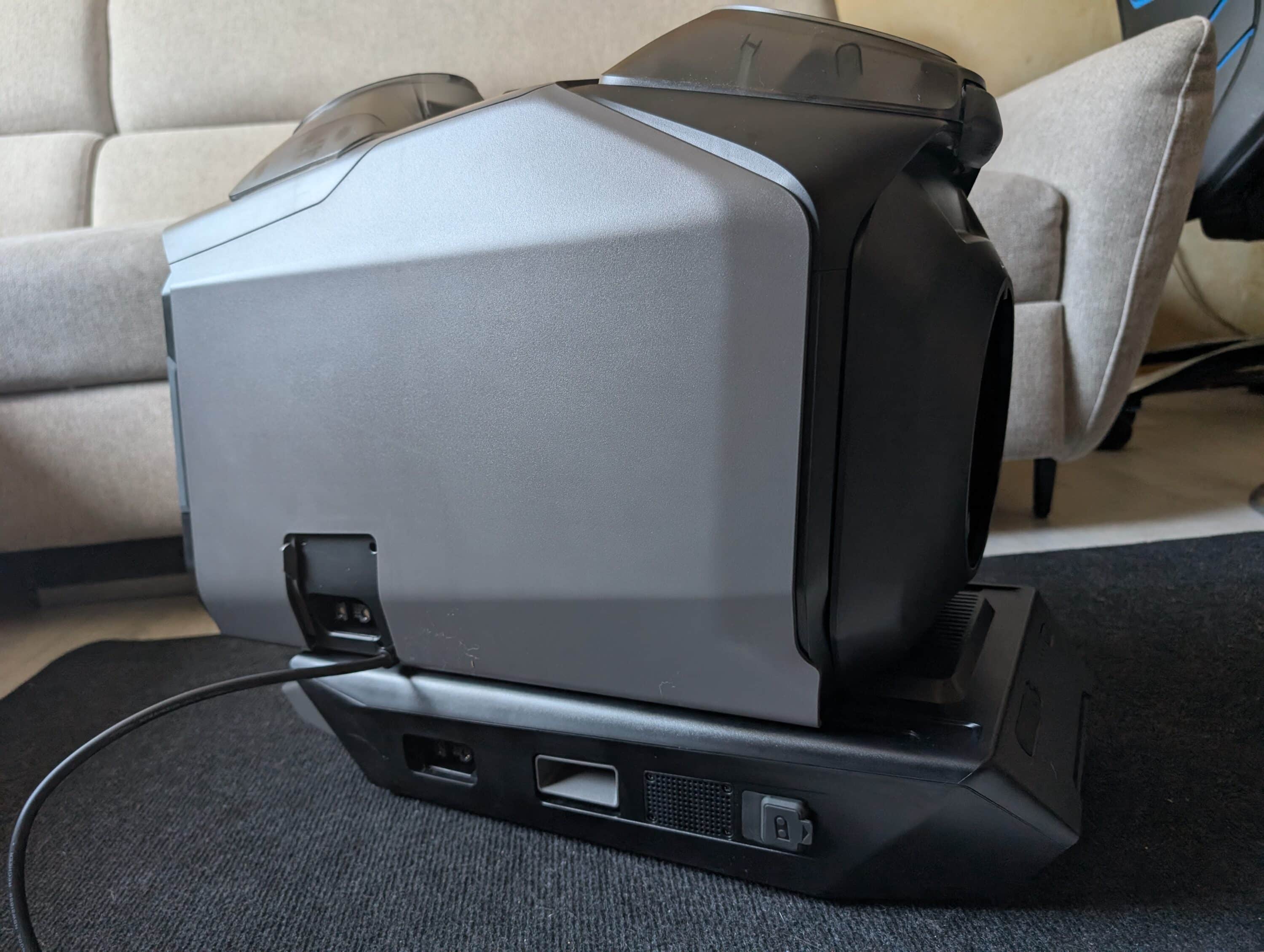
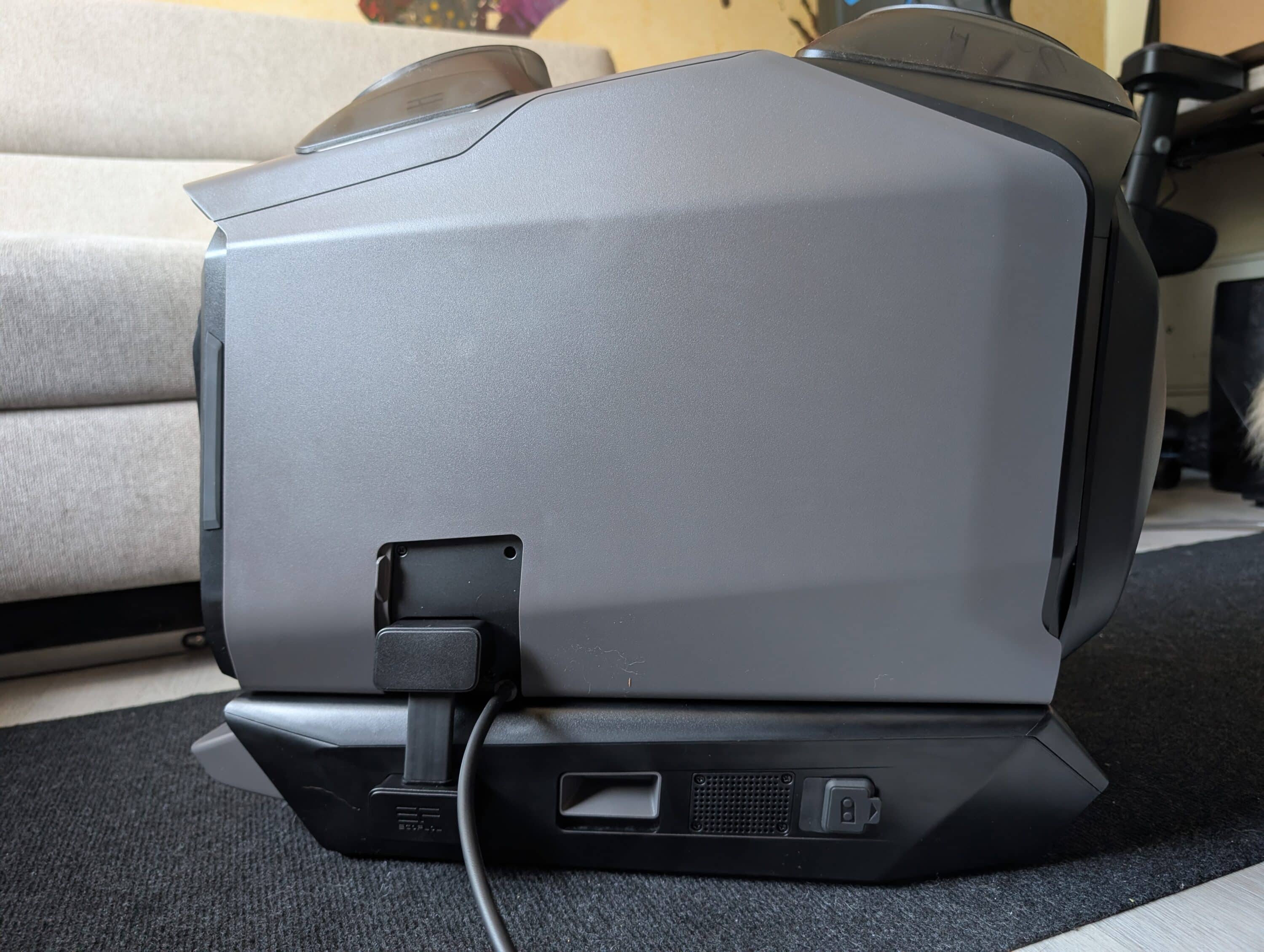
Charging options: As flexible as a power station
The Wave 3 can be charged via various sources – practical for any use:
- It draws up to 700W from the socket or power station and is fully charged again in 75 minutes.
- Solar charging via XT60 works with up to 400W – in good weather it takes 2-4 hours, and longer in cloudy weather.
- While driving, the on-board network recharges with 200W. Not blazingly fast, but an hour’s ride can provide 1-2 hours of cooling.
- Combined charging is really clever: AC and solar simultaneously provide up to 1,000W – the battery is then fully charged again in a record time of 75 minutes.
- If you want it even faster, you need EcoFlow’s Alternator Charger. This taps directly into the alternator and delivers up to 800W. This turns every journey into a quick-charging station for the air conditioning system.
The battery management system always shows how long the battery will last and how warm it is getting. If it becomes critical, the system switches off automatically – better than a broken battery.
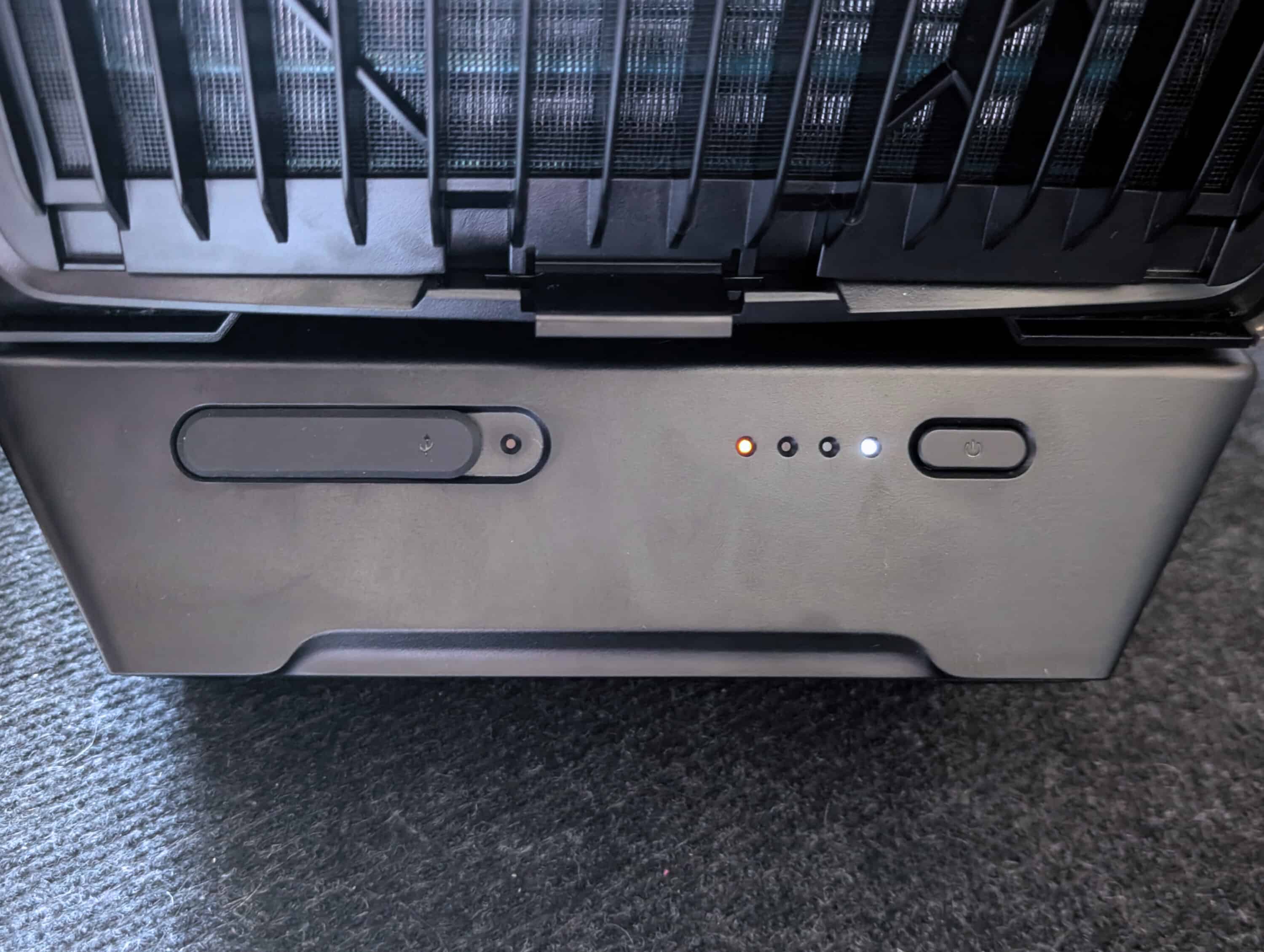
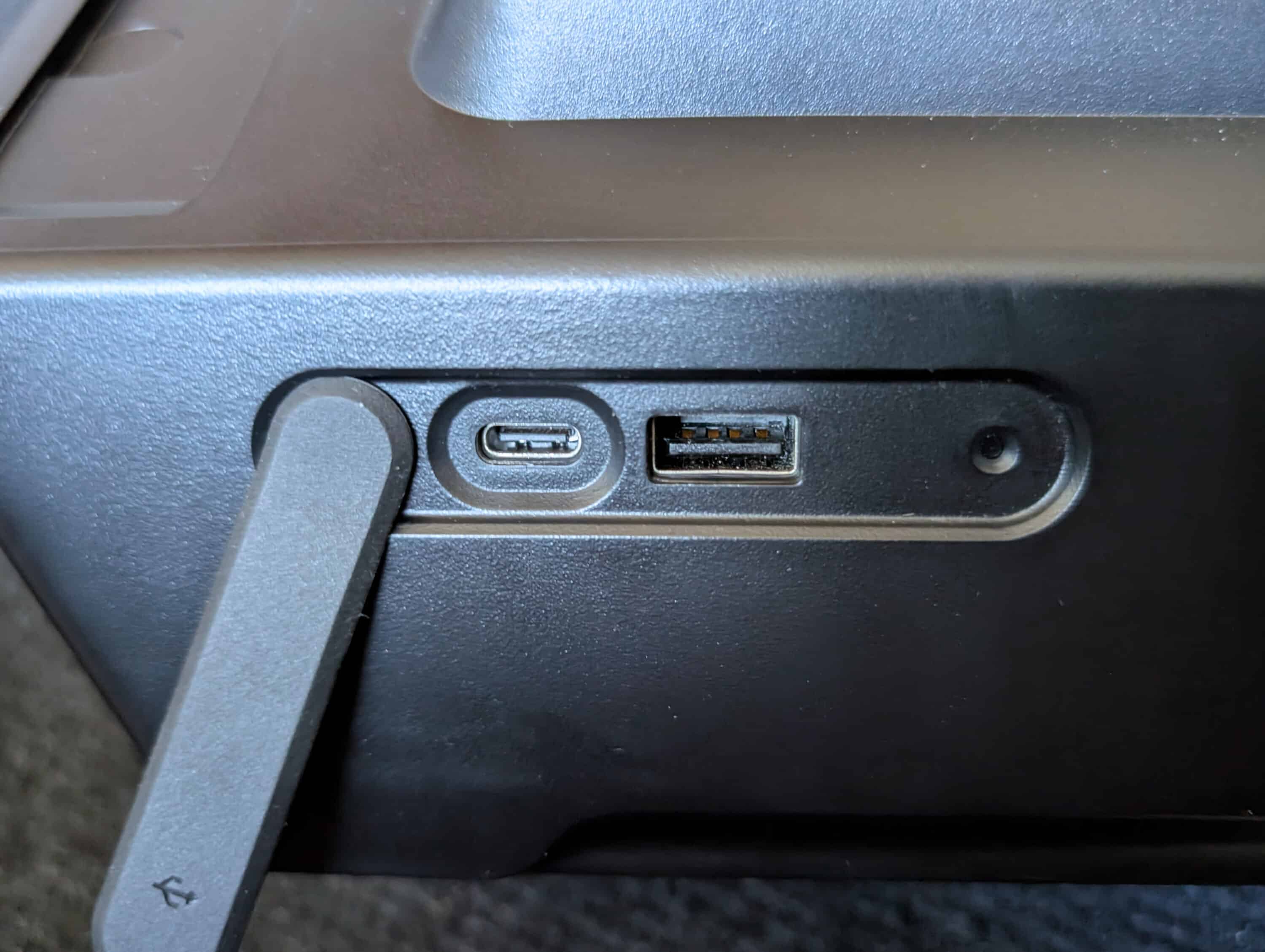
Volume and installation: the decisive compromise
The advertised 44 dB in sleep mode is theoretical. In practice, the Wave 3 operates at 50-58 dB – clearly audible, but not annoying. The compressor runs smoothly without annoying start-up noises, but this volume determines the installation.
The simplest solution is to place the appliance indoors with the exhaust air pipe through the window – this works immediately, but means full volume in the living area. It is quieter with an outdoor installation and only the supply air pipe inside. The compromise for most people: appliance in the kitchen area, supply air pipe in the bedroom.
The 1.5 m pipes supplied limit the flexibility. Longer pipes help, but reduce efficiency through heat loss. For window sealing, you have to get creative yourself.
Operating modes: 6 programs for different applications
The WAVE 3 works with 6 predefined modes, which weight performance, volume and power consumption differently. The system thus adapts the compressor speed, fan speed and control behavior to the respective requirements:
- Eco mode with reduced power for 8 hours running time, works quietly and economically
- Max mode delivers full power for fast cooling, but consumes a lot of power with only 2-3 hours running time
- Sleep mode reduces the volume to 44 dB, but only minimal cooling power for sensitive sleepers
- Auto mode automatically switches between heating and cooling depending on the set target temperature
- Pet mode starts automatically from a set temperature and sends app notifications
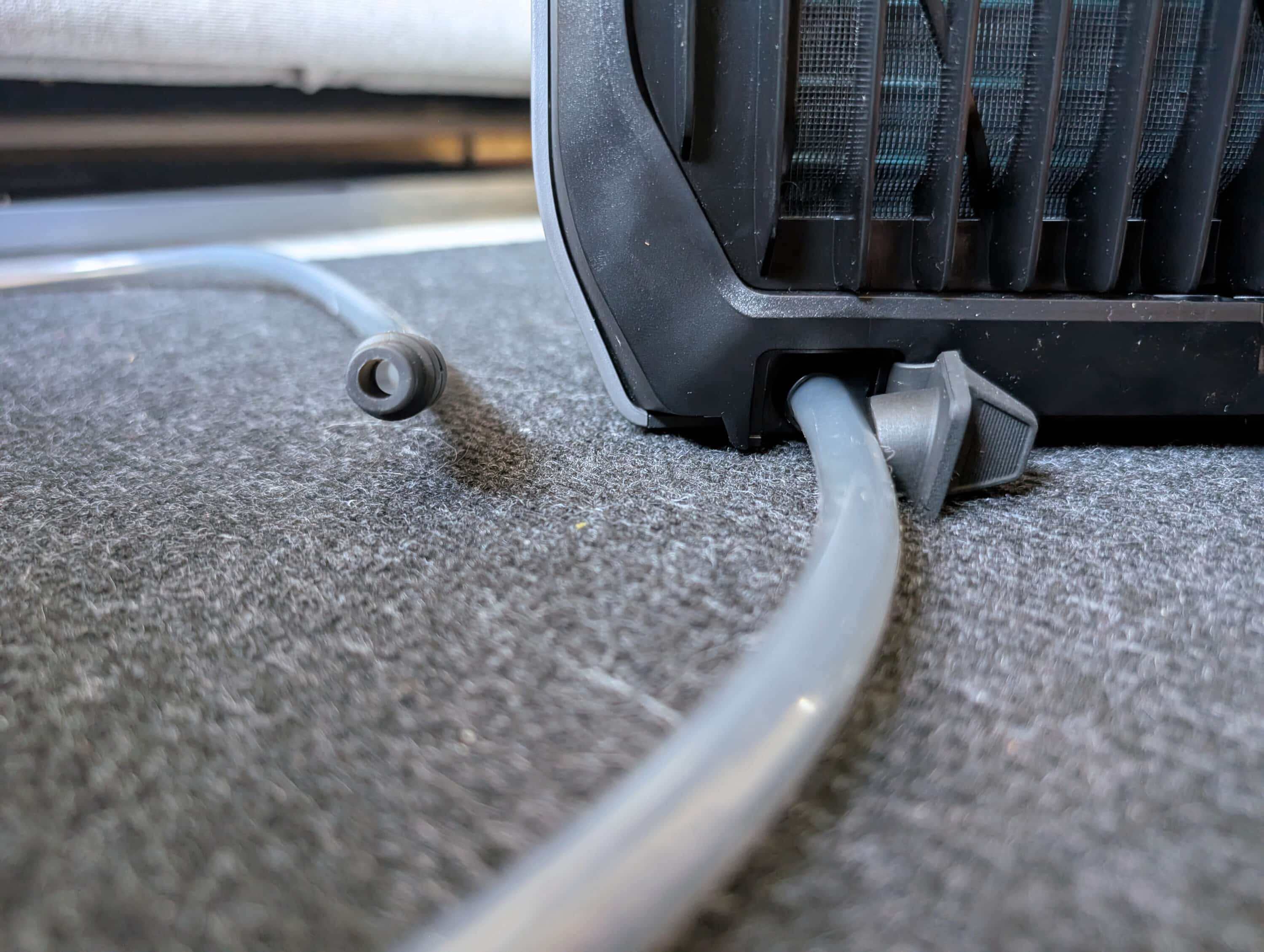
- Dehumidification mode removes moisture from the air without cooling and collects condensation in the integrated 700 ml tank The app notifies you when it is full and needs to be emptied. Alternatively, the supplied drain hose can be led directly outside for continuous drainage
A quick word about pet mode: nice gimmick with a risk
EcoFlow advertises pet mode as a safety feature: cooling starts automatically from 35°C and the app sends notifications. Stickers with “Don’t Worry – EcoFlow AC is ON” are included to signal to others that the air conditioning is running.

Nevertheless, we are skeptical – technology can fail, batteries can run out. Our clear recommendation: never leave animals unattended in a closed vehicle, not even with air conditioning. The stickers convey a deceptive sense of security.
Cooling performance of the EcoFlow WAVE 3 in the test
EcoFlow promises 8°C temperature reduction in 15 minutes – sounds impressive, but only applies to tiny 10m³ rooms at a mild 15°C starting temperature. In reality, the conditions are usually different: larger rooms, higher temperatures, poorer insulation.
We tested in a normal 12m² room, which was really heated up in the afternoon. It took 25 minutes to go from a sweltering 26°C to a pleasant 20°C – not bad, but not a record either. Things get interesting on really hot days: with an outside temperature of 30°C and a correspondingly heated room, the WAVE 3 needed 35 minutes to cool down to 6°C. This is still usable, but shows the limits.
Physics doesn’t stop at EcoFlow either: it gets nice and cool directly in front of the air outlet, but the effect is significantly weaker 3-4 meters away. This works well for typical van sizes of 10-15 m², but the WAVE 3 struggles with the room size in full-grown motorhomes of 25 m² and more. And woe betide anyone who leaves doors or windows open – then it’s tilting at windmills and won’t make any progress. Closed rooms are a must.
Heating function in the test: The EcoFlow WAVE 3 heats more efficiently than expected
The heat pump function was a positive surprise in the test. While the cooling has to work hard, heating is much more relaxed. The WAVE 3 raised the temperature in our 12m² test room by 7°C in 12 minutes – that’s fast and more efficient than conventional fan heaters.
Particularly impressive: even at a frosty 0°C outside temperature, the heat pump still manages a decent 4,000 BTU heating output. This is significantly more than many inexpensive fan heaters, which weaken in the cold. For spring or autumn camping, when temperatures drop into the single digits at night, this is a clean alternative to a diesel parking heater.
The big catch: the power consumption is brutal. 645 watts continuous consumption means that even the large 1,024 Wh battery runs out of power after an hour and a half. For longer periods of cold weather, there is no getting around shore power or a powerful solar system. It’s good for the occasional warm-up in the morning or short heating phases, but it’s too power-hungry as a permanent solution.
Power consumption: physics cannot be outwitted
690 watts for cooling, 645 watts for heating – the EcoFlow WAVE 3 is a real power guzzler, and not just in our practical test. For comparison: A large refrigerator consumes 150-200 watts. The 1,024 Wh battery runs out after an hour and a half when heating and lasts for 2-8 hours when cooling, depending on the mode.
For self-sufficient use, you need at least 400 watts of solar power in perfect conditions. A more realistic figure is 600-800 watts for reliable operation – this is significantly higher than most motorhome solar systems. For longer periods of use, electricity from the socket or an appropriately dimensioned solar system is mandatory.

App control in the test: Smartphone becomes a remote control for the EcoFlow WAVE 3
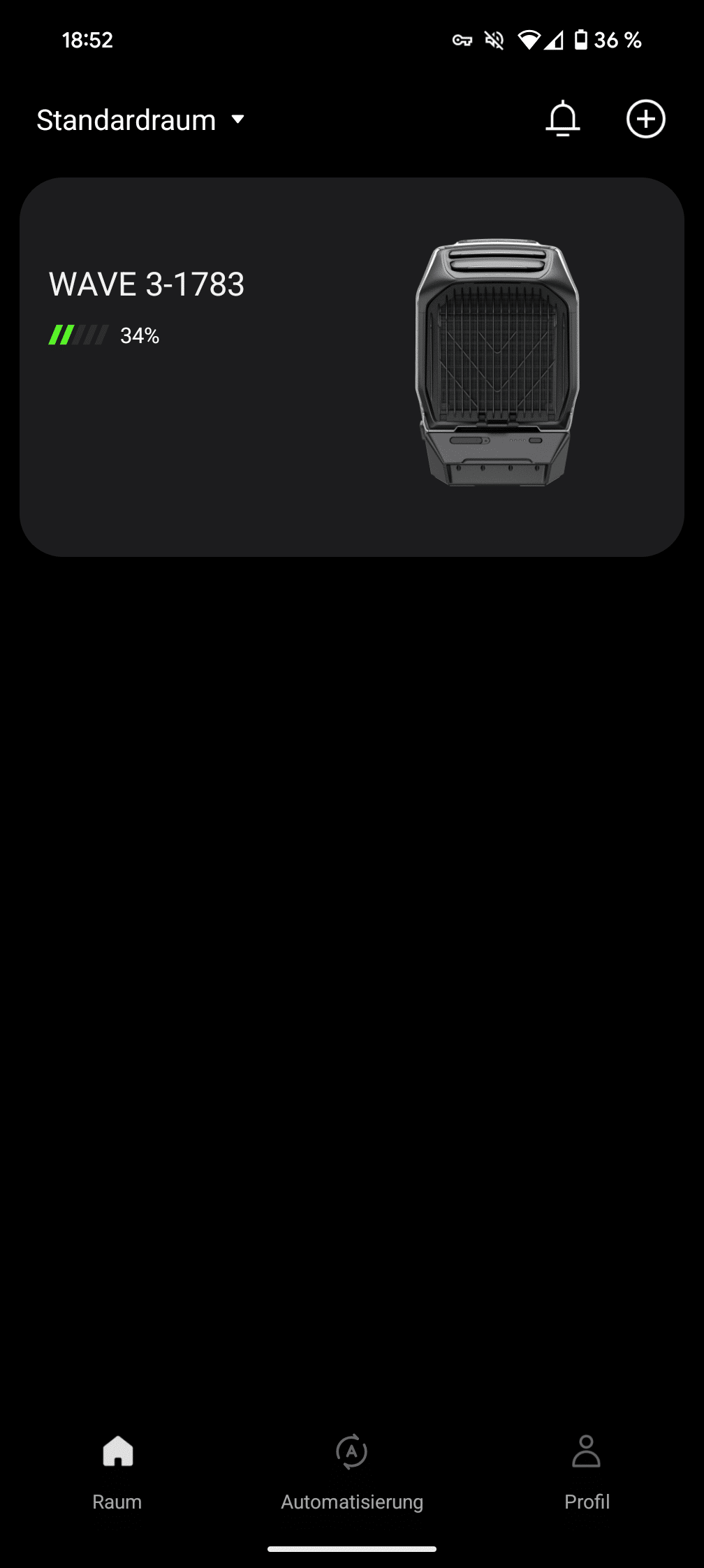
The EcoFlow app turns your smartphone into a fully-fledged remote control – clear, intuitive and surprisingly powerful. It takes less than five minutes to set up using a QR code, after which the WAVE 3 is fully controllable.
You can see the battery status, power consumption and current mode on the home screen. One tap is all it takes to switch between cooling, heating, ventilation or automatic. The temperature and fan speed can be adjusted in fine increments – directly via large buttons in the app.
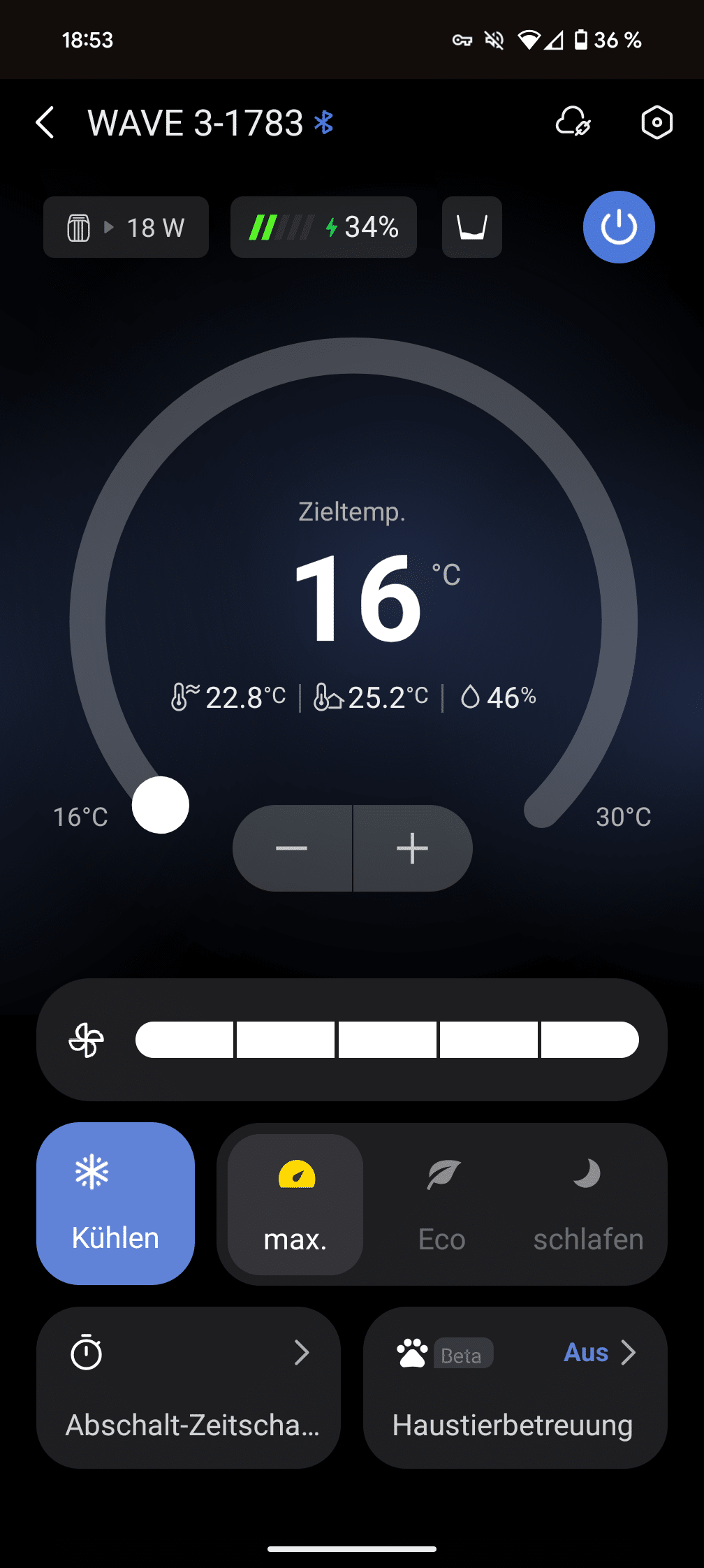
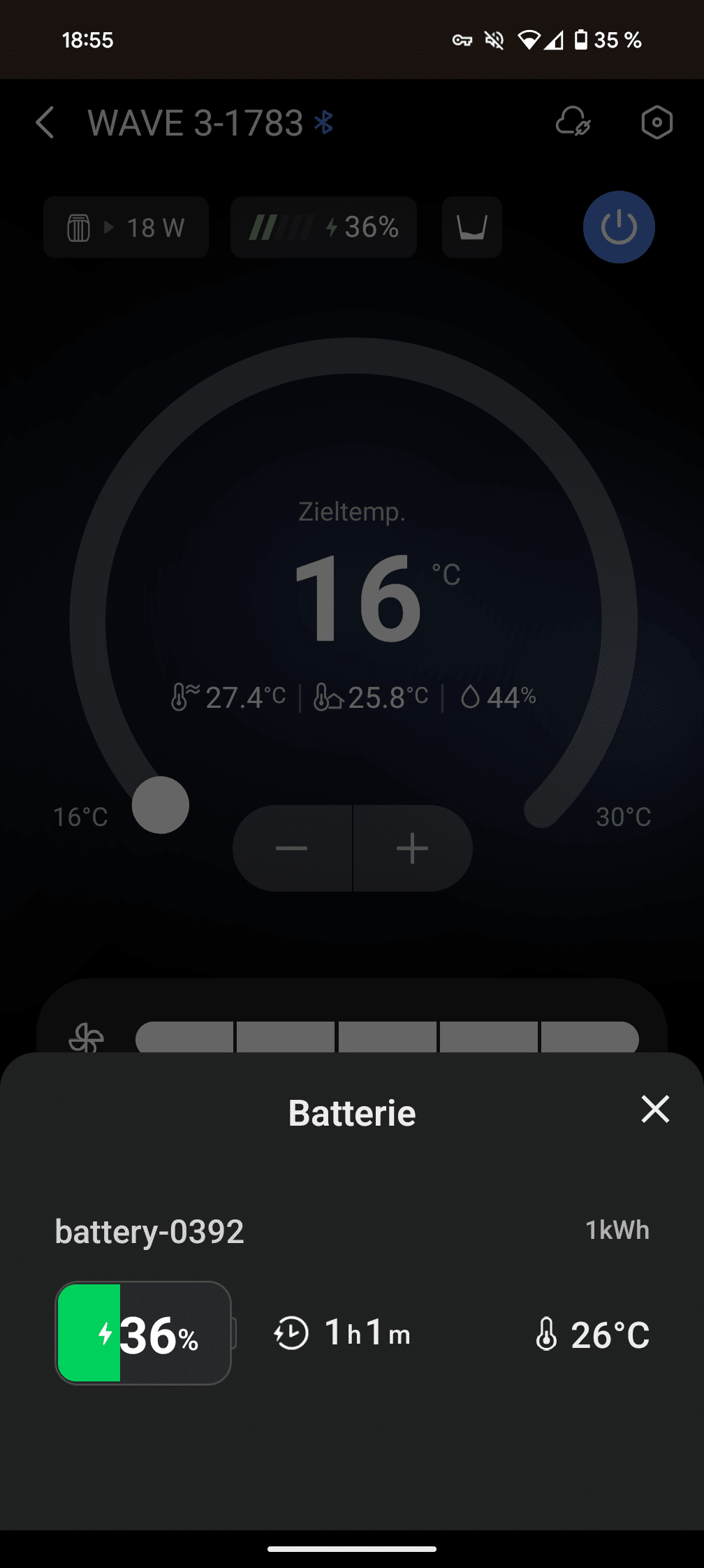
The temperature curves, which show how quickly the system is working in real time, are particularly helpful – ideal for assessing the vehicle’s insulation. The smart schedule scores points in everyday life: pre-cooling before returning home, heating in the morning or automatic switch-off at night. The consumption display provides detailed statistics on power consumption – a plus point for anyone planning to use solar panels.
The various modes are clearly displayed in the app: from economical 18-watt cooling mode to powerful 247-watt heating and fan-only mode. The dehumidification mode and automatic mode can also be conveniently controlled.
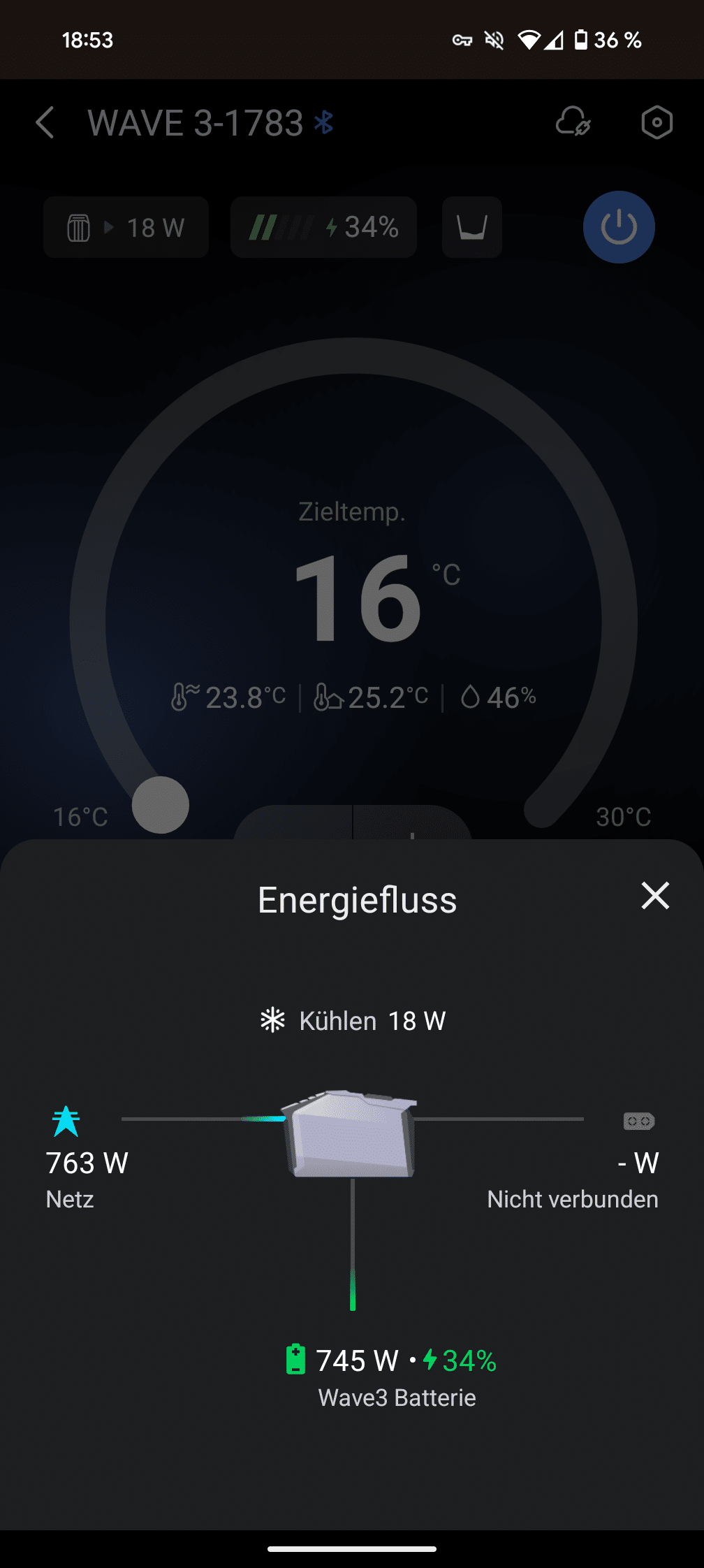
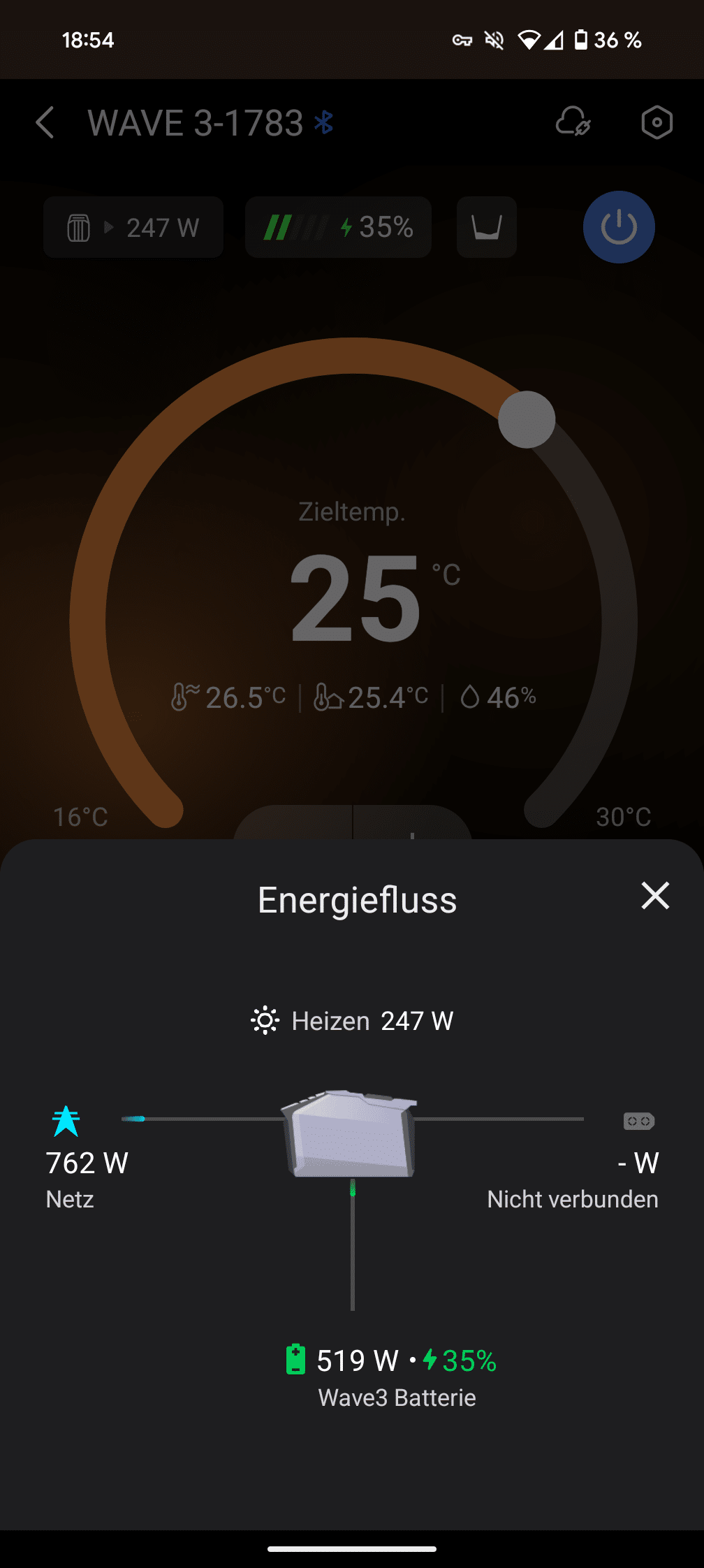
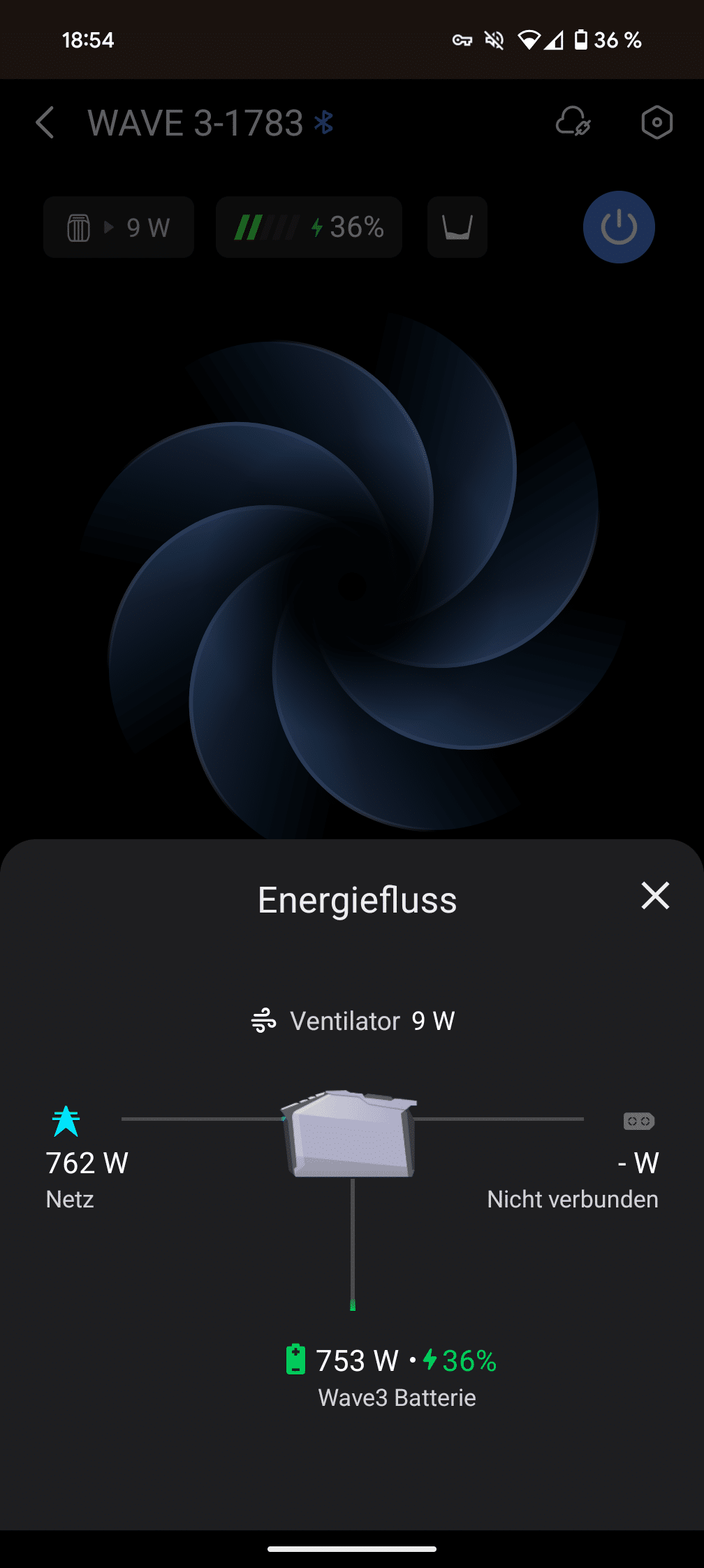
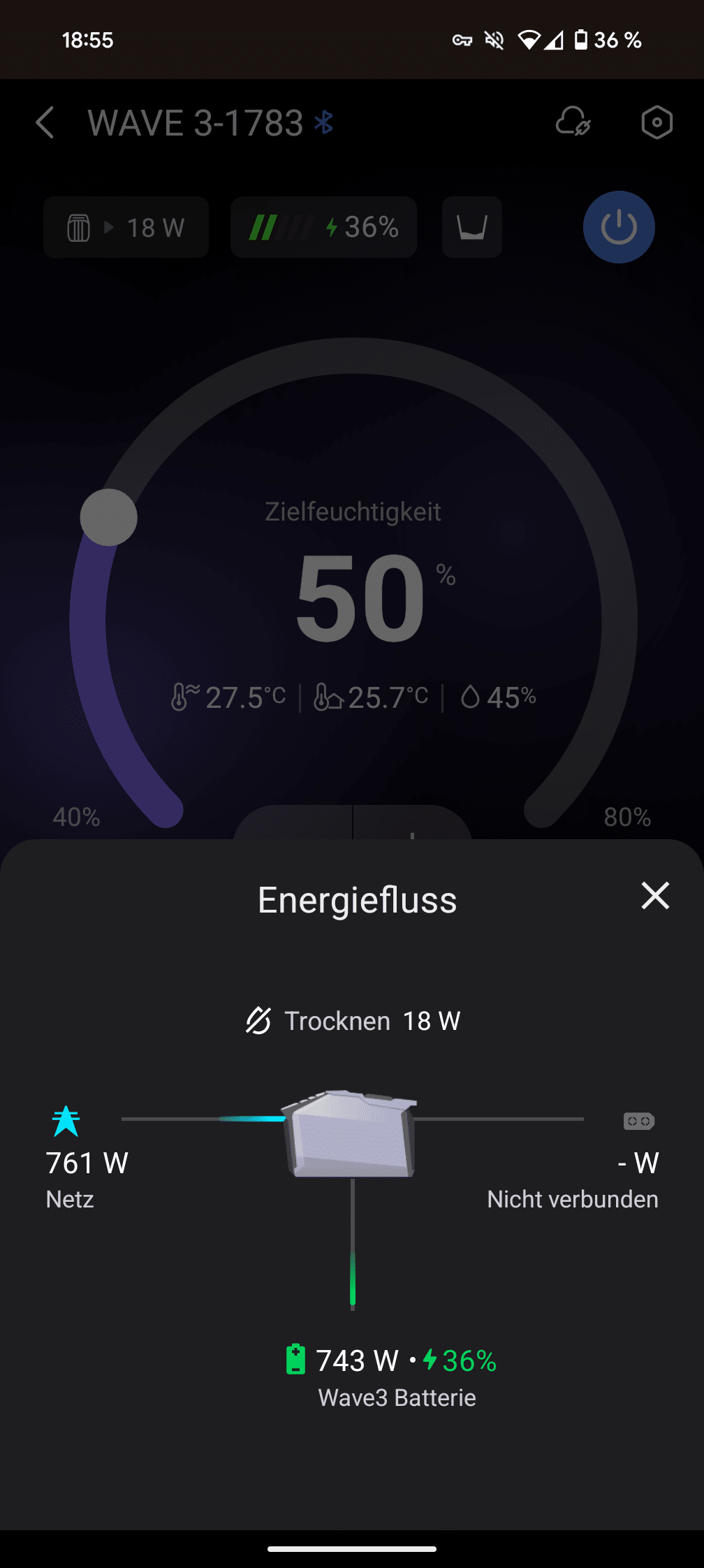
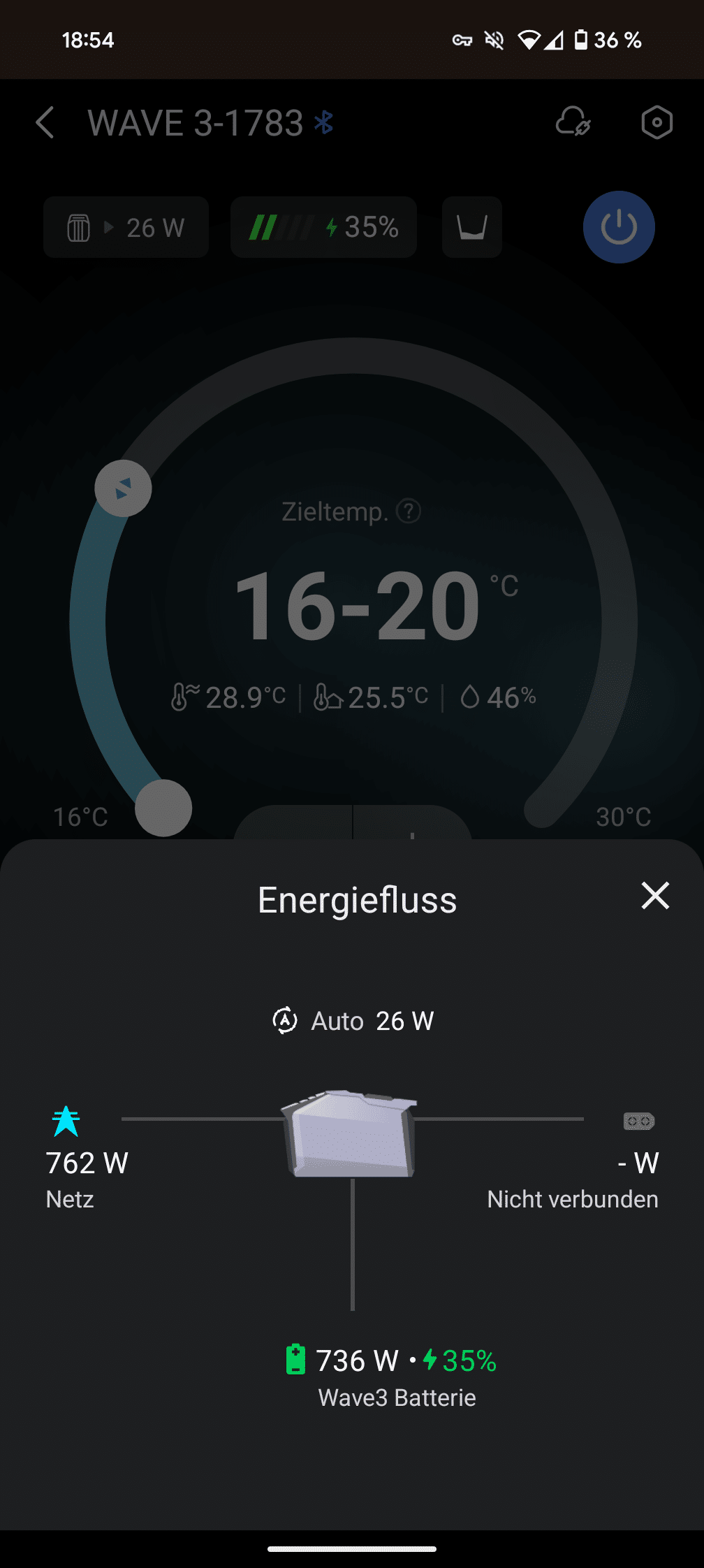
There is just one catch: Without internet, the app switches off many functions. Everything works smoothly in Wi-Fi or with a mobile network – but if you are in a remote parking space with no reception, the only option is Bluetooth basic operation or the control panel on the device.
Competition: Few alternatives in this class
There are few direct competitors to the Wave 3. Classic monobloc air conditioners from Midea or De’Longhi cost less, but are loud, inefficient and constantly need a power socket. Cheaper Chinese alternatives rarely reach 6,100 BTU and usually have poorer app integration.
The Wave 3 is cleverly positioned in the niche: more powerful than cheaper alternatives, more mobile thanks to its integrated battery, but cheaper than premium competitors. There are hardly any real alternatives with similar features.
Conclusion of the EcoFlow WAVE 3 in the test: Solid mobile air conditioner with compromises
The EcoFlow WAVE 3 does a decent job in our test, but not spectacularly so. The 6,100 BTU is sufficient for vans and smaller motorhomes, but it reaches its limits with larger vehicles. The new features such as dehumidification are useful and the app integration works well.
The high weight of 15.6 kg makes it a stationary solution – it is too heavy for frequent relocation. The power consumption requires a large solar system or regular shore power. Without the €699 battery, the system is not really mobile.
For whom is the WAVE 3 worthwhile? Campers with a sufficient budget who value comfort and can live with the weight. Anyone who drives every day and charges the battery can remain self-sufficient. Occasional users are better off with cheaper alternatives.
The WAVE 3 largely fulfills its promises, but comes at a price. A good investment for intensive use, oversized for sporadic camping.

VORTEILE
- Environmentally friendly R290 refrigerant instead of the usual R32
- LFP battery with 4,000 charging cycles instead of 800 as with NCM
- combined AC+solar charging in just 75 minutes
NACHTEILE
- App features only work with an internet connection
- Rather unusable on the move without a battery
- High power consumption of 690W
- 15.6 kg (incl. battery)
Fazit
The EcoFlow Wave 3 is a solid mobile air conditioner with a decent cooling/heating capacity and sophisticated app control. However, its heavy weight of 15.6 kg (incl. battery) and high power consumption make it more of a stationary solution for demanding campers. Works reliably in its area of application, but costs accordingly.


