


More and more manufacturers are jumping on the hype train of the “robot vacuum cleaner sector”. Manufacturers unknown in this country, such as ILIFE, are also getting in on the act. The Chinese manufacturer has already made a name for itself in the Far East with its reasonably priced household robots. In the ILIFE A30 Pro test, we were able to take a look at one of the brand’s models for the first time.
Technical data
| Model | ILIFE A30 Pro |
| Suction power | Robot vacuum cleaner: 5000 Pascal Suction station: 12000 Pascal |
| Dimensions | Robot vacuum cleaner: 330×330×95 mm Suction station: 285×145×253 mm |
| Water tank volume | 200 ml |
| Dust container volume | 200 ml |
| Dust bag volume in suction station | 2,500 ml |
| Control system | App, Alexa and Google Assistant |
| price | Price not available * |
Scope of delivery
The scope of delivery of the ILIFE A30 Pro is impressively extensive. The manufacturer shines here with a total of five dust bags. So it will be a few months before you have to buy new consumables.

- ILIFE A30 Pro Robot Vacuum Cleaner
- Suction station
- 4x spare dust bags
- Mopping unit
- 2x wipes
- Remote control (incl. batteries)
- Cleaning tool
- 1x replacement side brush
- 1x replacement filter
- power supply unit
ILIFE A30 Pro Test: Design and workmanship
In terms of design, the ILIFE A30 Pro is not a game changer. Strictly speaking, it reminds me of other budget models such as the AENO RC2S (Review | € 349.00 *). You get a 330×330×95 mm circular robot vacuum with a color combination of black and white.

A LiDAR sensor is located in the front area on the top, which is used for navigation using laser technology. There is also a control unit on the top for rudimentary control. You can use the button to switch the robot on and off. The company logo is located on the opposite side.

At the front of the robot, we find a glossy black strip under which the technology required for obstacle detection is located. A bumper ensures that collisions with furniture or other obstacles do not cause any damage. At the back, we find the 2-in-1 combination container. This not only houses the dirt container, which collects dust and other debris.

The water tank is also located here. Both have a volume of 200 ml. Underneath, we find the suction shaft with main brush and the side brush, which is designed to remove dirt from corners. Two large, well-profiled wheels and a mopping unit consisting of a classic mopping surface round off the features. The ILIFE A30 Pro comes with a matching suction station.

This not only charges the robot vacuum’s battery. The station also vacuums up the collected dirt. The dirt then ends up in the replaceable 2.5 liter dust bag. This should provide enough space for up to 60 days. As the station is also primarily white in color, it matches the Robo very well visually.

Thanks to its rather compact format, it can also be concealed quite well. Overall, there is not much to complain about when it comes to the build quality of the ILIFE A30 Pro. However, you always have to keep the price in mind. Of course, you shouldn’t expect the quality of a flagship from Dreame or Roborock.
ILIFE A30 Pro test: Navigation
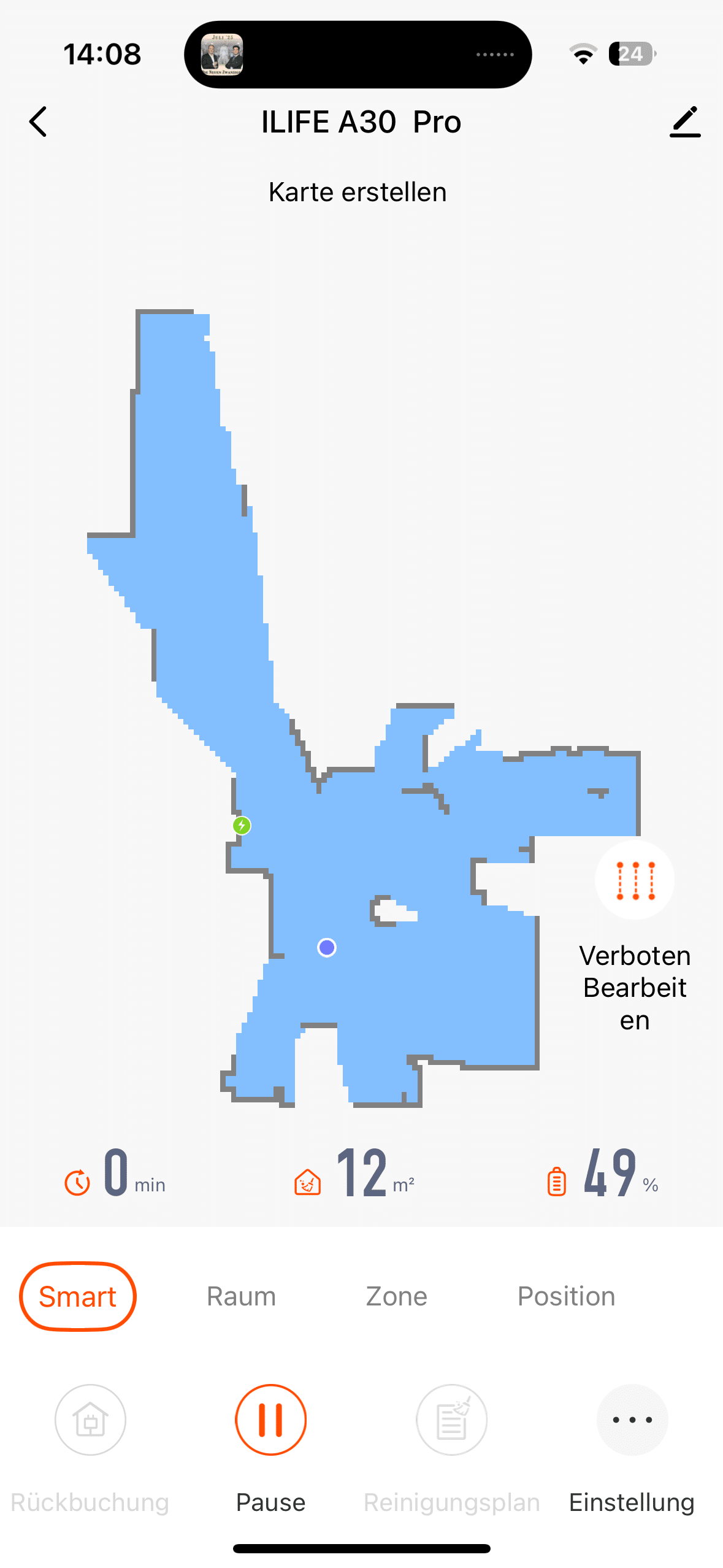
Nowadays, there are very few robot hoovers that do without LiDAR technology. The ILIFE A30 Pro also uses this proven navigation method. The great advantage of LiDAR is not only the high accuracy of the mapping. LiDAR also works reliably in both bright and pitch-black environments. During its maiden voyage, the ILIFE also wants to directly create a map of the area to be cleaned.

In practice, this was done in just a few minutes, as the A30 Pro does not clean during the mapping process. I was pleasantly surprised by the end result. The smart household helper was able to map its surroundings quite accurately. However, the higher-priced models are also ahead in terms of accuracy of detail. With a suitable map in its luggage, the ILIFE scans your rooms according to a sensible plan. First, it cleans the perimeter of a room. It then moves around the interior in parallel lines. While the navigation is quite convincing, the obstacle detection works rather satisfactorily.

However, this is not surprising given the lack of a camera unit. Instead, ILIFE relies on a combination of sensors and LiDAR sensors. Larger objects such as furniture are avoided in most cases, but are often touched by the bumper. Smaller objects, on the other hand, are often overlooked by the system. You should therefore make sure that there are no small toys or cables on the floor before each cleaning session.
ILIFE A30 Pro test: ILIFE App
When it comes to operating the A30 Pro, you have various options. The button on the robot hoover itself only lets you start or stop the smart household helper. Alternatively, you can also use the included remote control, which offers significantly more options. This should please anyone who doesn’t always want to pull out their smartphone to start the vacuum cleaner.

However, this is by no means enough to fully operate the robot hoover. After all, you need the ILIFE Clean app for basic settings such as creating a map. The app itself doesn’t exactly make the most modern impression, but it is still clearly laid out. I also didn’t miss any setting options.
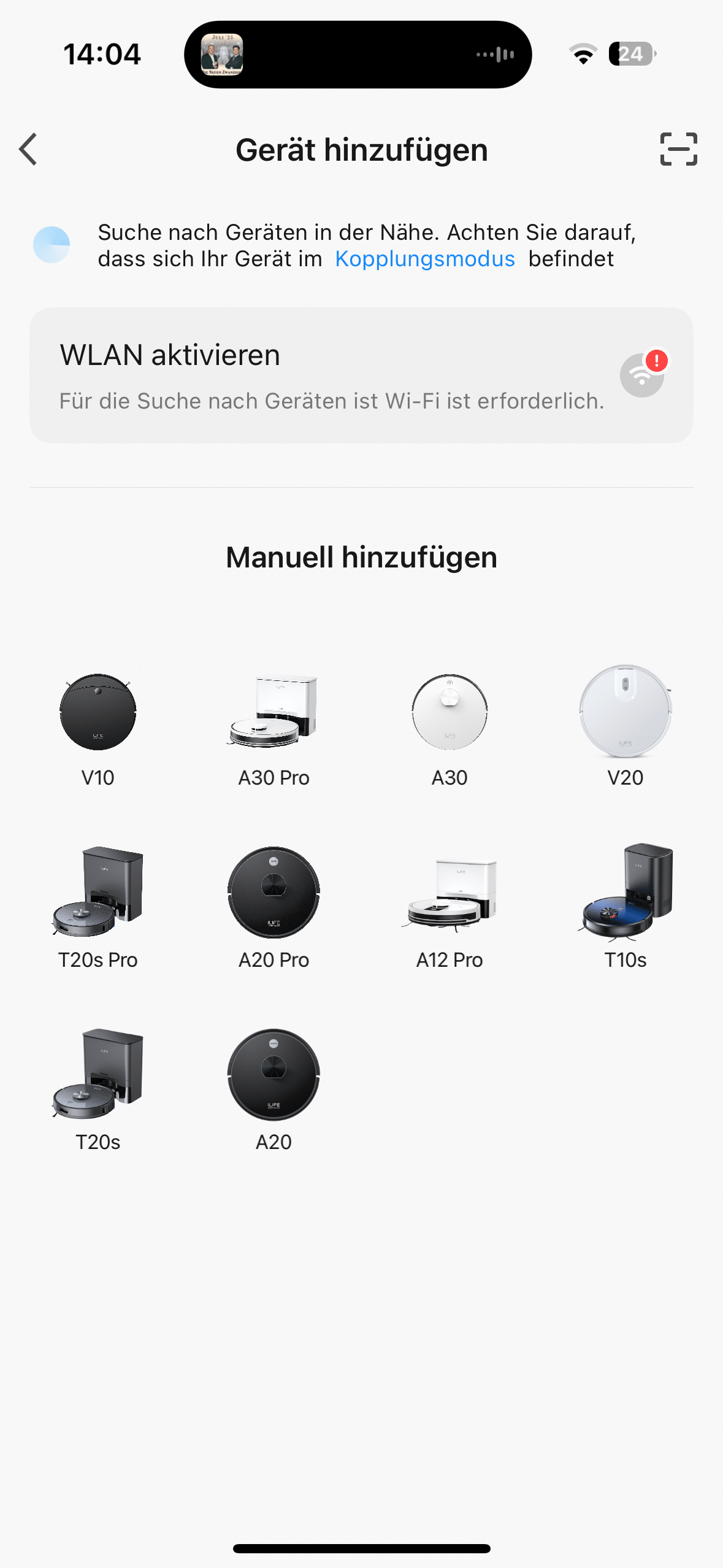
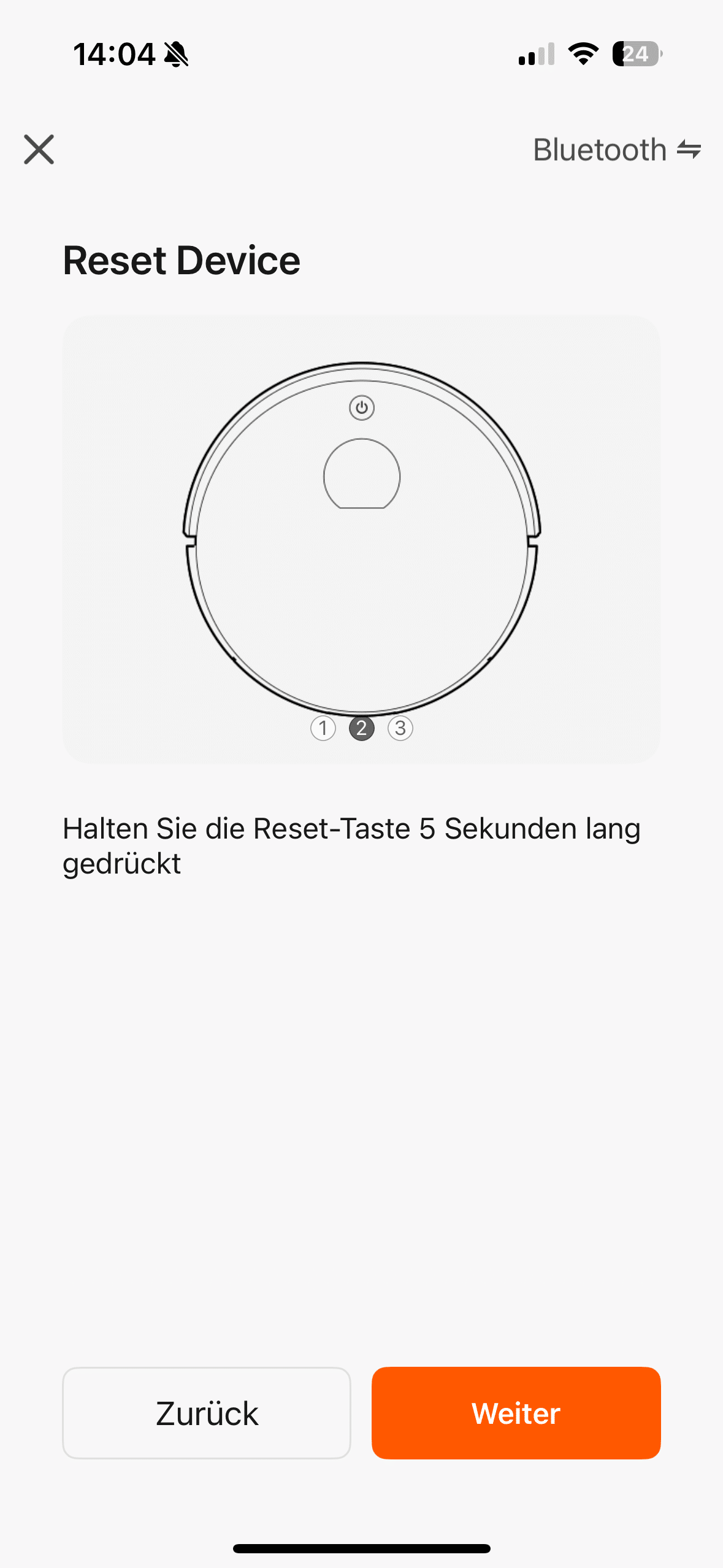
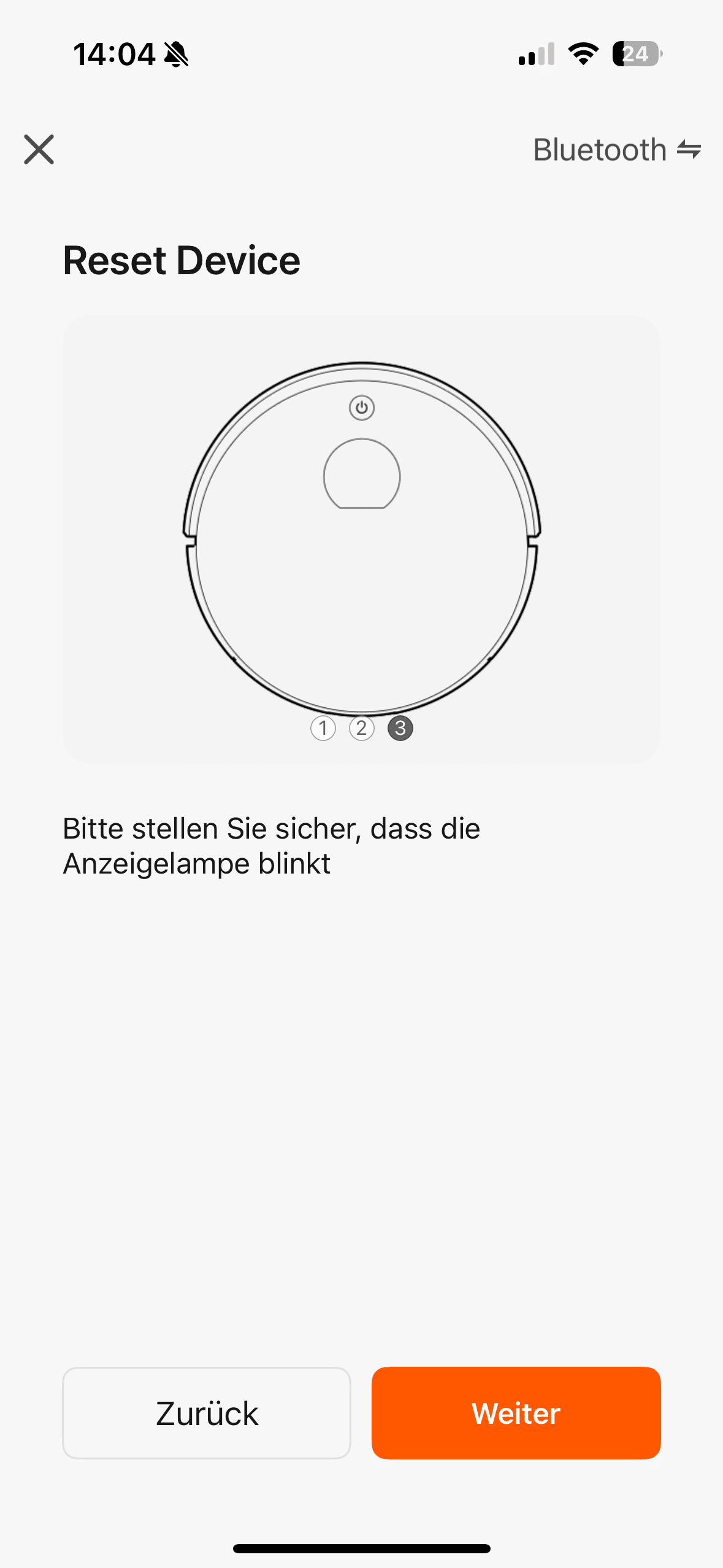
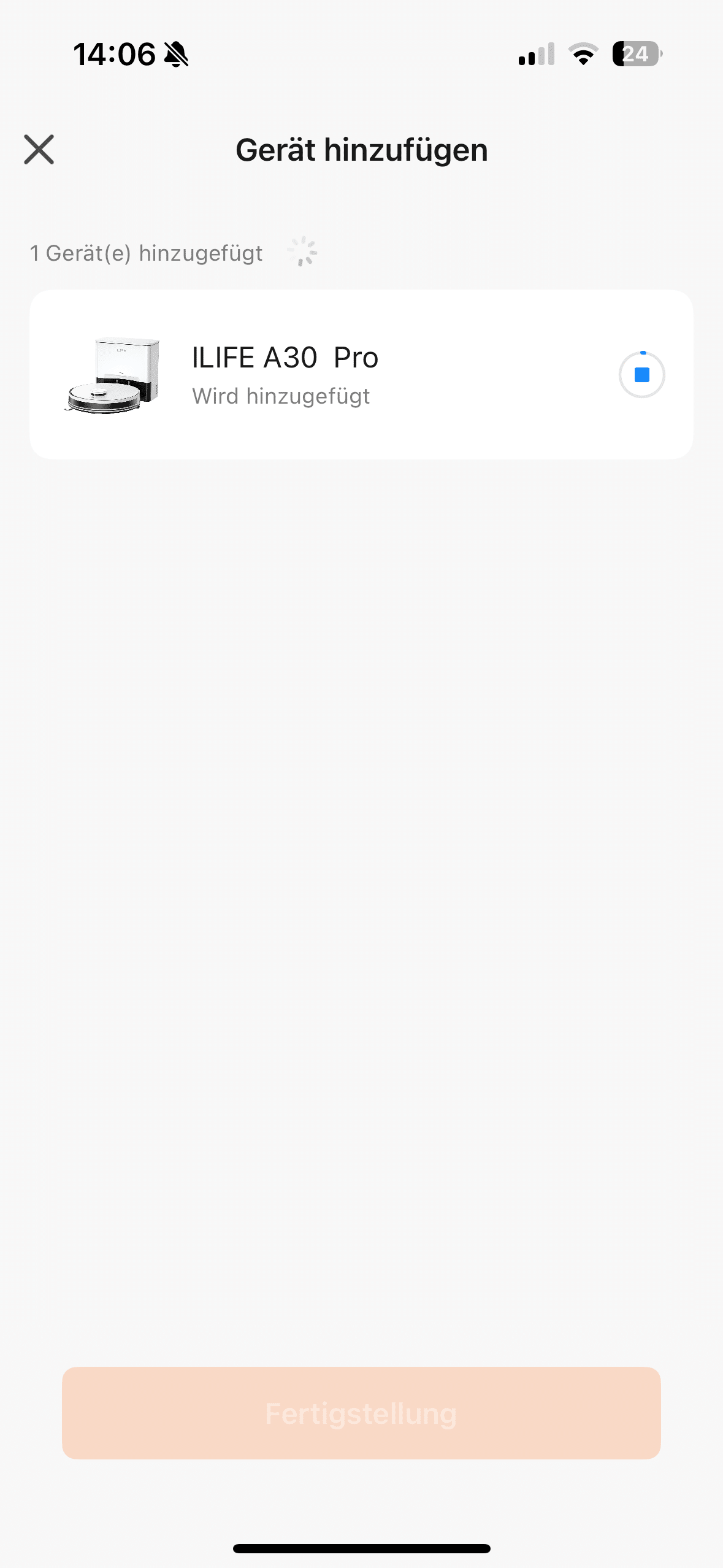
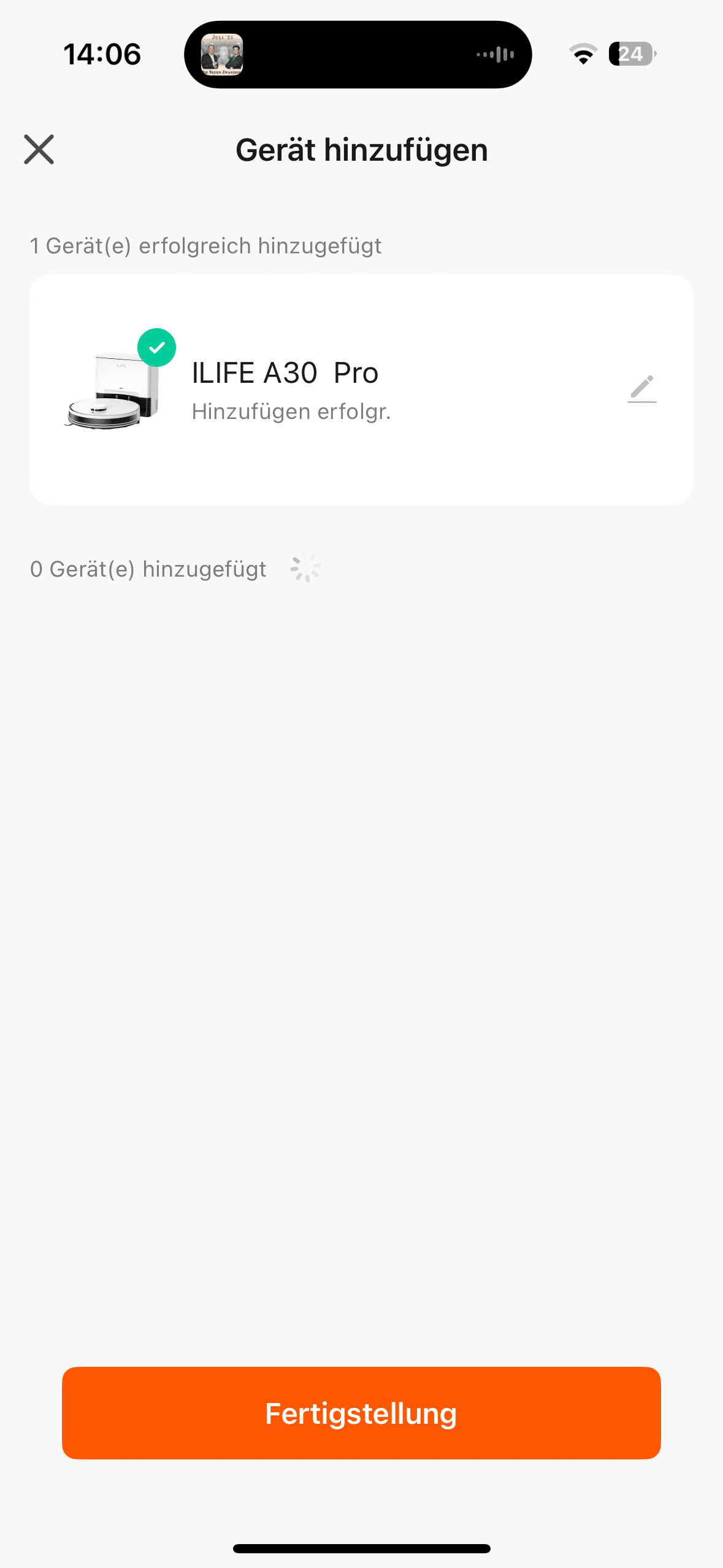
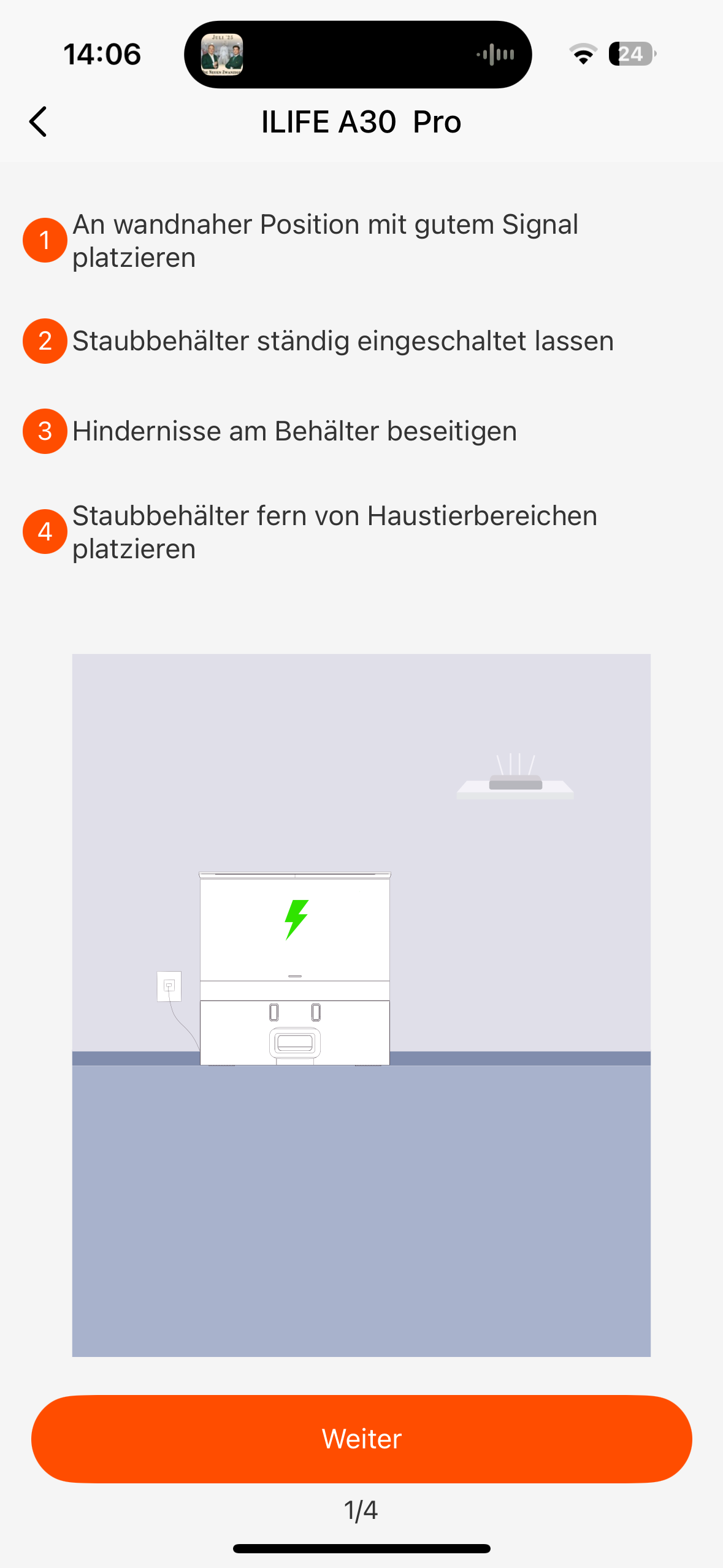
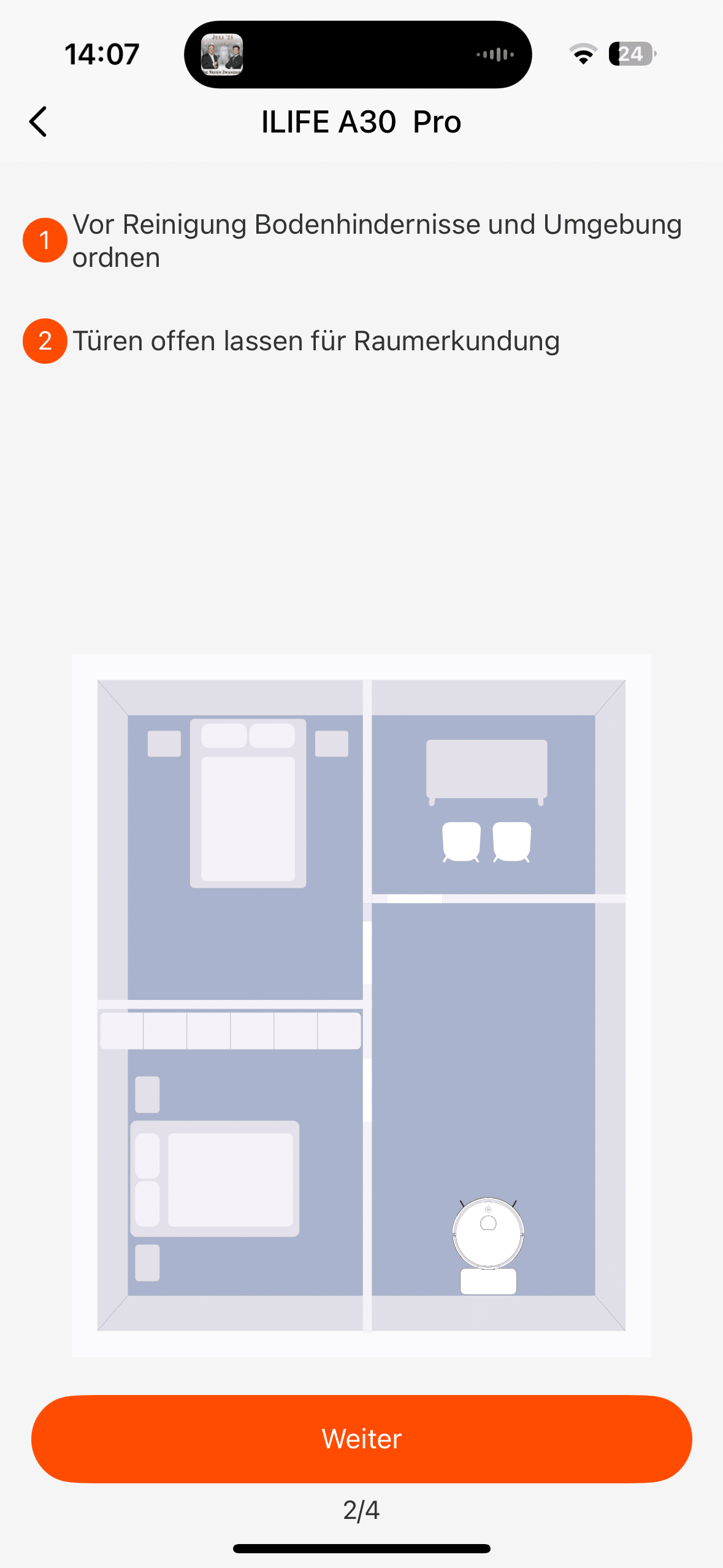
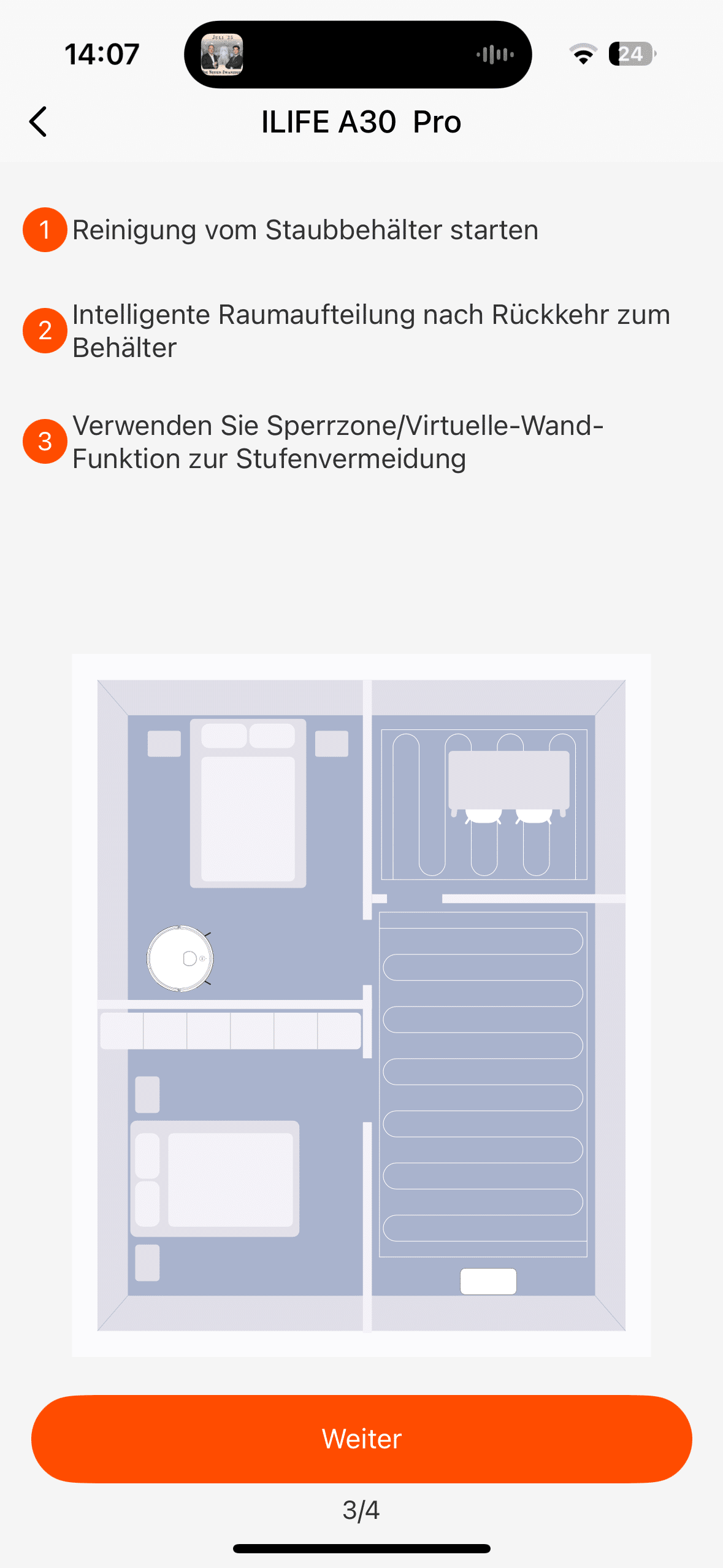
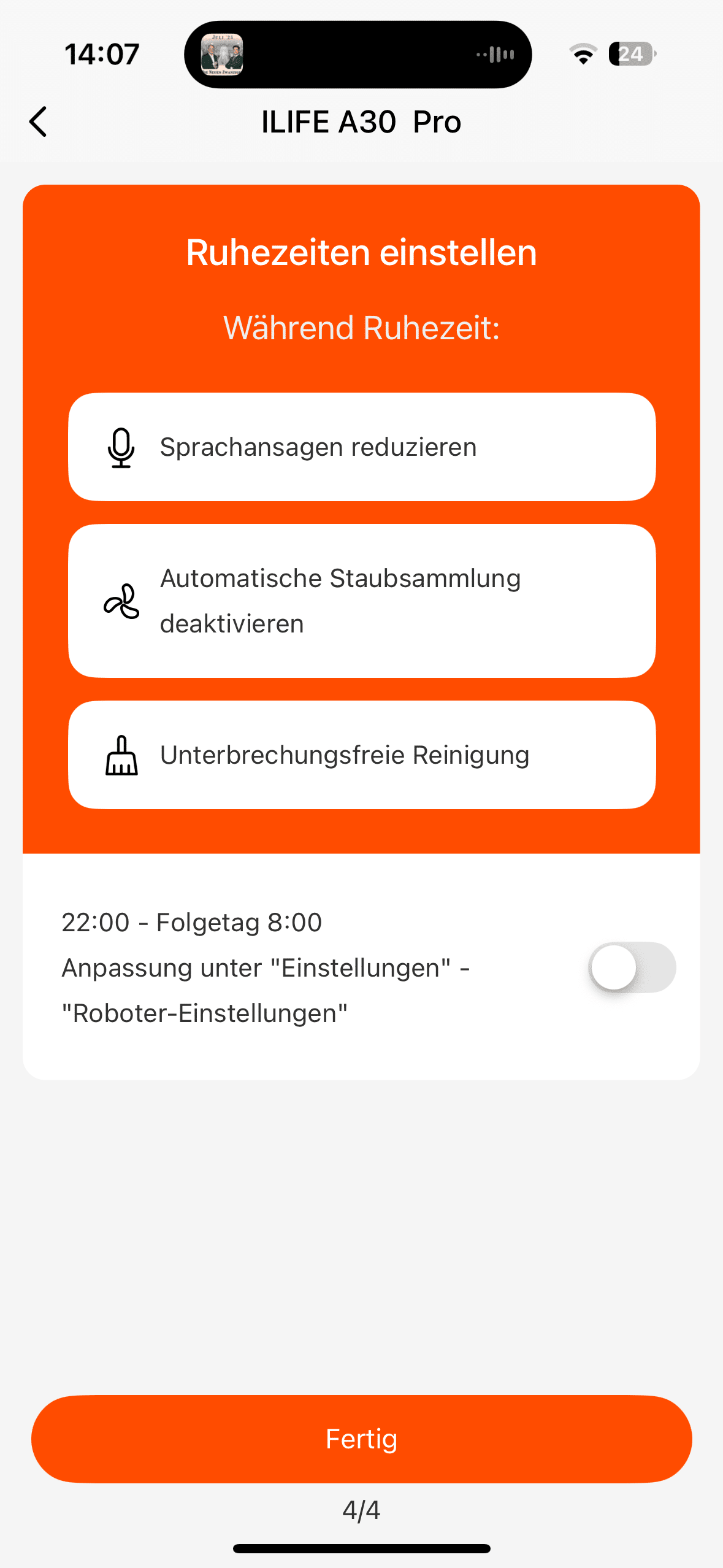
Here you can customize the map. For example, you can create invisible walls and no-go zones. You can also create a cleaning plan here. This means you don’t have to start the A30 Pro manually via the app every time. Instead, the robot will set off automatically at the desired day and time and clean your home.
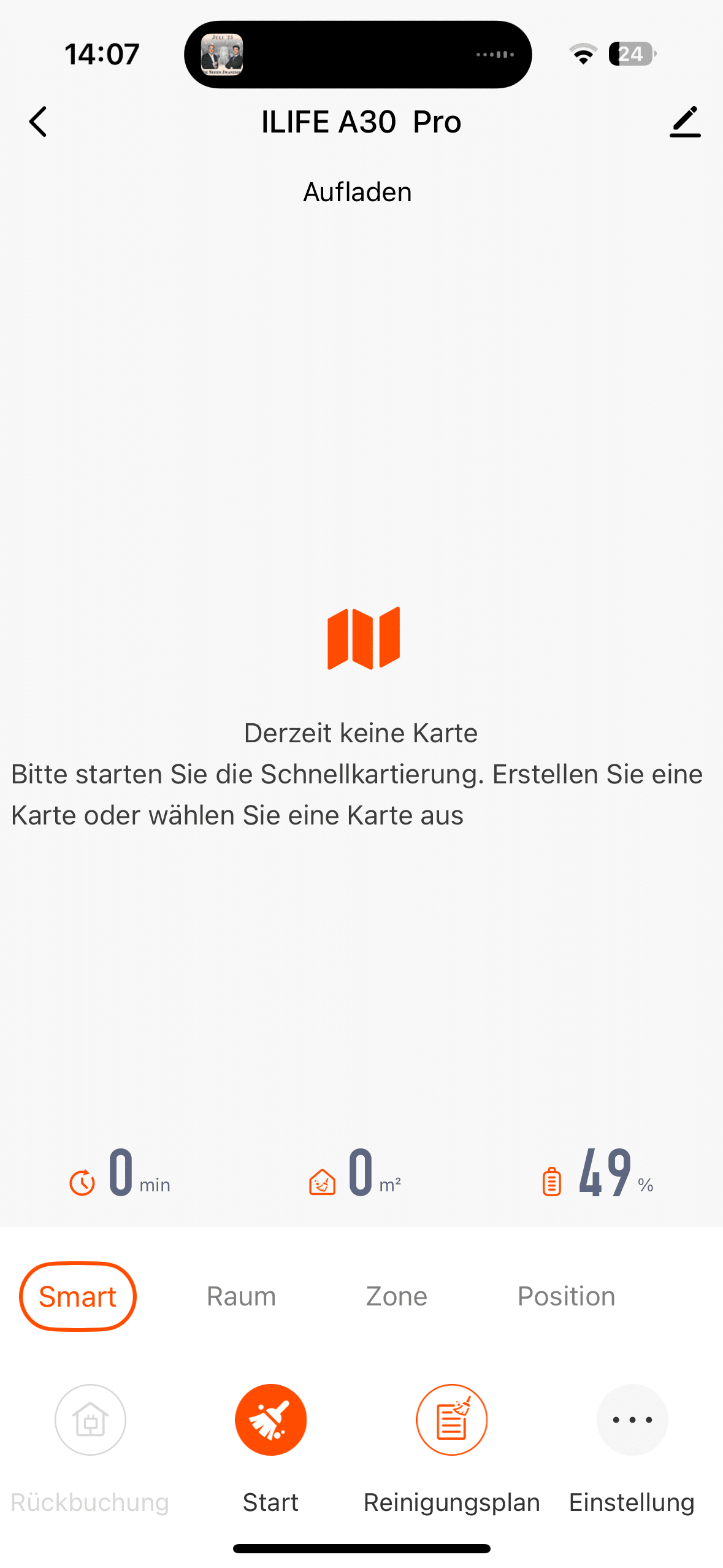
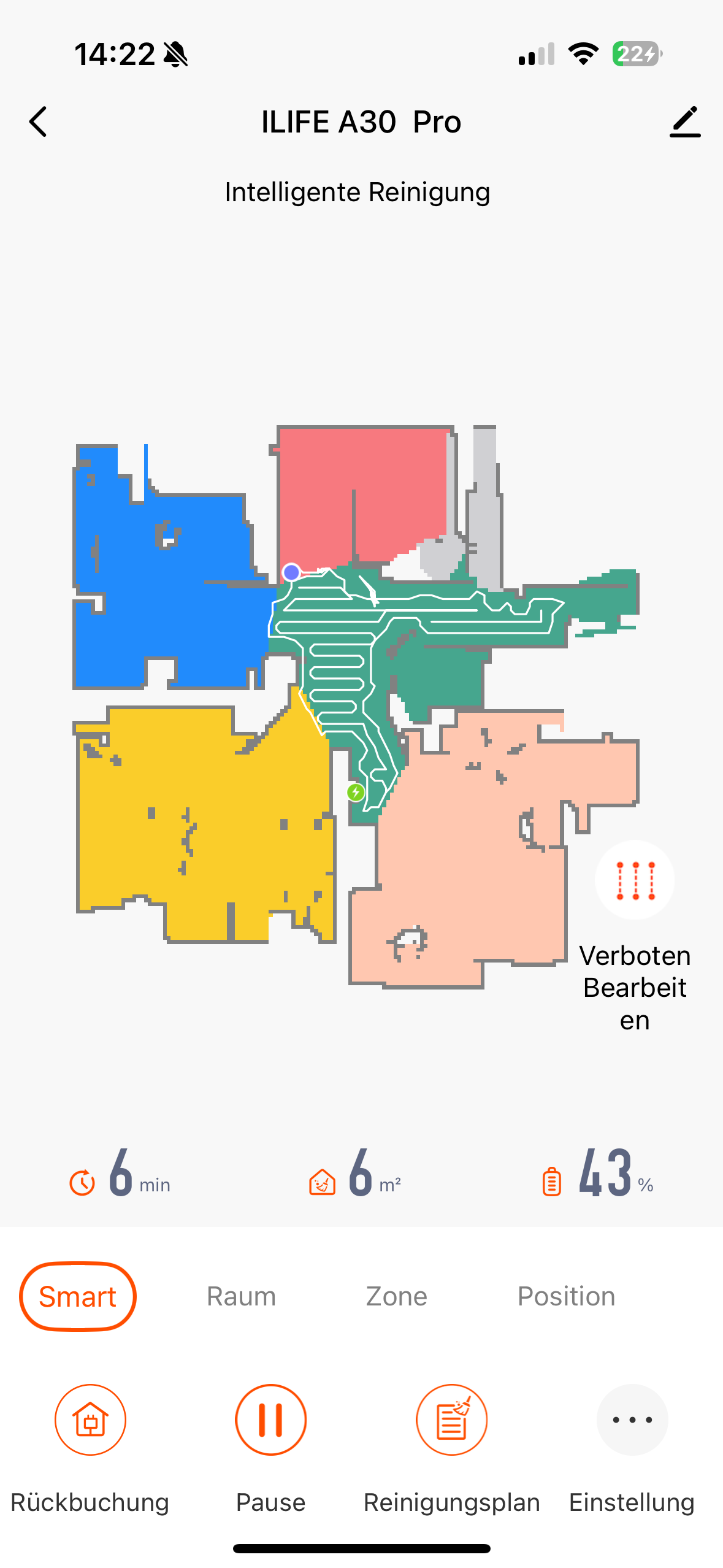
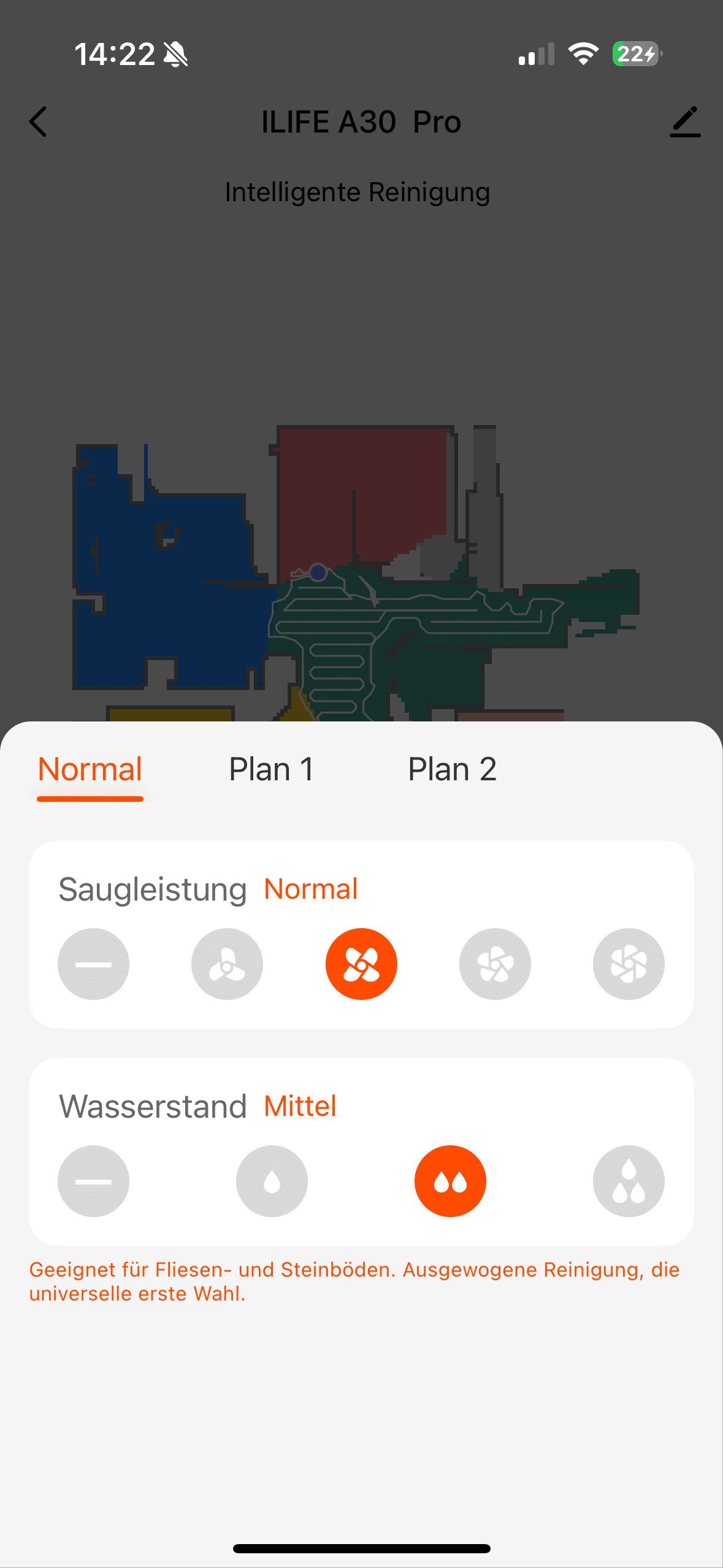
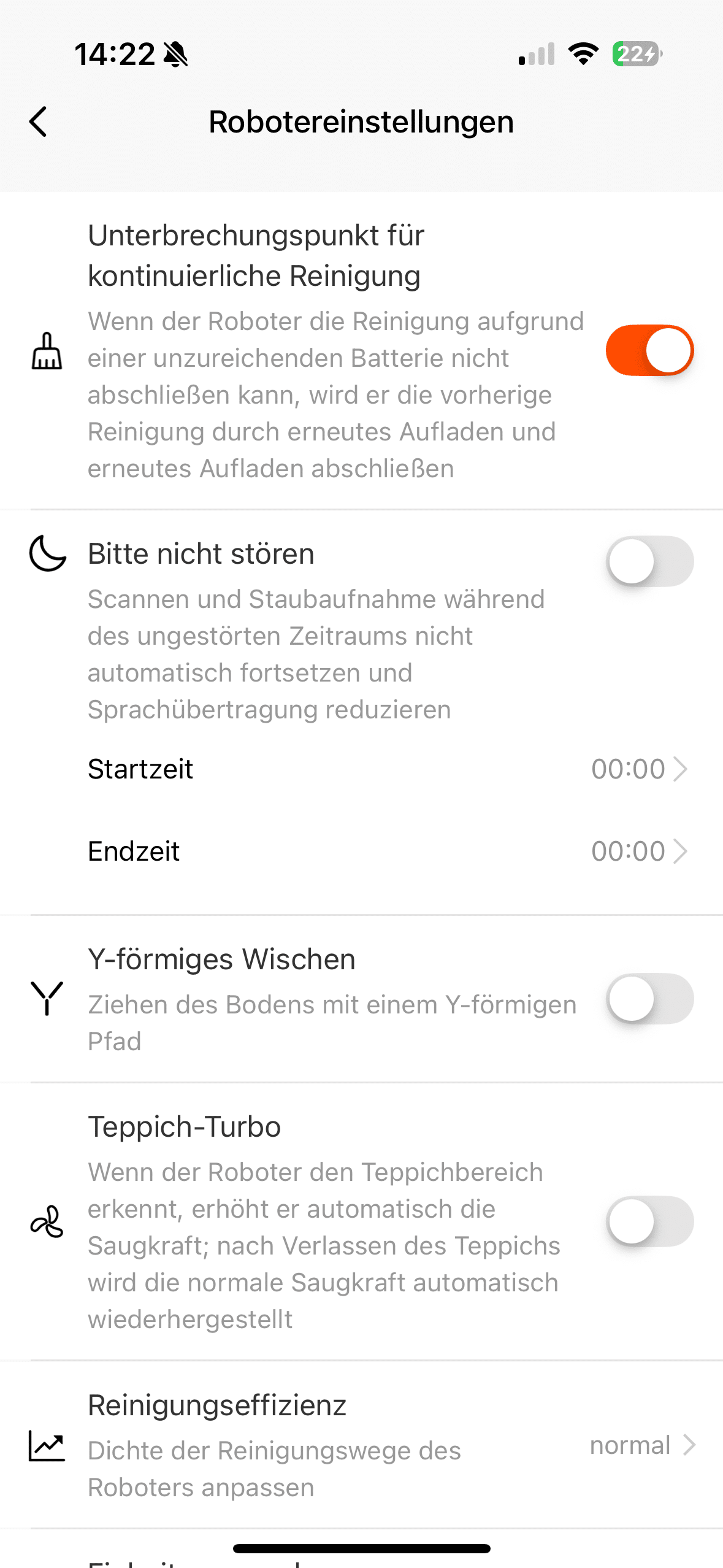
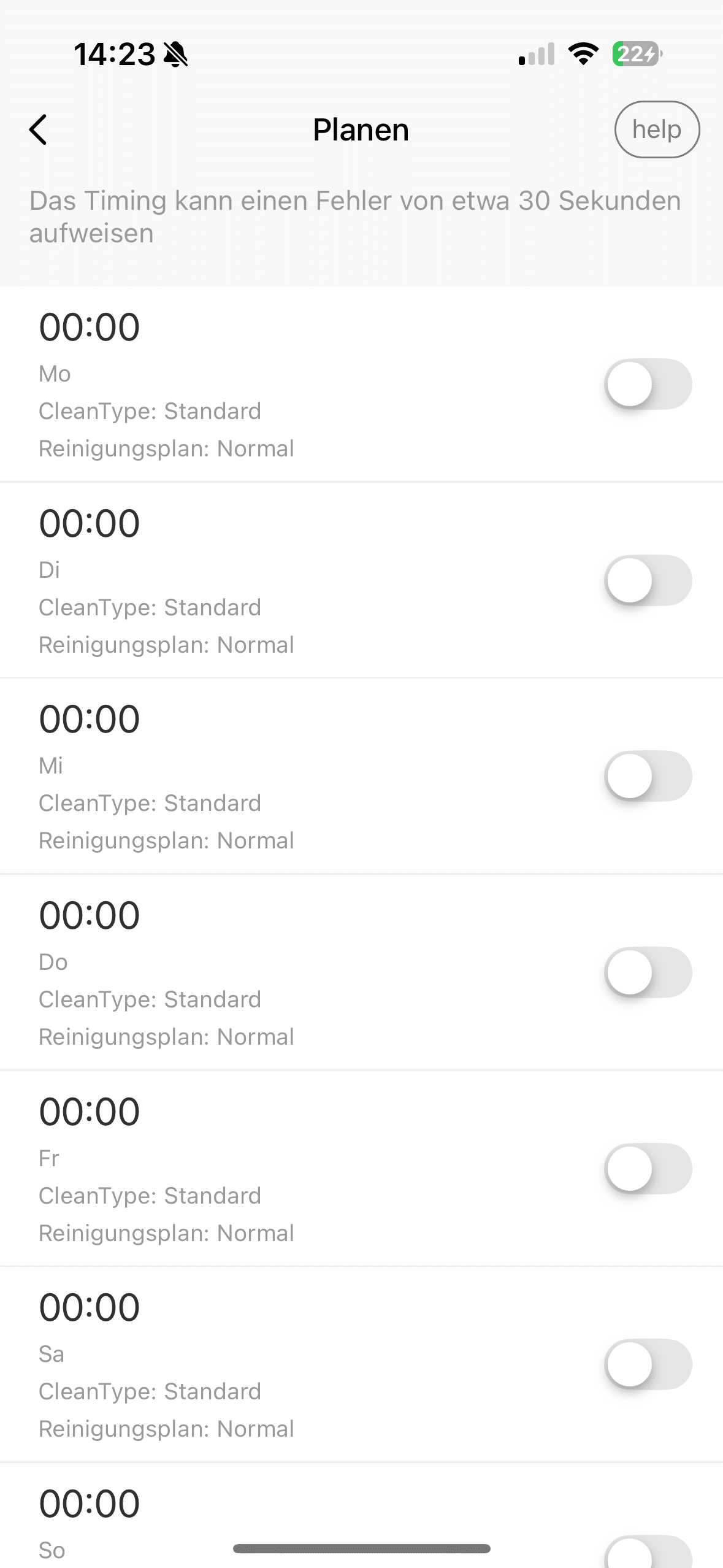
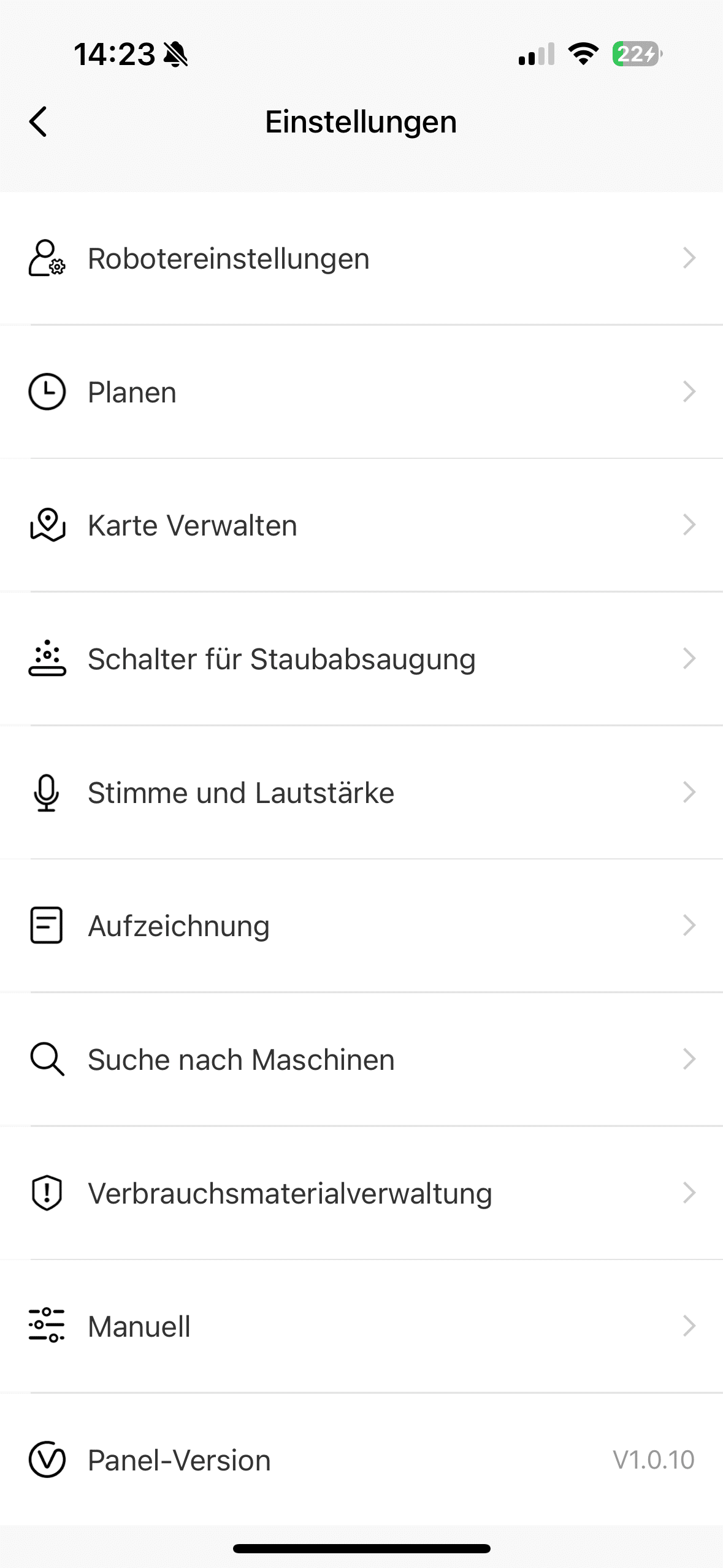
The cleaning performance can also be adjusted via the app. You can also implement voice assistants such as Alexa or the Google Assistant to control the Robo with your voice. There are some translation errors in the German localization, but this should certainly improve over time with updates.
ILIFE A30 Pro test: Practical test
The A30 Pro offers a suction power of 5000 Pascal. In comparison: Current flagships such as the Dreame X50 Ultra (Review | € 1,303.96 *) offer four times the performance with 20,000 Pascal. This is not directly noticeable on hard floors. Here, the A30 Pro offers quite good performance and the power is completely sufficient.

However, the lack of suction power is sometimes noticeable on carpets. Stubborn items such as pet hair in particular tend to get stuck in the carpet. The dedicated carpet detection thanks to the sensor on the underside doesn’t help either. Although this ensures that the suction power is automatically maximized, the 5000 Pascal is only sufficient for short-pile carpets.

As I don’t have many carpets at home, this only bothered me marginally. The side brush helps the ILIFE to clean corners. This works quite well in practice. I didn’t like the main brush so much. Over time, more and more of my dog’s hair got wound up here. An anti-tangle technology or different roller material would have helped here.

However, if you mostly have hard floors in your home, you should be satisfied with the suction power. What didn’t leave me satisfied, however, was the mopping performance. But to be honest, I had already expected this. The ILIFE relies on a rigid mopping surface that is pulled across the floor by the robot and actually only distributes dirt from A to B.

In contrast to Roborock’s VibraRise technology, which is used in the Roborock Saros 10 (Review | € 1,399.00 *), for example, it offers neither pressure nor vibration when mopping. As a result, stubborn stains usually remain untouched on the floor. The mopping function therefore falls into the “better than nothing” category.

However, I really liked the suction station. After every successful cleaning session, the A30 Pro returns to its station not only to charge the battery, but also to vacuum up the collected dust and other dirt. As the 2.5-liter dust bag can last up to 60 days before it needs to be replaced, the station offers a great deal of user convenience. Finally, the sometimes annoying frequent emptying of the dust container is fortunately a thing of the past here.
Conclusion
With the A30 Pro, ILIFE delivers a solid mid-range robot vacuum that cuts a fine figure, especially on hard floors. The combination of LiDAR navigation, decent suction power and automatic suction station ensures a high level of ease of use in everyday life. The latter in particular is not a matter of course in this price range and is one of the robot’s greatest strengths.

However, compromises must be made in the mopping function and carpet cleaning – here the A30 Pro quickly reaches its limits due to the limited suction power and the simple mopping plate. Some caution is also required when it comes to obstacle detection, as smaller objects are not always reliably detected. If you mainly focus on hard floors, the ILIFE A30 Pro is still an affordable entry into the world of smart household helpers – with a few compromises.

VORTEILE
- Good suction power on hard floors
- Reliable LiDAR navigation
- Automatic suction station (up to 60 days)
- App control with schedules and no-go zones
- Voice control via Alexa & Google Assistant
- Practical remote control
- Compact design, solid workmanship
NACHTEILE
- Weak mopping function without pressure/vibration
- Carpet cleaning rather mediocre
- Main brush susceptible to hair entanglement
- Obstacle detection unreliable for small objects
Fazit
The ILIFE A30 Pro is a solid robot vacuum at a great price! However, it suffers from weak obstacle detection and a poor mopping function.


