


With the Philips Evnia 25M2N5200U, the manufacturer presented a new esports monitor at the beginning of May, which is aimed at competitive gamers with a frame rate of 360 Hz and a Full HD resolution. In our test, we find out whether it’s worth buying.
Technical data
| The product | 25M2N5200U |
| Display size | 24.5 inch |
| Display resolution | Full HD (1,920 x 1,080 pixels) |
| Screen refresh rate | 360 Hz |
| Panel type | IPS |
| Screen surface | non-glare |
| Aspect ratio | 16:9 |
| Brightness | 400 cd/m² |
| Contrast ratio | 1.000:1 |
| Screen colors | 16.7 million |
| Color space | 110% sRGB; 84% DCI-P3 |
| Viewing angle | H: 178° / V: 178° |
| Curvature | none |
| Response time | 1 ms (GtG) |
| Connections |
|
| Audio connections | 1x 3.5 mm jack |
| Integrated speakers | yes |
| color | anthracite |
| VESA mount | 100 x 100 mm |
| weight | 5.09 kg |
| Special features | AdaptiveSync, Smart MBR, DisplayHDR 400, Smart Image, Smart Crosshair, ShadowBoost |
| Price | € 361.22 * |
Philips Evnia 25M2N5200U Review: Inconspicuous and fast
- simple design
- Impeccable workmanship
- quickly assembled
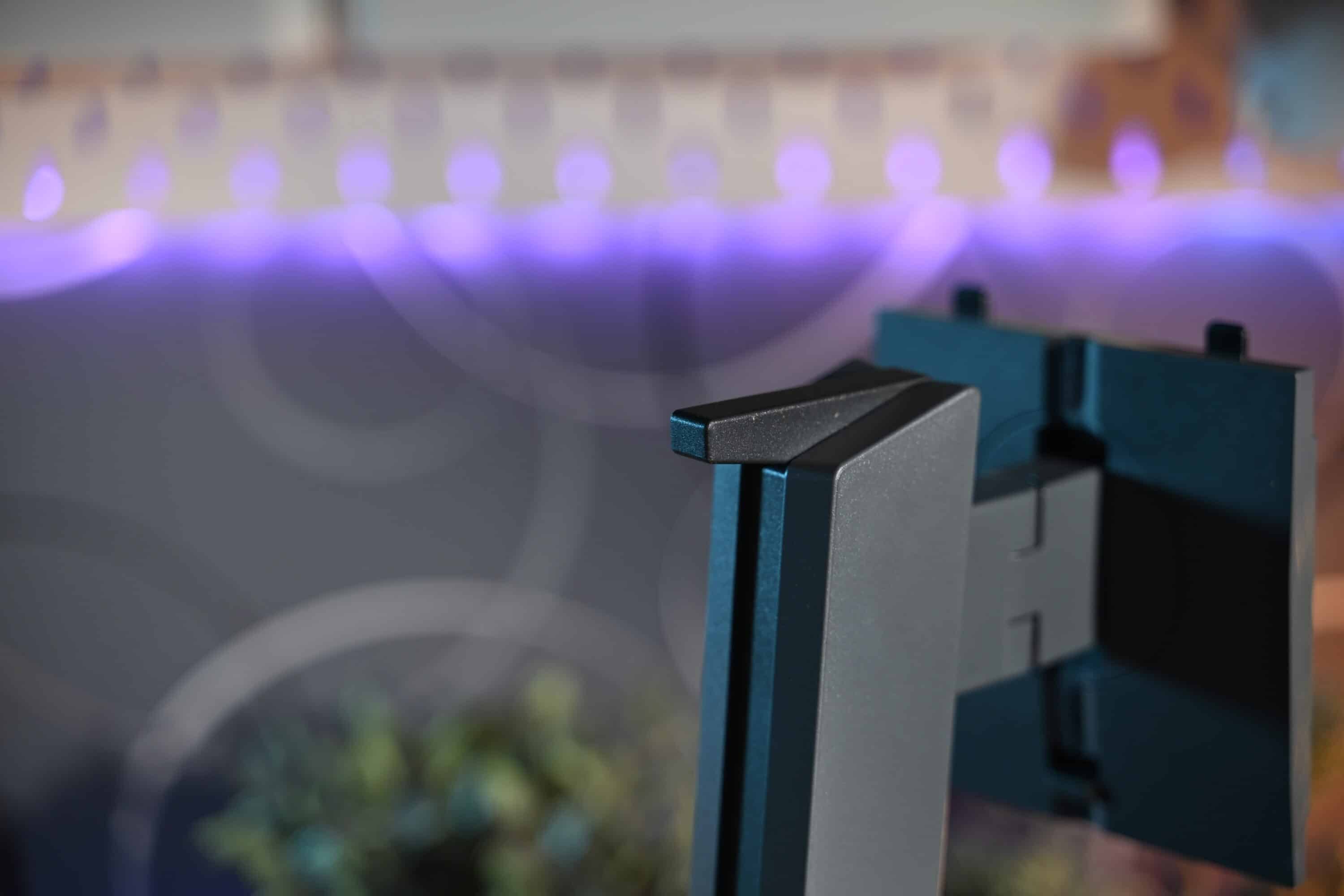
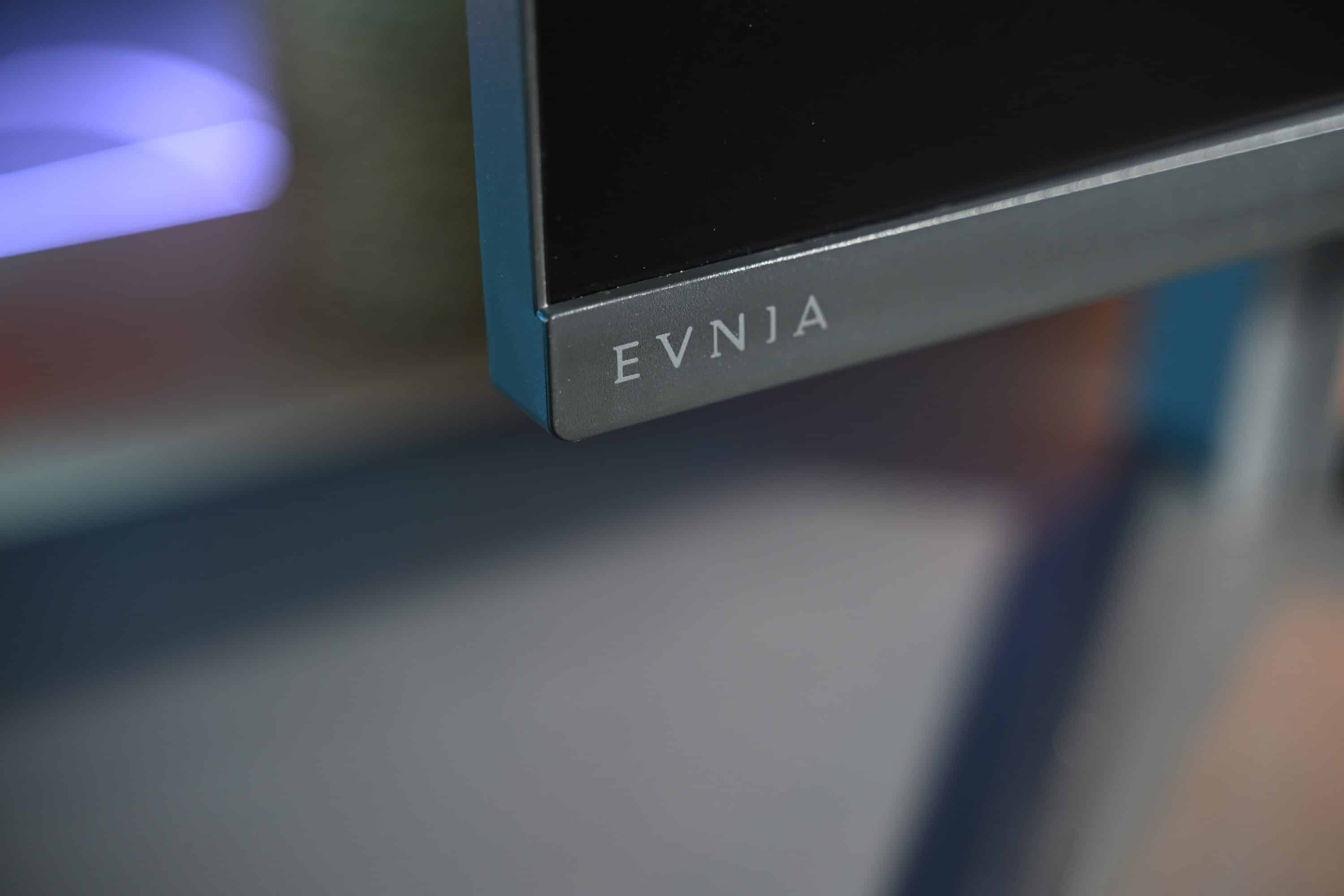
The Philips Evnia 25M2N5200U is inconspicuous. Classic black look, frameless on three sides. V-shaped stand, no RGB lighting. Instead, the manufacturer’s new esports gaming monitor focuses on the inner values.
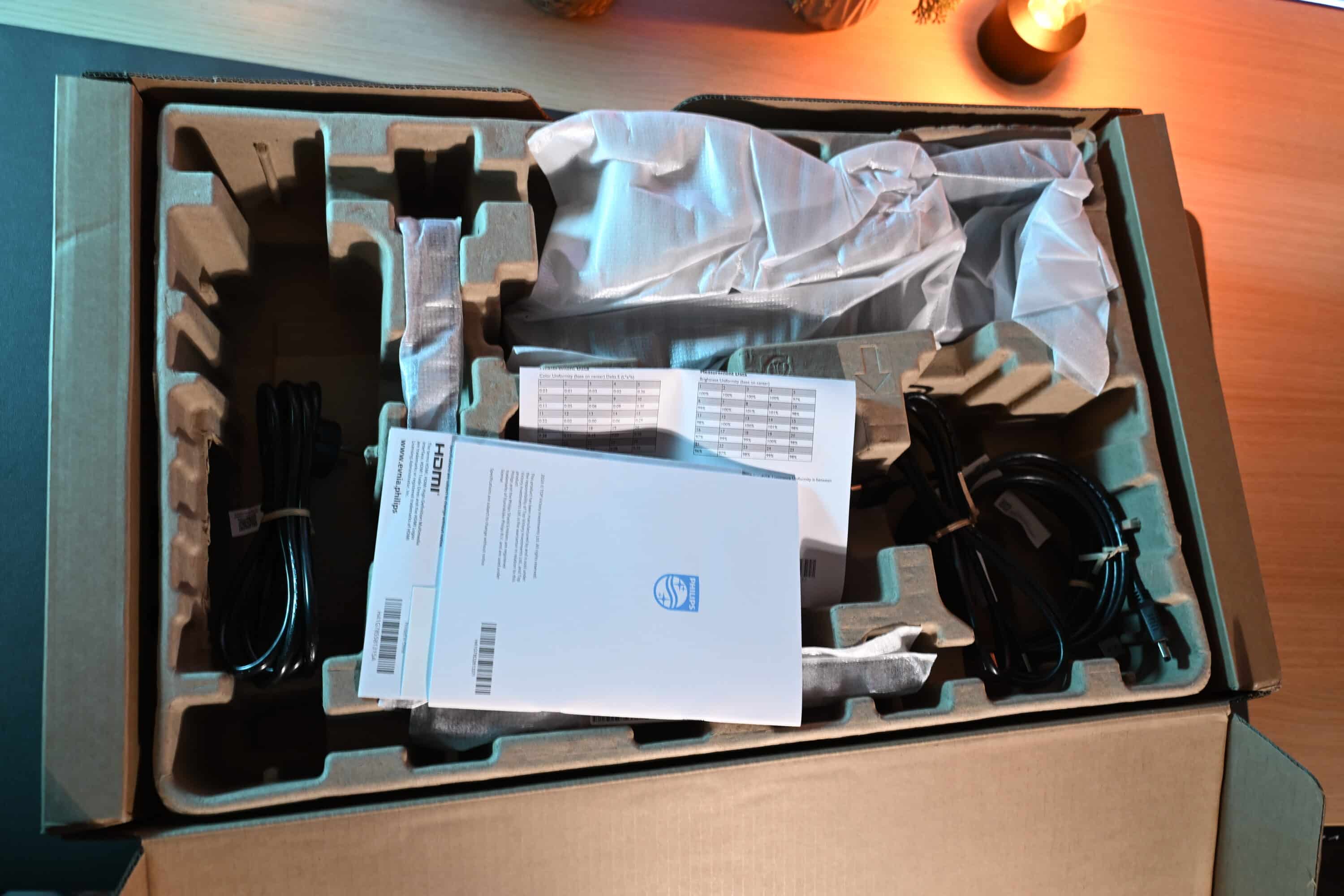
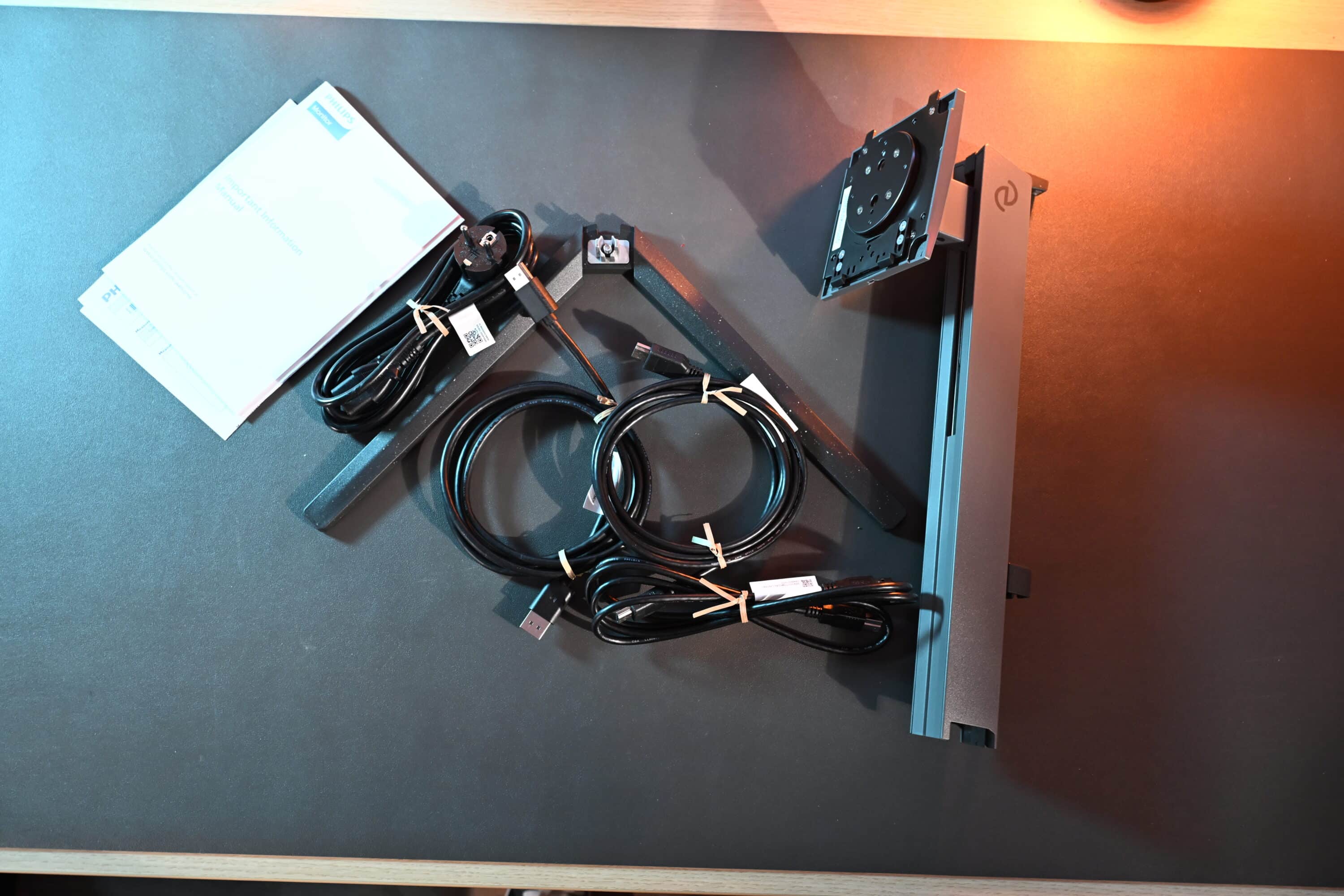
The 25M2N5200U arrives safely packaged at your home and is quick and easy to assemble without the need for tools. Simply screw on the stand and base, insert into the back and you’re ready to go. The manufacturer includes all the necessary cables in the scope of delivery. Commendable: In addition to an HDMI cable, there is also a DisplayPort strip, which is not often available.
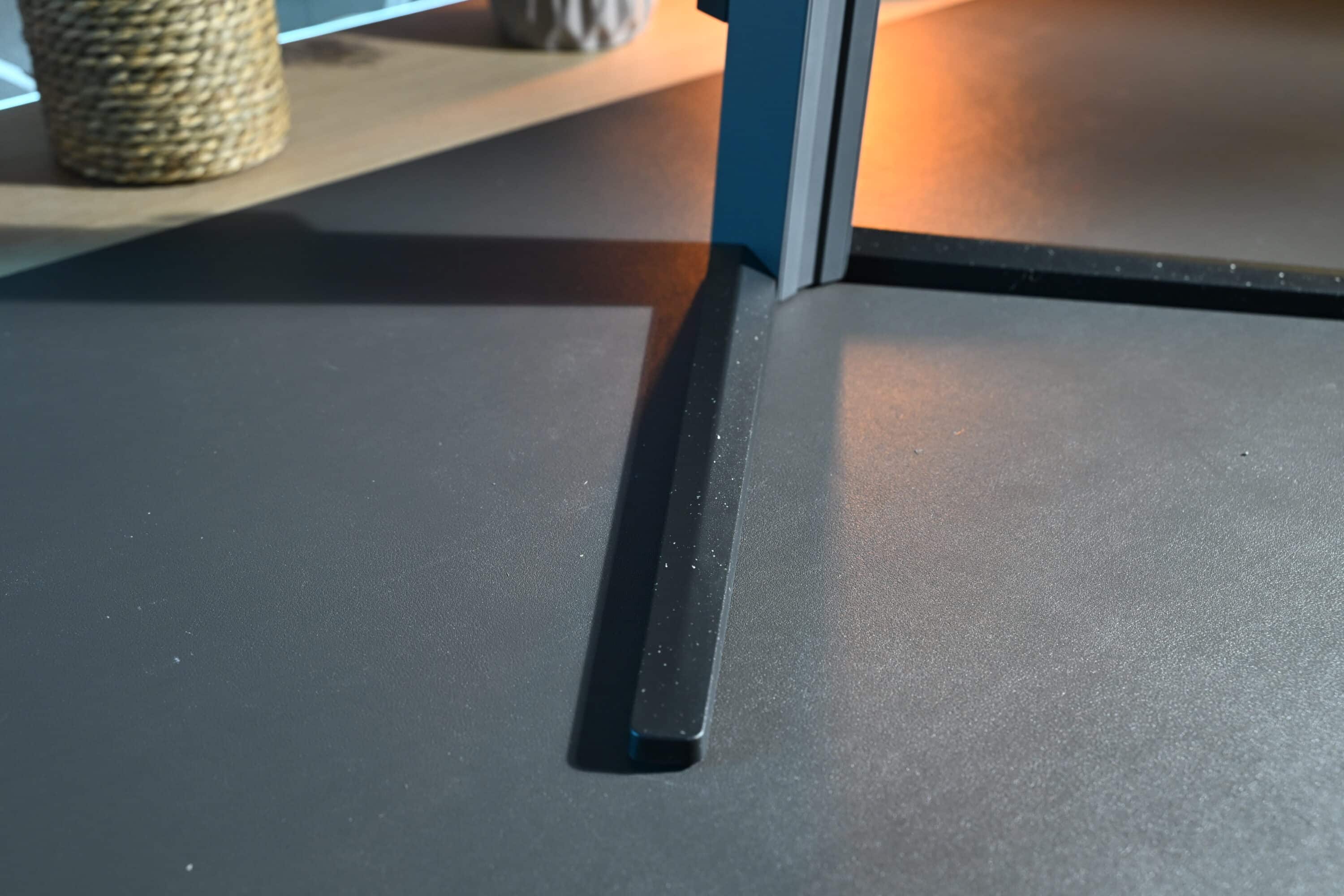
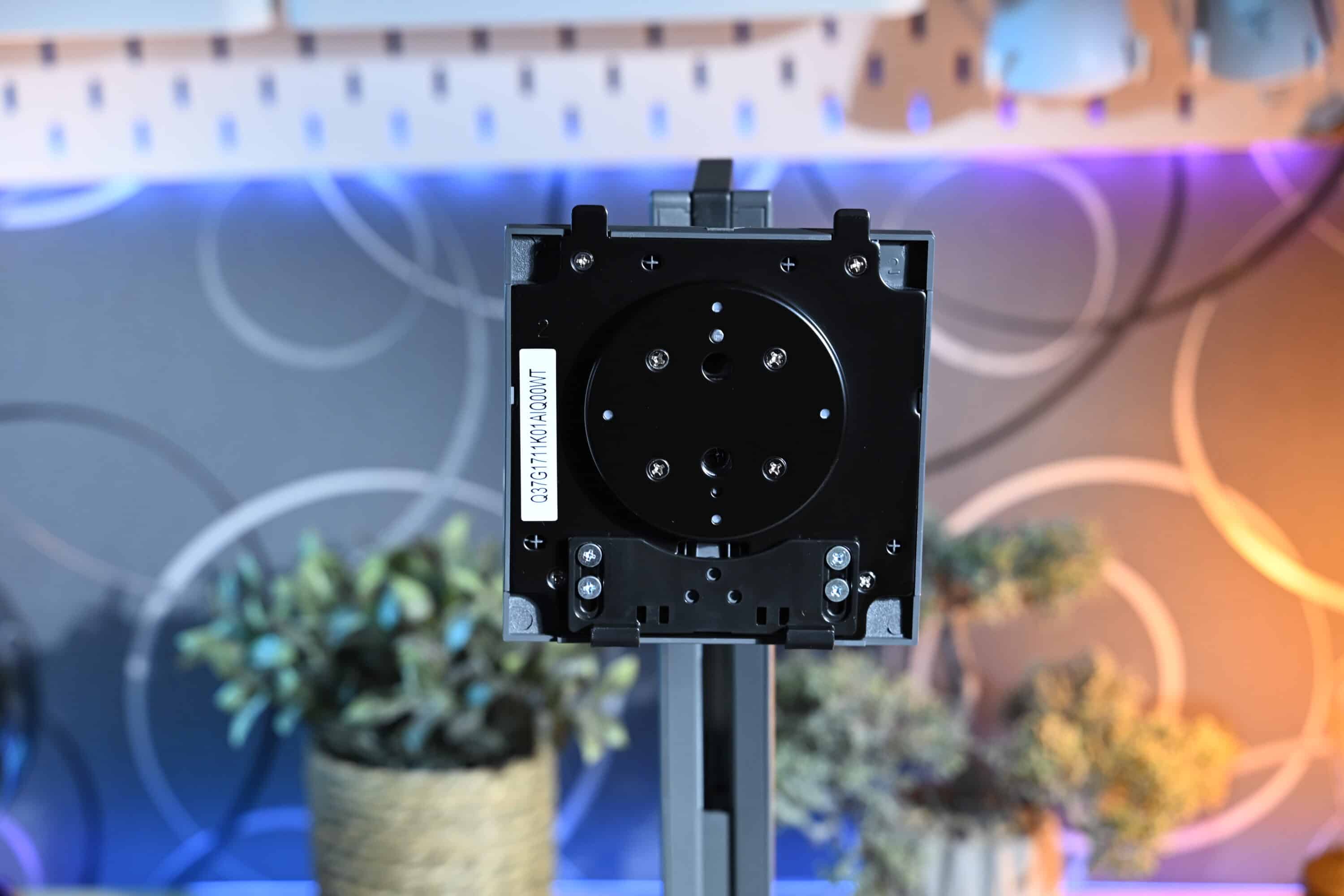
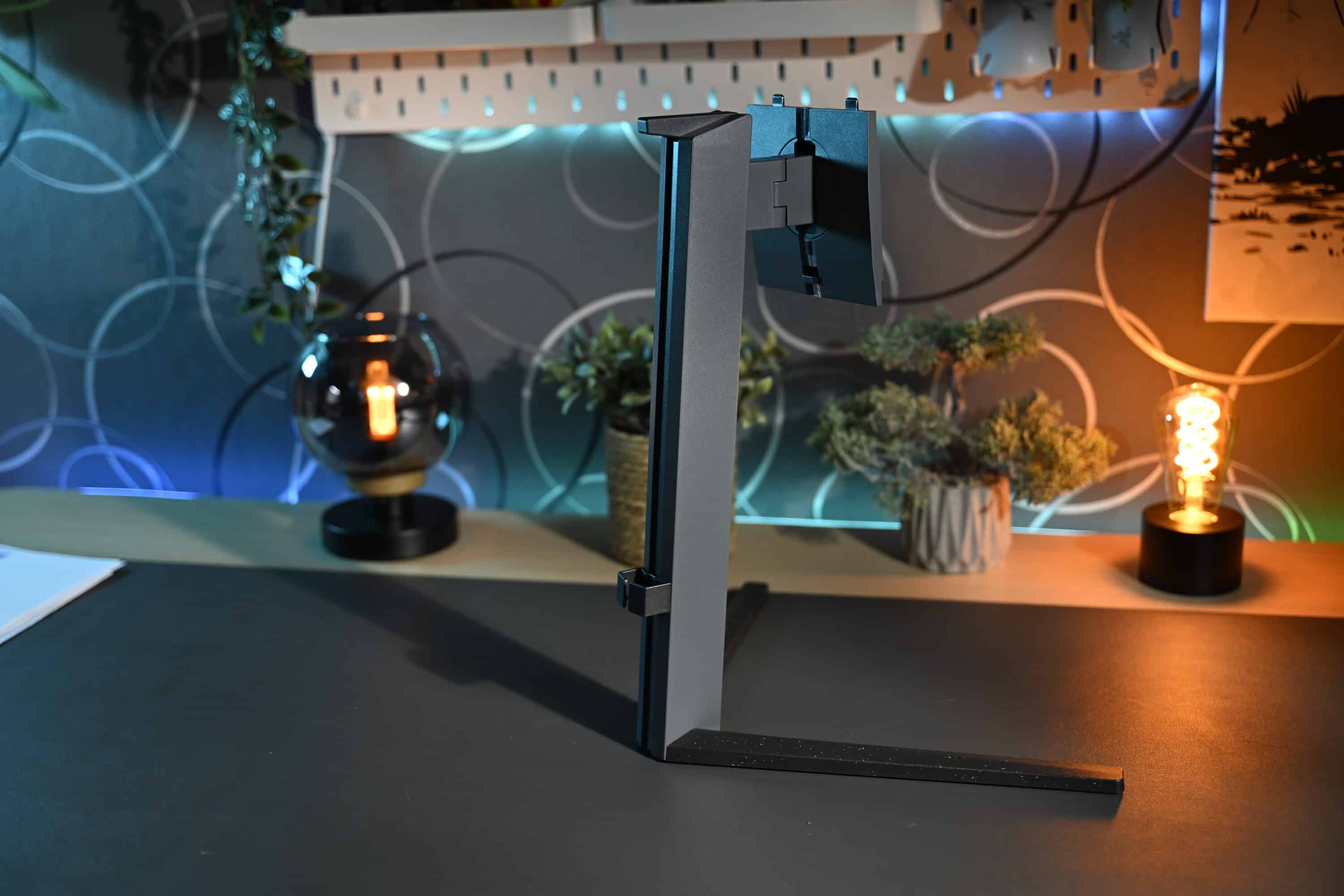
The monitor weighs around 5.09 kg with the stand, but can also be easily attached to a monitor arm without a stand using the VESA hole. The weight here is a comfortable 3.39 kg without the stand. The stand has a discreet headset holder on the back and a simple cable management system.
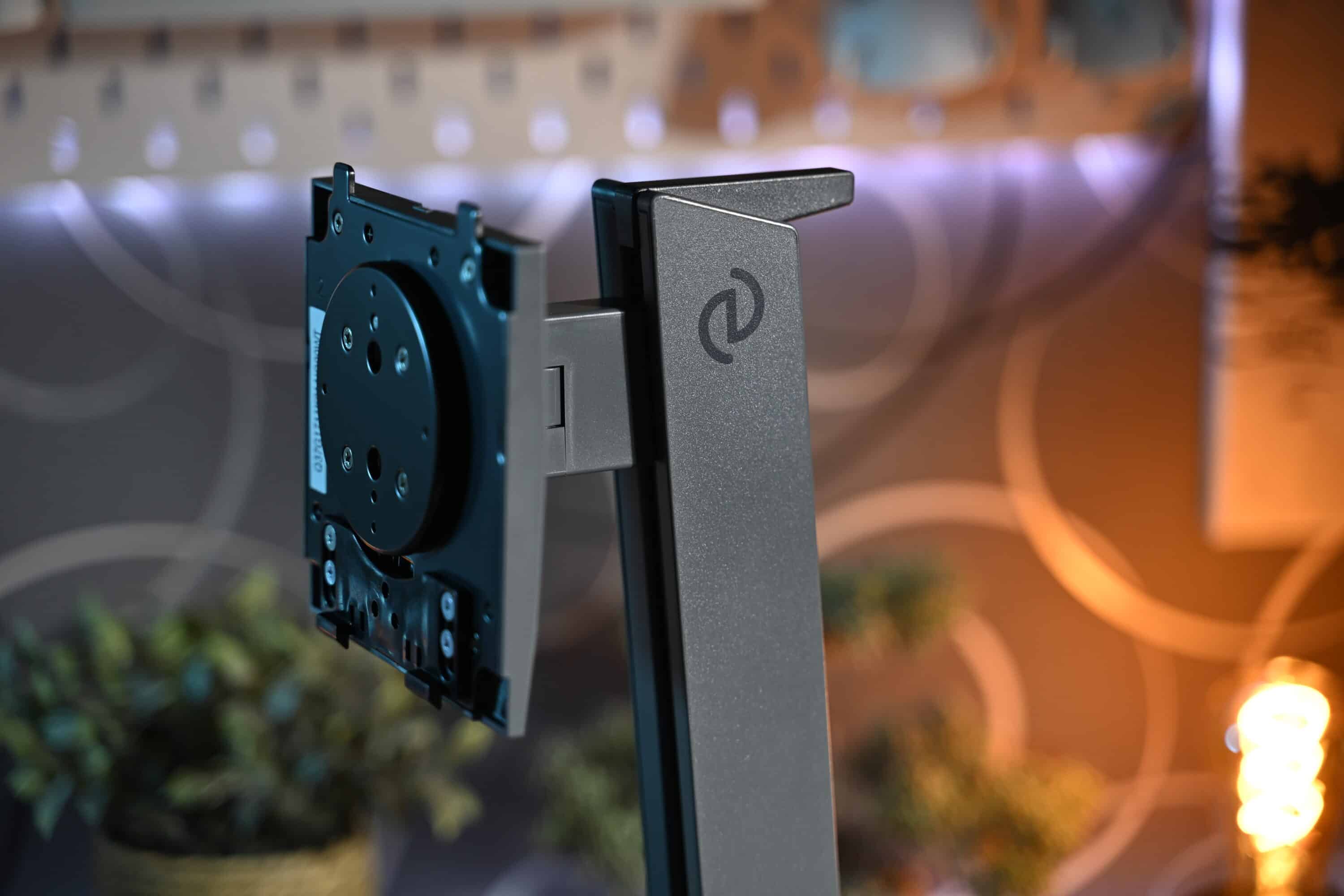
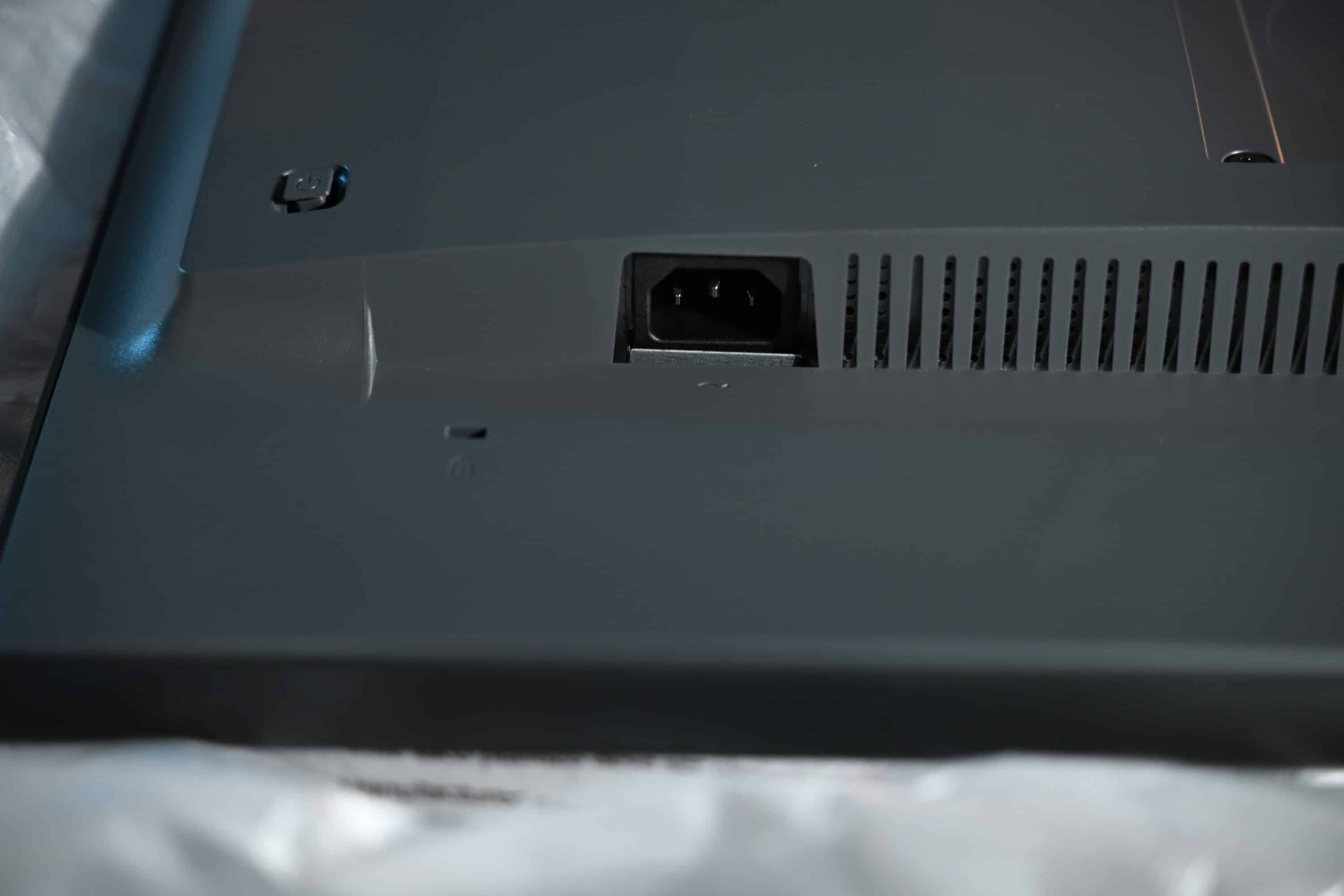
The power supply of the 25M2N5200U is integrated into the monitor, so only the power cable is led out from the back without a dedicated external power supply dangling in the air.
It offers a screen diagonal of 24.5 inches with a Full HD resolution of 1,920 x 1,080 pixels. However, the big highlight of the Philips Evnia 25M2N5200U is undoubtedly the frame rate, which is an impressive 360 Hertz. In overdrive mode, the monitor even reaches 390 Hz – perfect for competitive games.
Connections, features and operation
- Good connectivity
- great ergonomic options
- Many additional functions
In terms of connectivity, the Philips Evnia 25M2N5200U offers everything gamers expect: two HDMI 2.0 ports, a DisplayPort 1.4 and an integrated USB hub (4x USB-A, 1x USB-B up) enable a fast connection to consoles, PCs and peripherals. A maximum frame rate of 240 Hz is possible via HDMI and the full 390 Hz via DisplayPort.
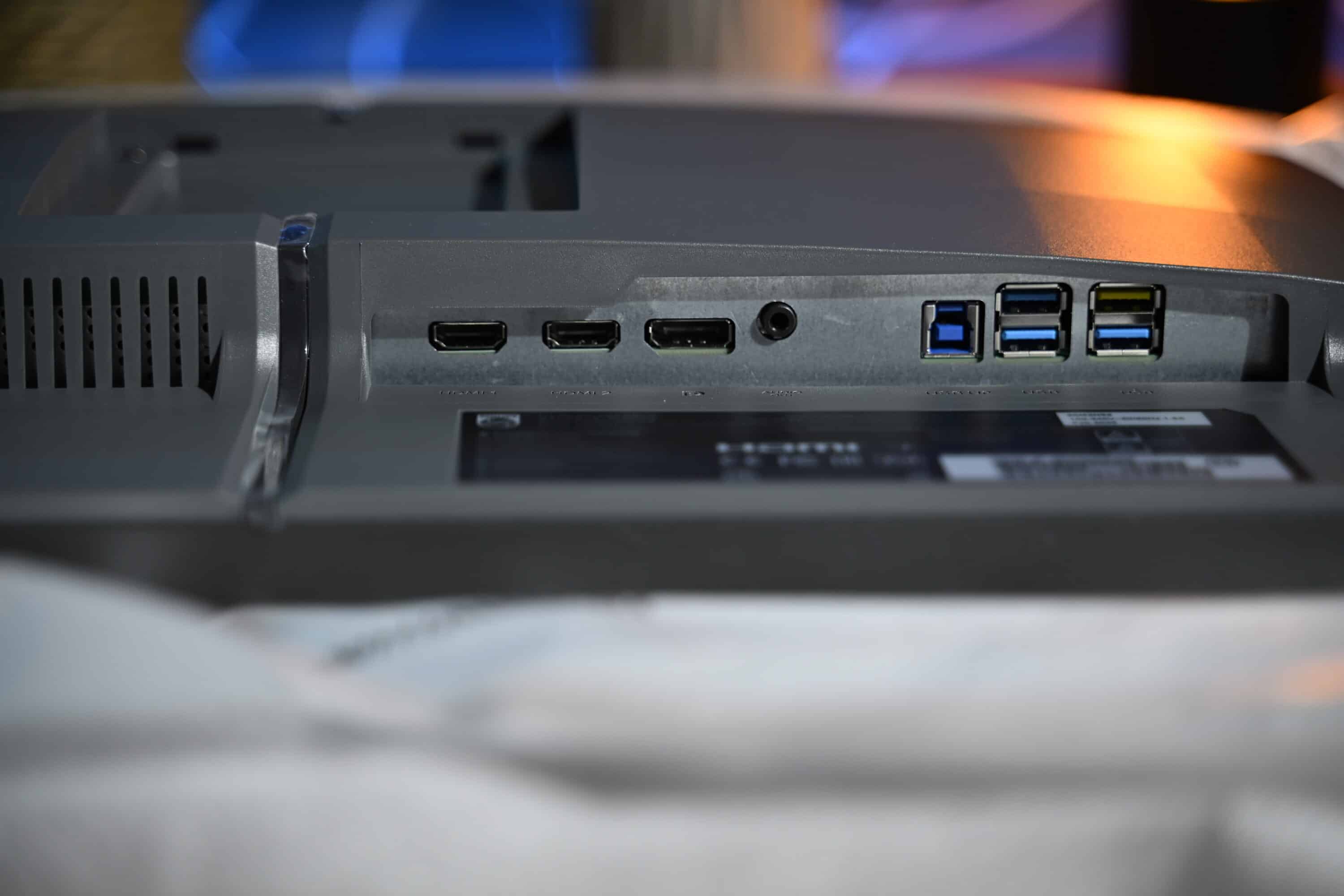
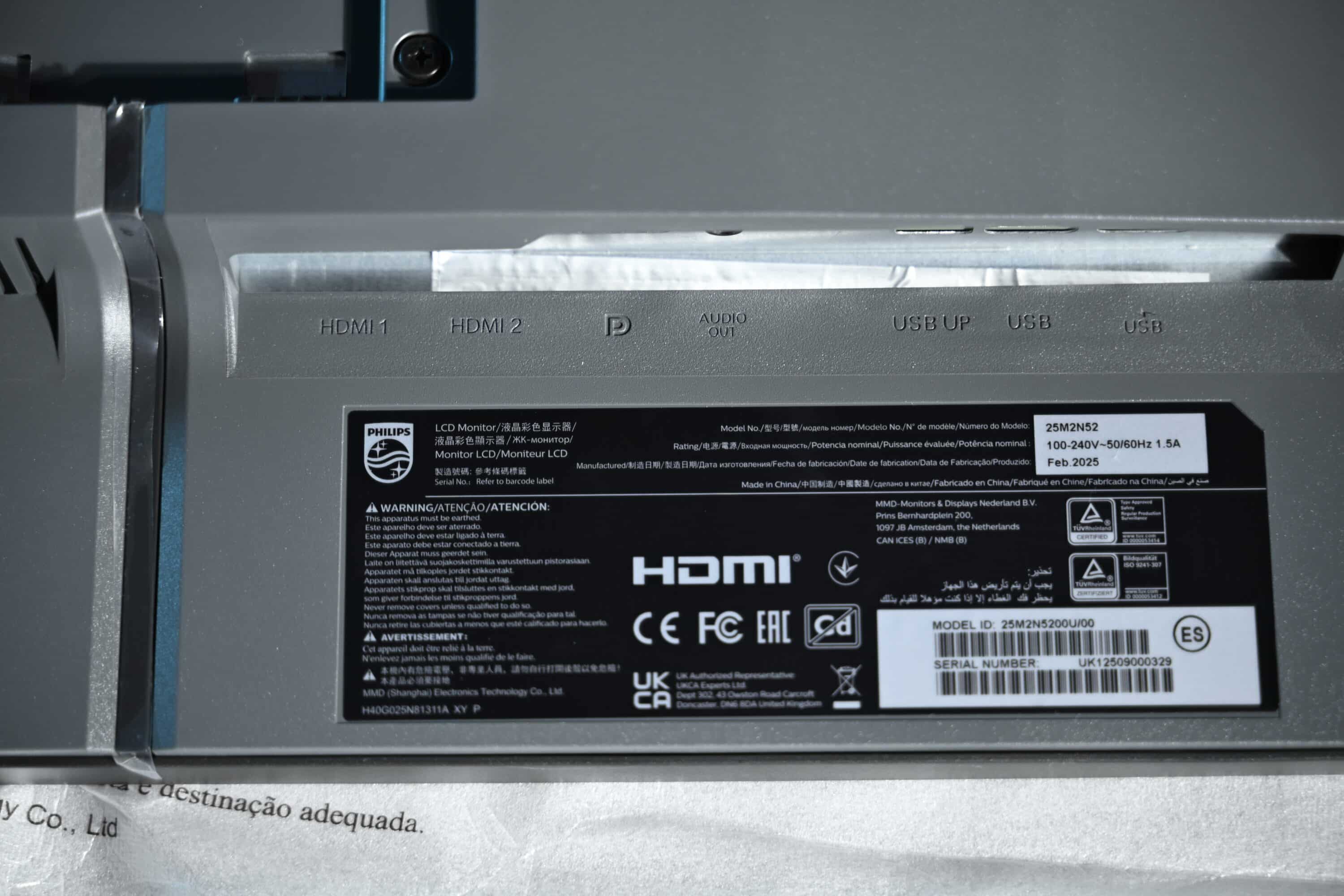
There is also a 3.5 mm jack input if you want to connect your headset directly to the monitor. Philips Evnia also provides the display with integrated speakers, which are not worth mentioning in terms of sound.
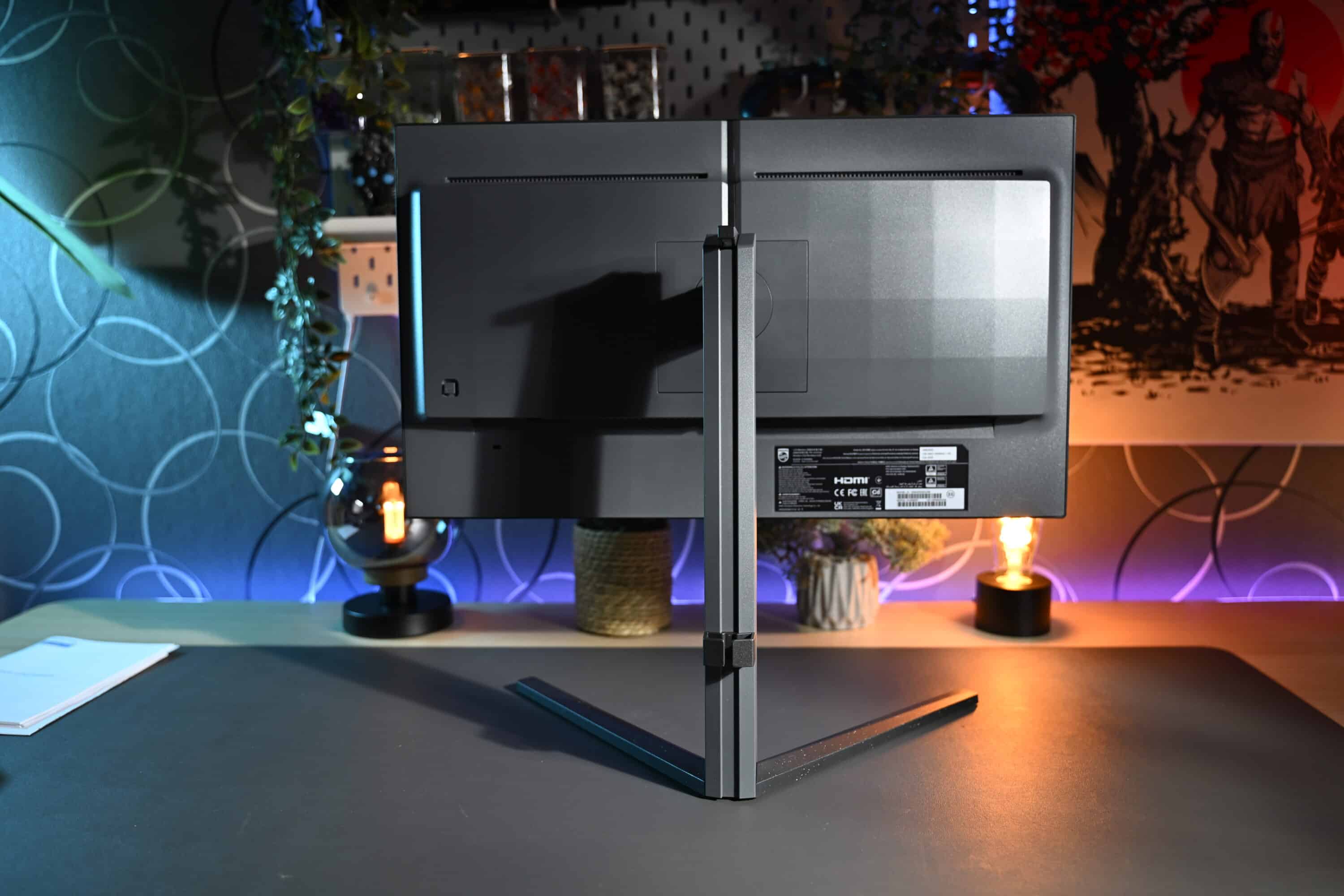
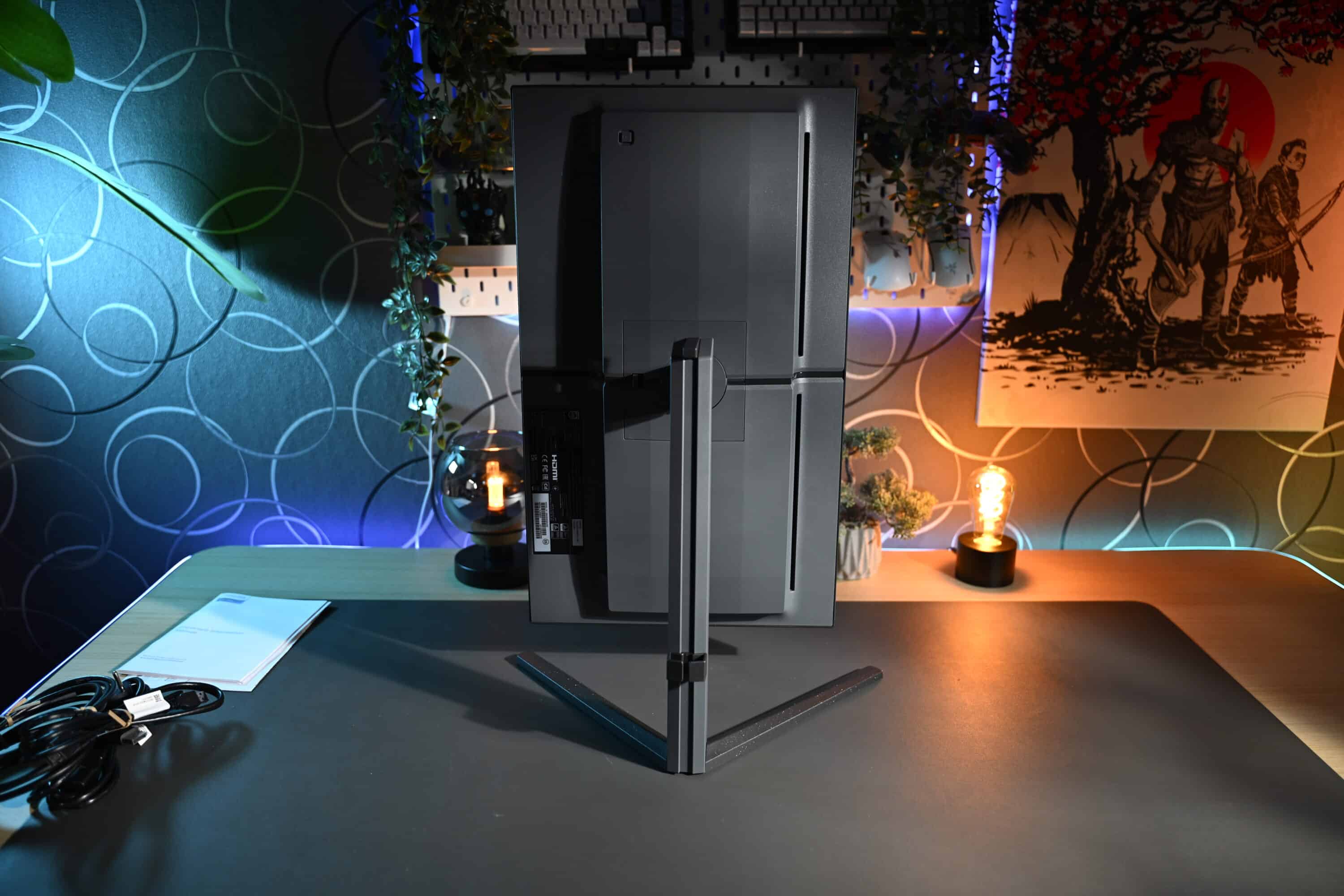
In terms of ergonomics, the monitor leaves nothing to be desired. The display can be rotated by -/+ 90 degrees, tilted by -5/+20 degrees and adjusted in height by 130 mm. There is also a pivot function to rotate the screen vertically.
It also offers familiar picture modes and technologies such as AdaptriveSync, EasyRead, SmartContrast, ShadowBoost or a LowBlue mode and FlickerFree. Thanks to Smart MBR, the monitor also achieves a response time of just 0.3 ms despite the Fast IPS panel, which is on a par with OLEDs. Gaming options such as a virtual crosshair (Smart Crosshair) or a shadow booster that brightens dark areas round off the overall package.
Operation and on-screen display
- Practical joystick
- flawless operation
- clear OSD
The Philips Evnia 25M2N5200U is operated via a clickable joystick on the back, which is very easy to reach and allows precise control. Hold it down to switch the monitor on or off.
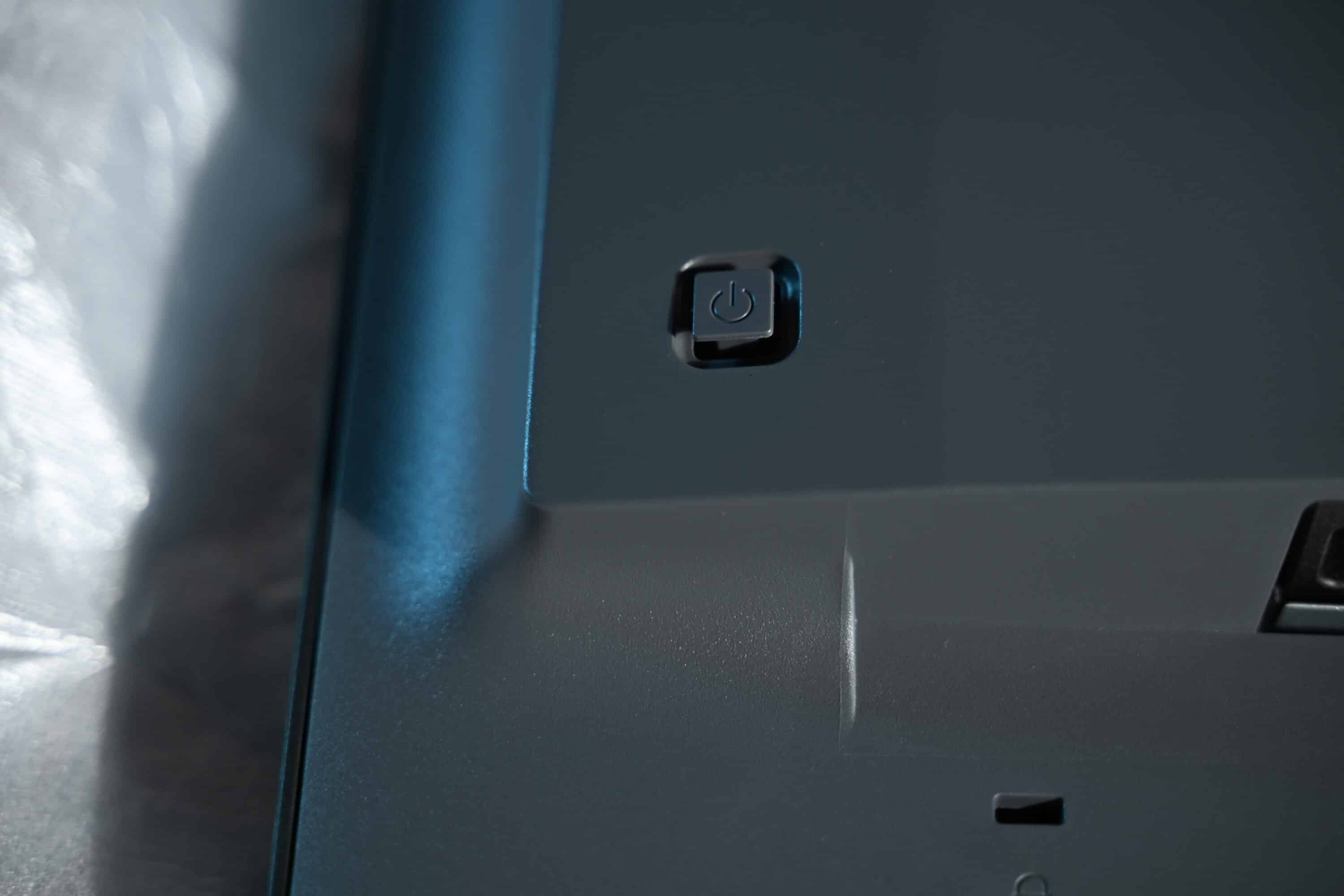
Pressing it opens the on-screen display (OSD), where you can make various settings. From brightness and contrast to sharpness and overdrive, absolutely everything can be adjusted here in a clearly structured and easy-to-understand interface.
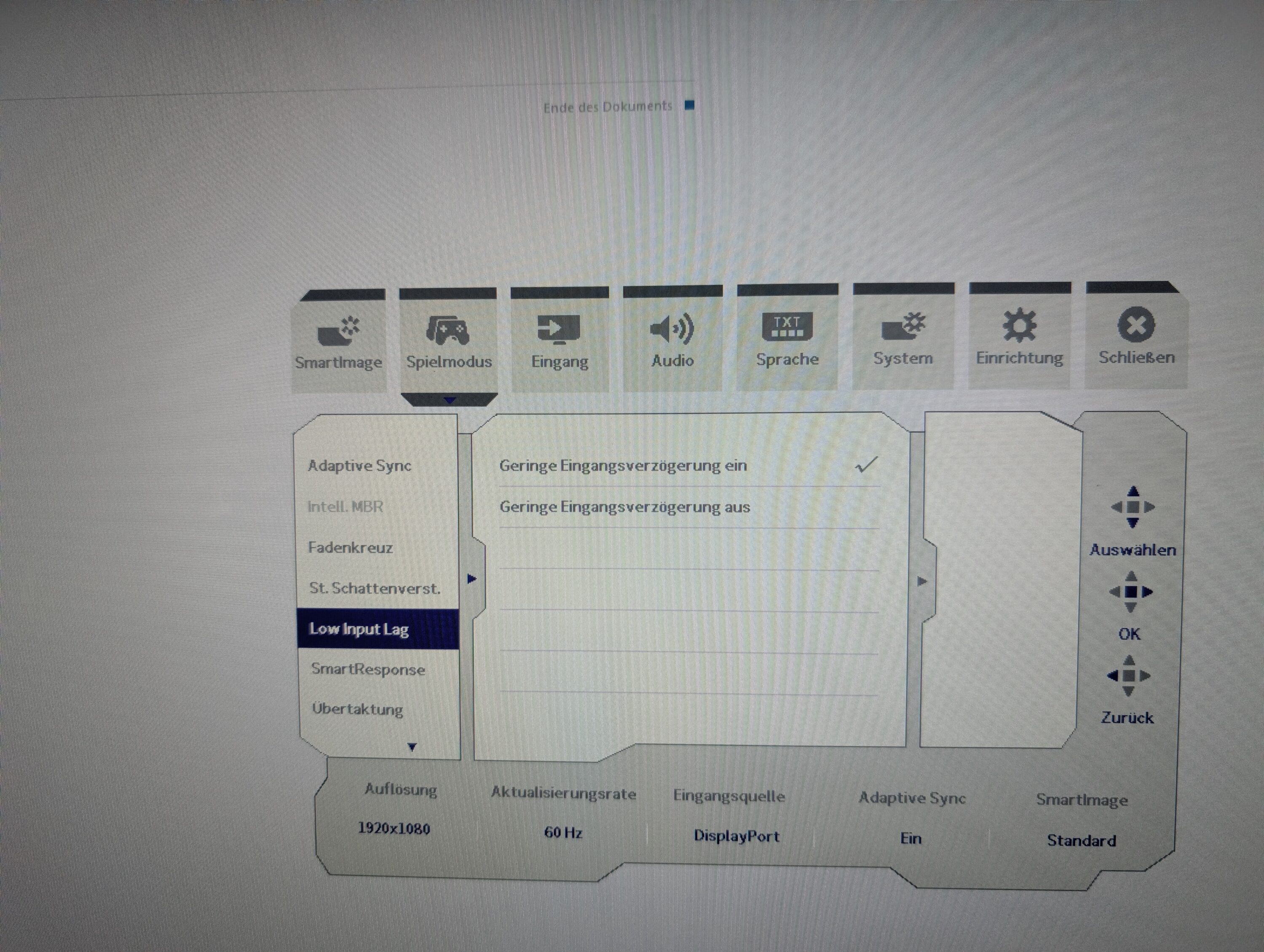
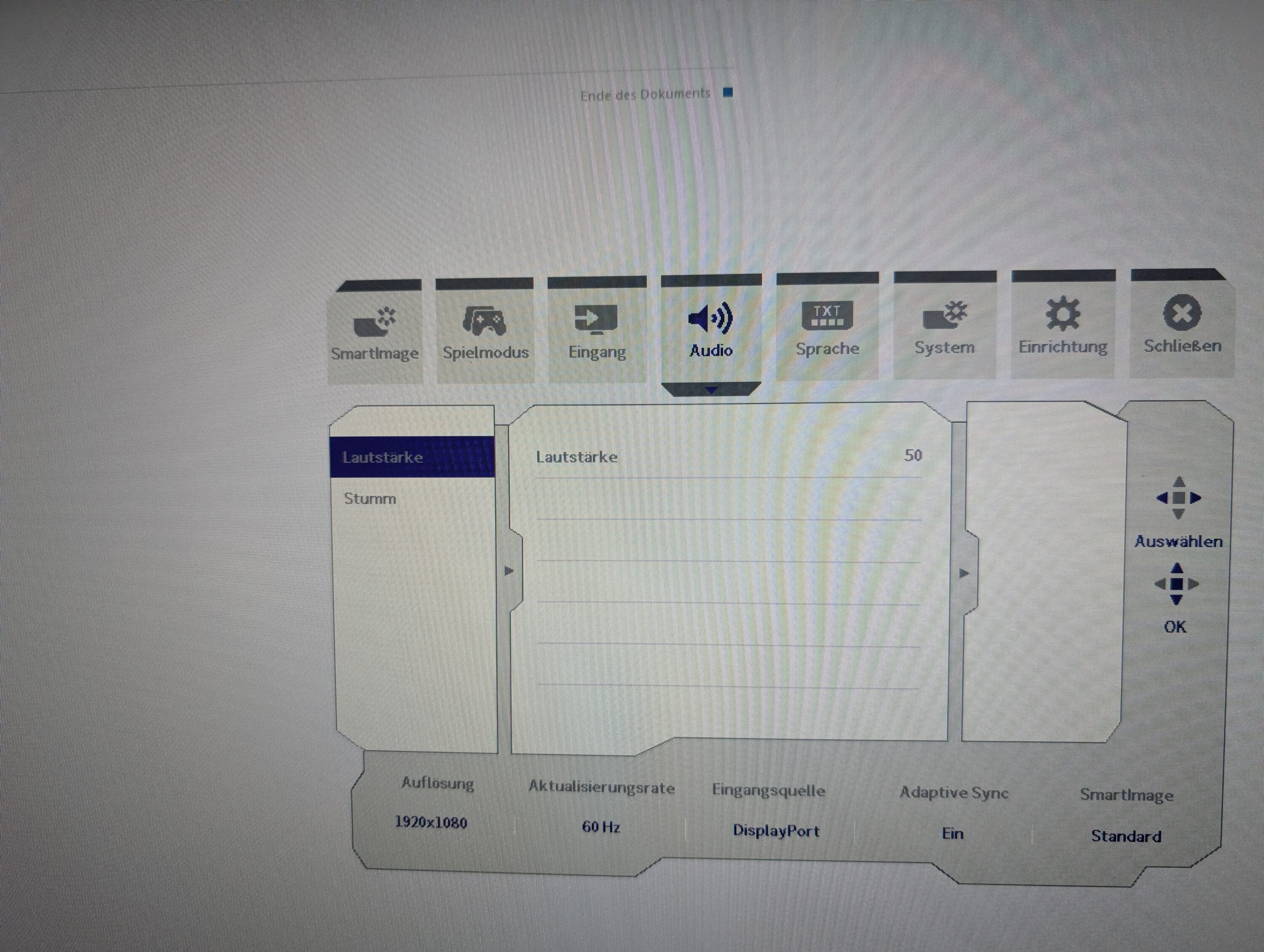
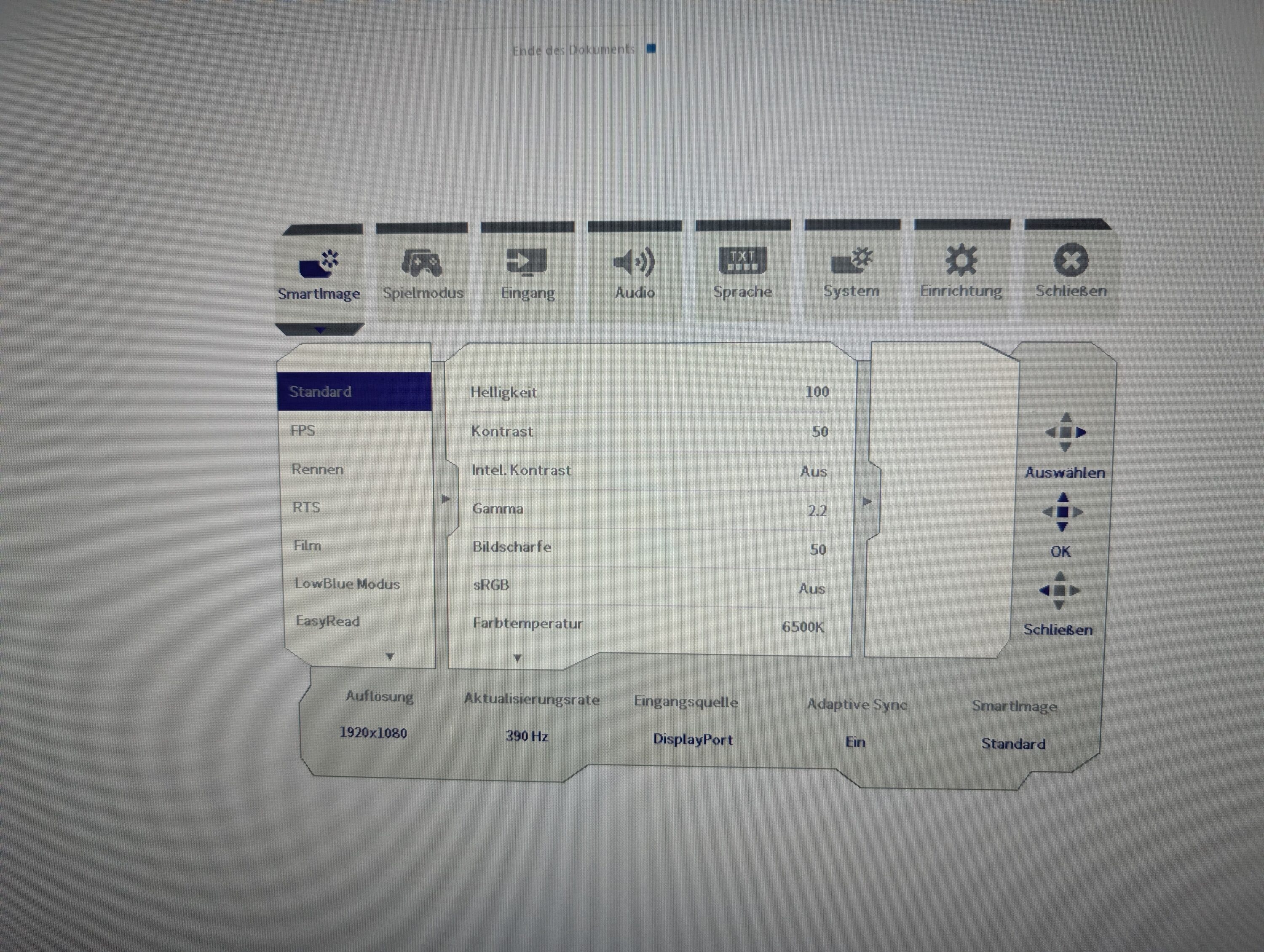
Various picture modes are also offered, which are specially adapted to different genres such as first-person shooters or racing games, as well as films, texts and much more.
Practical test and picture quality
- Impressive picture quality
- Sharp, detailed picture
- best results at a maximum of 300 Hz
1080p, 360 Hz and on 24.5 inches: The Philips Evnia 25M2N5200U should appeal to competitive gamers, who will undoubtedly get their money’s worth with the matte Fast IPS display. The low input lag stands out positively, which is a decisive factor in competitive shooters. Mouse and keyboard inputs are implemented accurately with almost no delay.
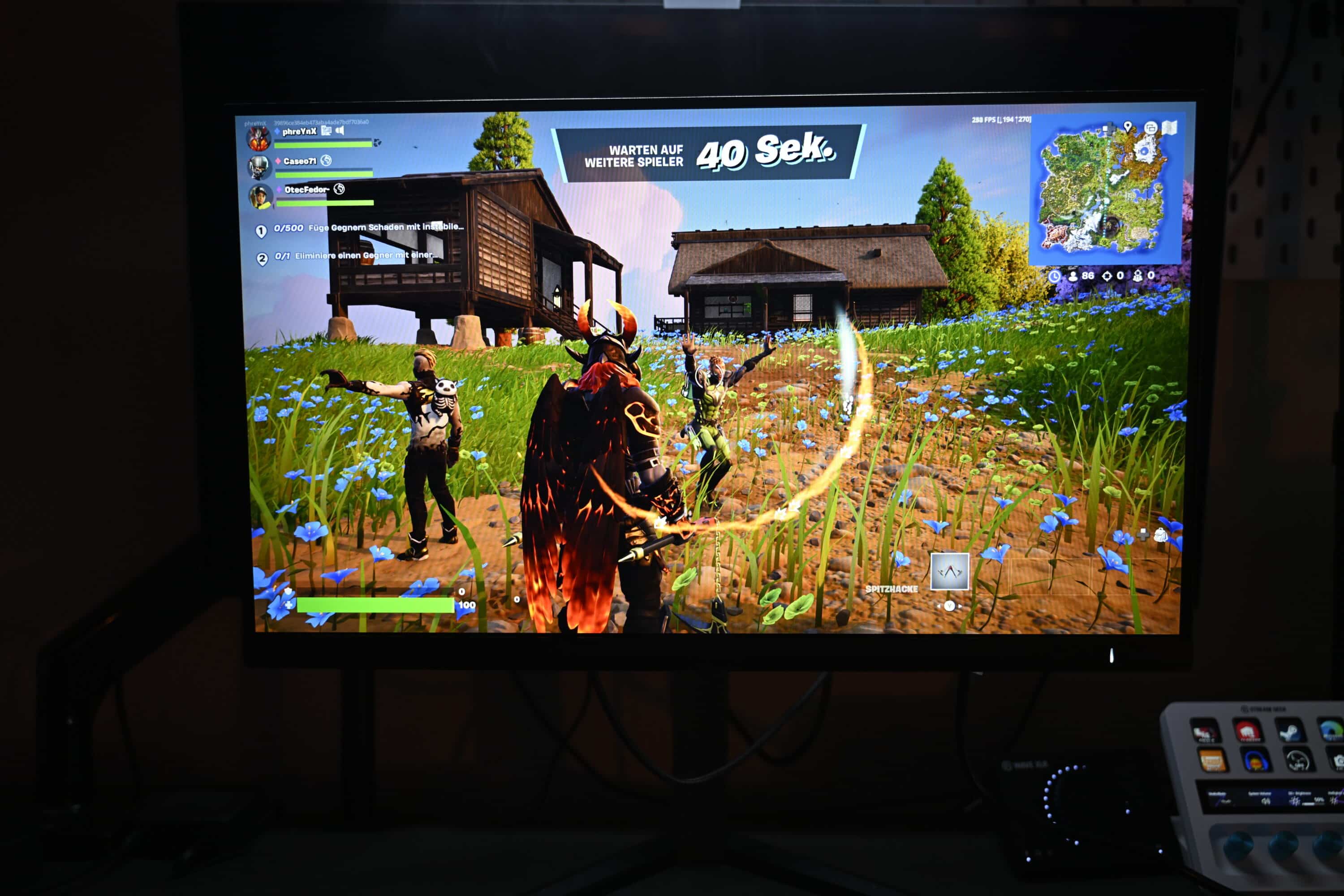
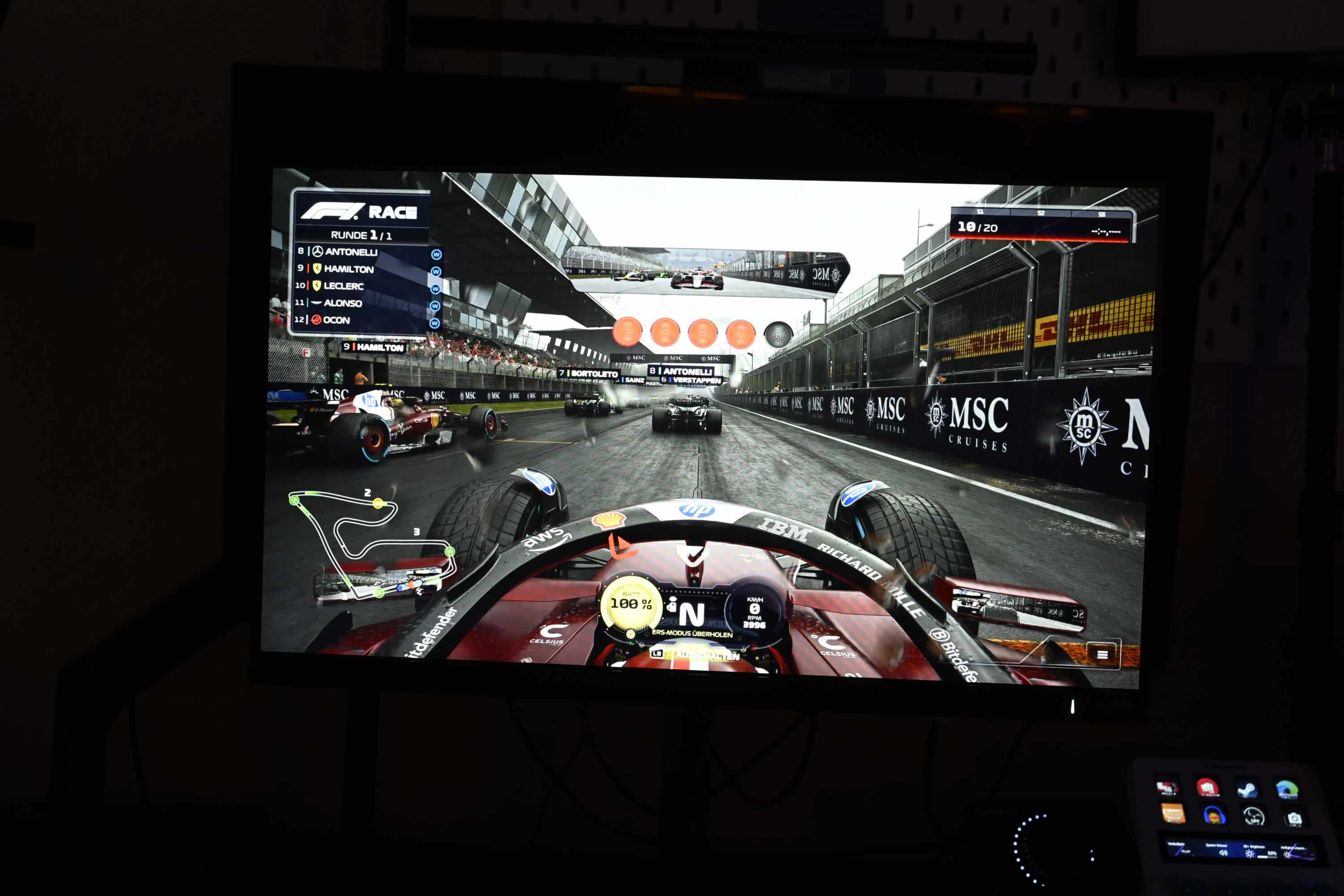
The same applies to the response time of 1 ms when switching from gray to gray. The Smart MBR function also does a great job of negating blurred images and motion blur.
On the fastest overdrive setting, however, the picture quality decreases noticeably. In my opinion, the sweet spot is “Fast”, which provides the best compromise between speed and picture quality. The monitor also achieves the best results if you set the frame rate to 240 Hz – 300 Hz.
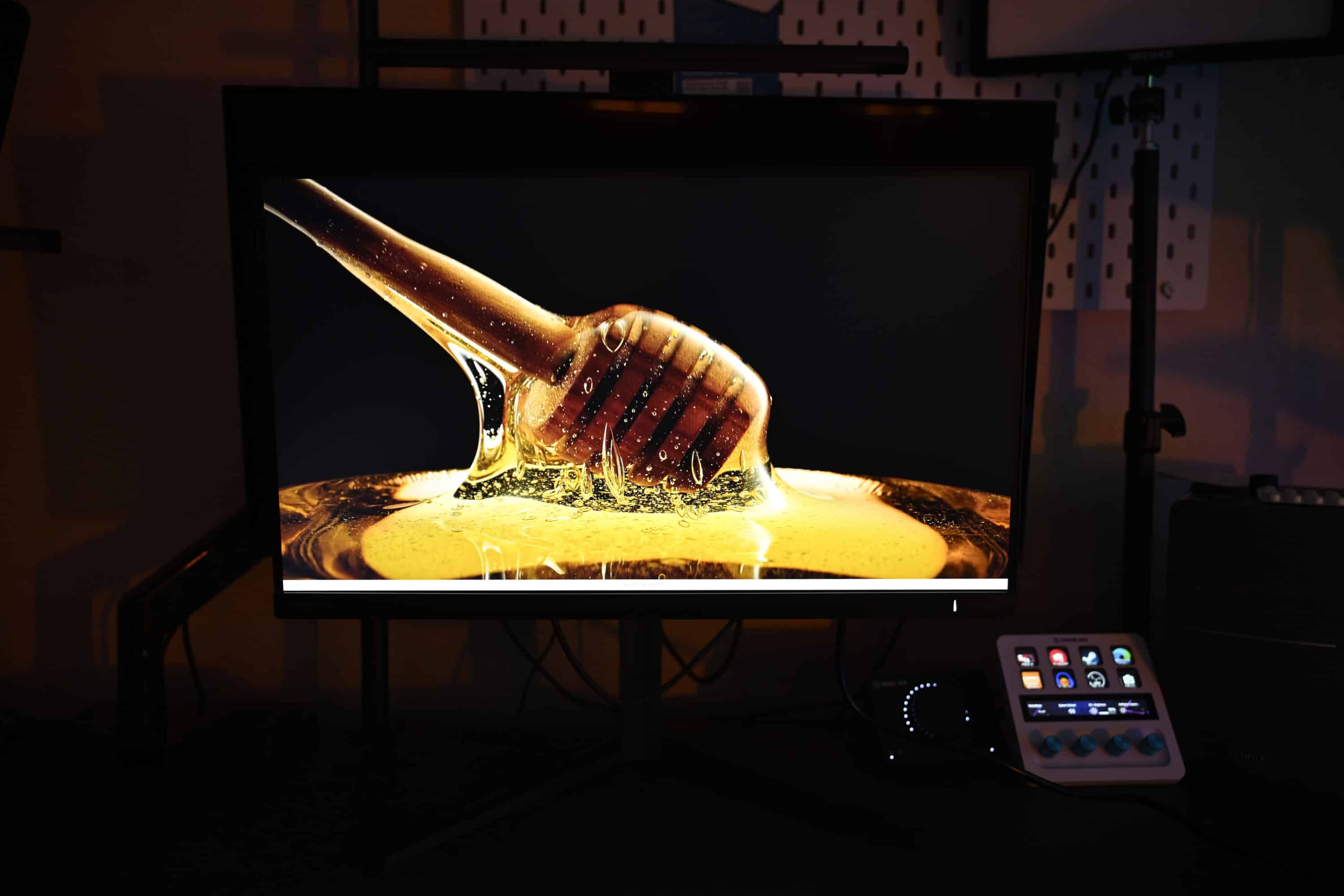
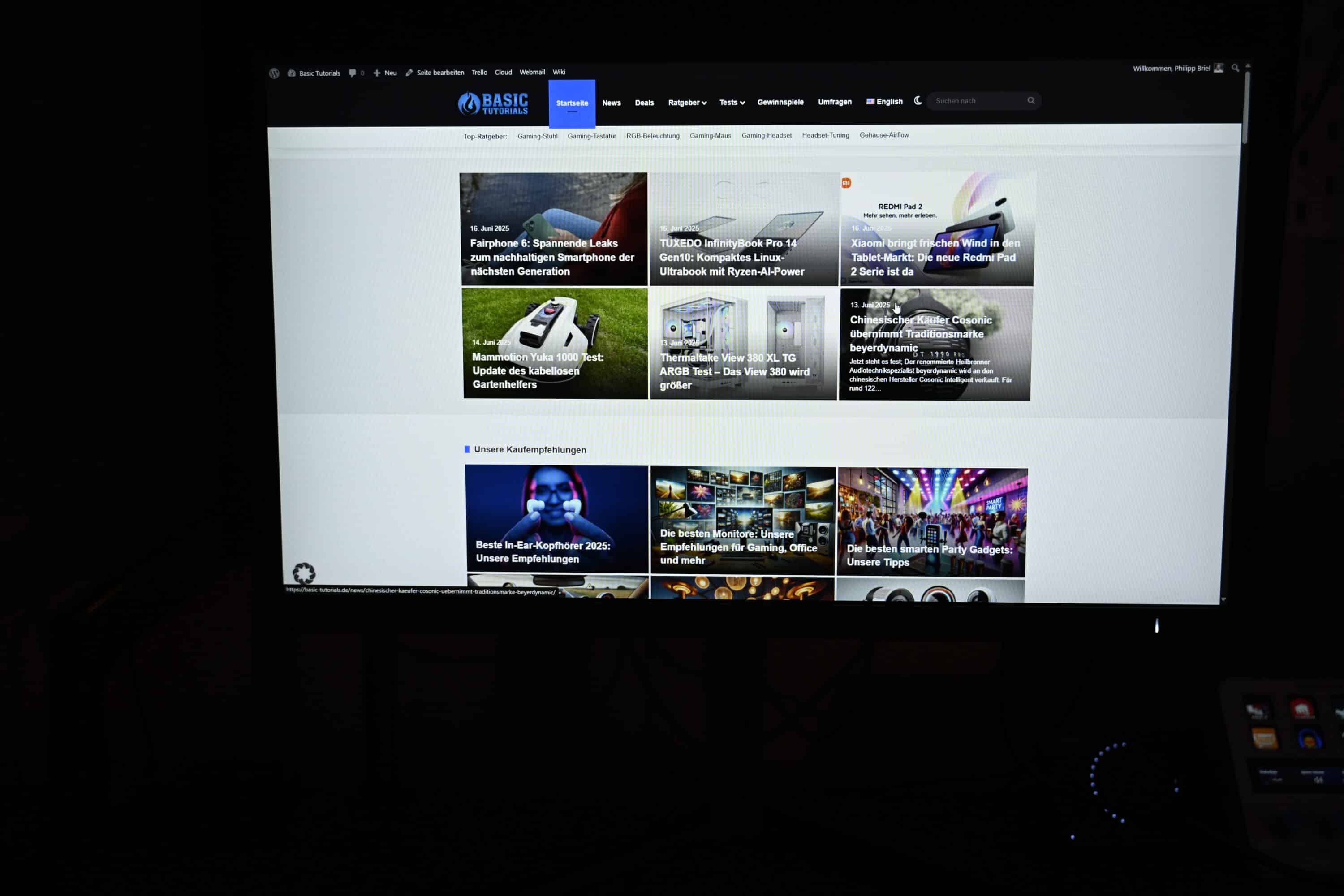
The picture is very uniform without too many halos or errors. According to the manufacturer, the monitor achieves a maximum brightness of 400 nits, which earns it DisplayHDR 400 certification. However, I found the picture a little too dark in some scenes at the maximum level and would have liked a few more nits.
Nevertheless, the Philips Evnia 25M2N5200U can handle HDR signals and delivers really good contrasts and colors for an IPS panel, despite DisplayHDR 400. Various HDR modes can also be selected in the OSD. DisplayHDR also delivers the best results here.
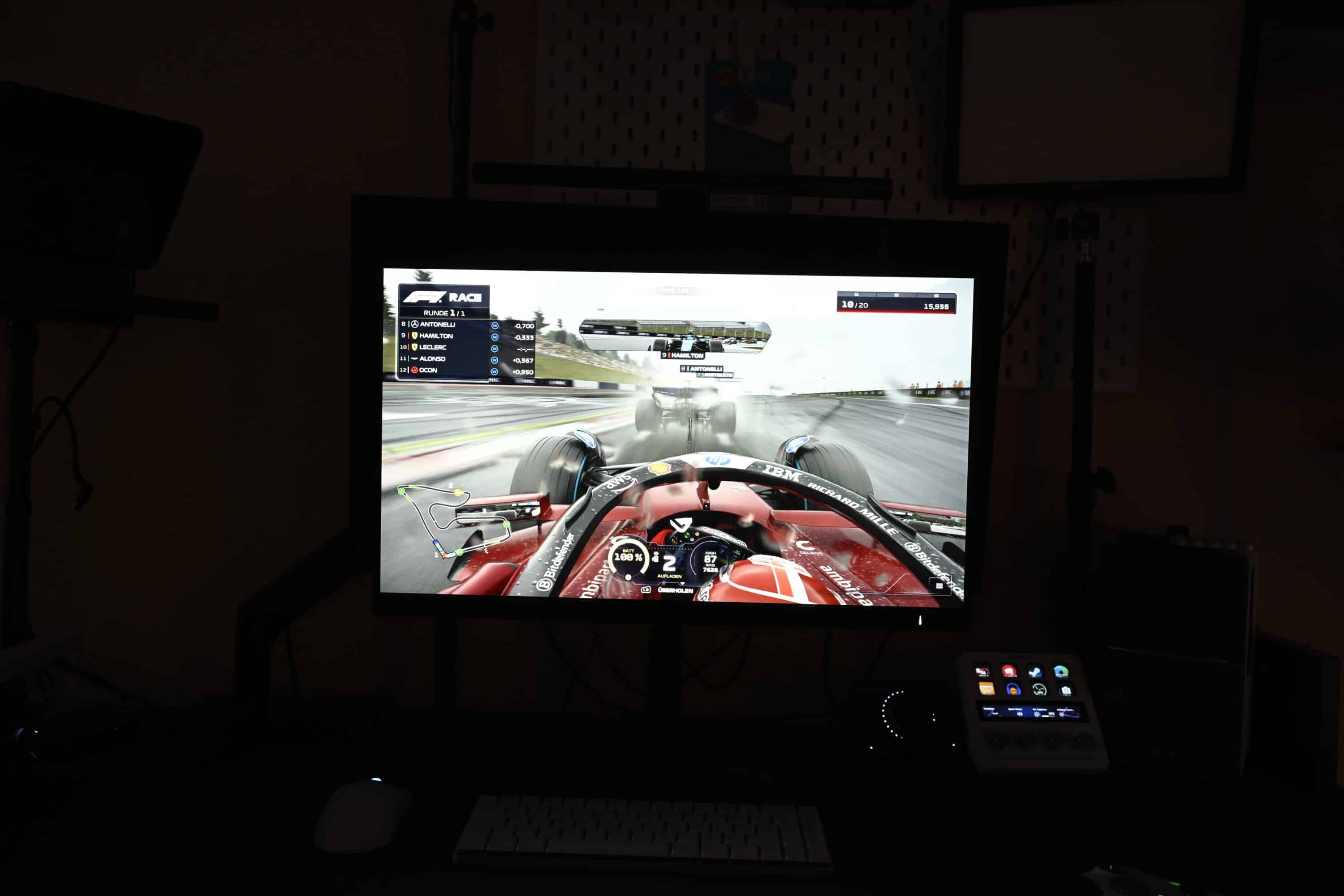
All in all, I liked the picture quality of the 25M2N5200U very much in practice. However, it is noticeable that the picture clearly shows color and brightness deviations, especially towards the corners. This should also be confirmed in the lab test.
And yet: the Philips Evnia plays to its strengths in fast-paced shooter and racing games in particular and impresses with a fast, detailed and high-contrast picture. However, the picture quality also decreases noticeably at values above 300 Hz.
Lab test of the Philips Evnia 25M2N5200U
As always, I took a look at the Philips Evnia 25M2N5200U in the lab. I used the Datacolor SpxerX Elite to put the monitor through its paces. I tested the monitor in the standard settings. If you tweak the settings yourself, you can significantly improve some of the values.
The first thing that stands out is the somewhat poor color space coverage. In standard mode, the monitor only covers 105% of the sRGB and 78% of the DCI-P3 color space, which does not quite meet the manufacturer’s specifications. It is therefore only suitable for color-critical work to a limited extent.

However, the color fidelity is quite convincing: With the exception of the cyan display, it is at a good level and has an average Delta E value of 1.16.

The monitor maintains the gamma curve, here exemplified for gamma 2.2, excellently. However, you can set various values in the OSD to influence the picture quality.

However, it does not quite achieve the full contrast of 1,000:1 in the test, but with a measured 437.7 nits it is above the manufacturer’s specification in terms of brightness.

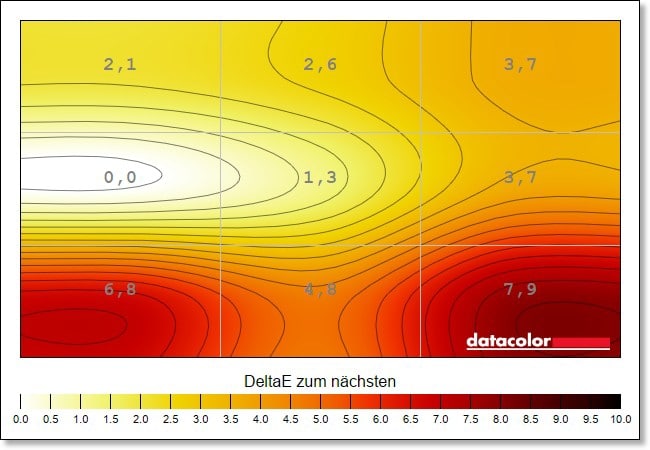
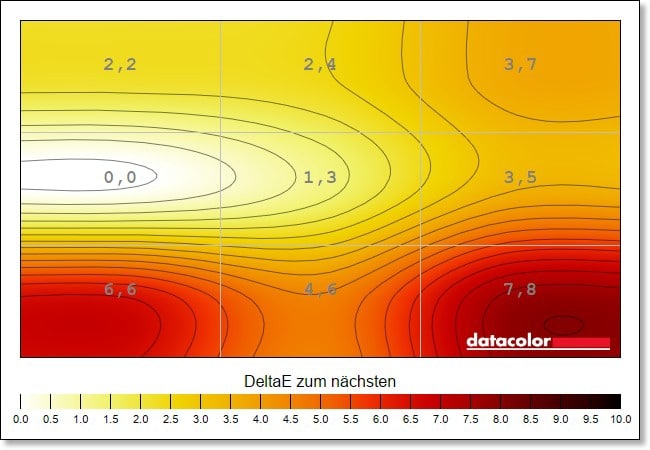
The aforementioned deviations in color accuracy are evident in the color homogeneity test. Differences of up to Delta E 7.9 at maximum brightness can be seen in the bottom right and left corners in particular, which are extremely high deviations. At 50 percent brightness, the deviations are significantly lower.
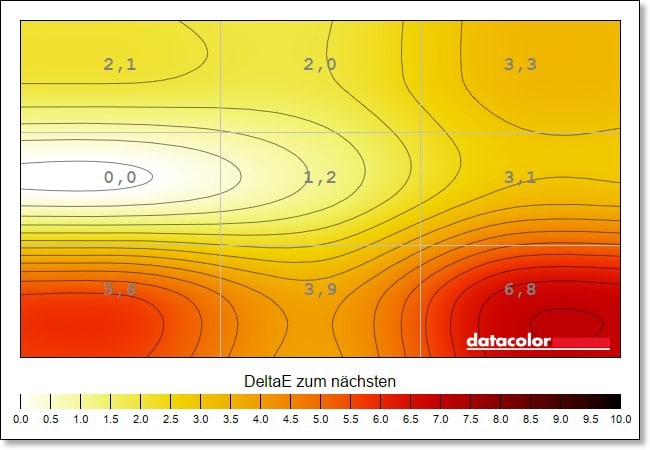
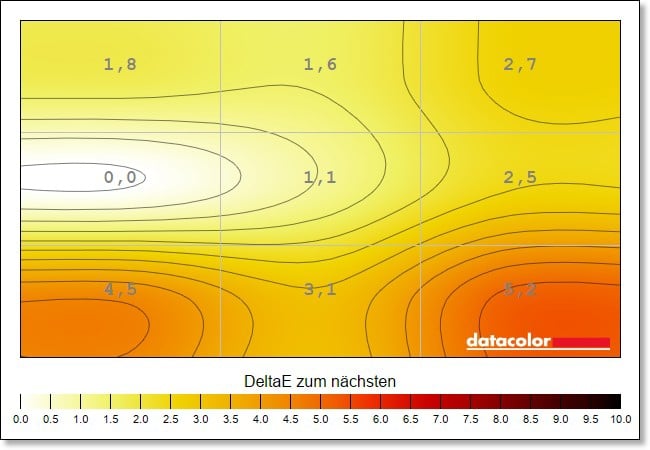
The luminance homogeneity is at a good level. It hardly makes a difference here whether you set the monitor to 100 percent or 50 percent. Although the deviations here are also quite high at up to 18% (also bottom right), these values are quite normal for an IPS panel. Nevertheless, I would have liked a higher accuracy here, also in view of the price.

Philips Evnia 25M2N5200U Review: Conclusion
The Philips Evnia 25M2N5200U is undoubtedly an interesting option for competitive gamers looking for a fast monitor in a compact design. The display achieves a frame rate of 390 Hz in overdrive mode, although the best results are achieved at values between 240 Hz and 300 Hz.
The monitor then impresses with a colorful, high-contrast, fast picture in Full HD quality, almost non-existent input lag and a good HDR display.
At 360 Hz or even 390 Hz, the picture quality decreases noticeably and this is exactly where the Philips Evnia 25M2N5200U loses most of its potential, because considering the (still) comparatively high price, there are alternatives that perform just as well at 240 Hz.
One of the best alternatives is the sibling model in the form of the Philips Evnia 25M2N3200W, whose VA panel achieves a maximum of 240 Hz, but which costs less than half as much. And yet: if you want to game in 1080p at 300 Hz or more and are willing to pay a premium for it, the Philips Evnia 25M2N5200U is undoubtedly an interesting option.

VORTEILE
- Great color reproduction
- Good HDR display
- Up to 390 Hz
- Low input lag
NACHTEILE
- Color and brightness deviations
- Losses at more than 300 Hz
- Too expensive
Fazit
Fast, high-color and high-contrast esports monitor with good image quality, but weak at maximum speed and too expensive.


